For saltwater fishing, you need a rod designed to withstand corrosion and handle larger fish. Opt for a medium to heavy power rod with fast action.
Saltwater fishing demands specialized equipment due to the challenging environment and the size of the fish. A rod that can resist corrosion from saltwater and provide the strength needed for larger catches is essential. Medium to heavy power rods with fast action are ideal because they offer the necessary backbone for fighting strong fish while providing sensitivity for detecting bites.
Investing in a quality saltwater fishing rod can enhance your fishing experience and increase your chances of a successful catch. Choose a rod that matches your specific fishing style and target species for the best results.
Credit: fishmaster.com
Types Of Saltwater Rods
Choosing the right saltwater fishing rod is crucial. Different rods suit various fishing styles and species. Understanding the types of saltwater rods helps you make an informed choice.
Spinning Rods
Spinning rods are versatile and user-friendly. They work well for beginners and experts alike. These rods are perfect for casting light lures or baits. They are ideal for catching smaller to medium-sized fish.
Spinning rods have a fixed reel seat. The guides face downward, reducing line friction. This setup makes them easy to use, even in windy conditions. They are great for fishing from shore, piers, or boats.
- Length: Typically 6-10 feet
- Power: Light to Medium-Heavy
- Action: Fast or Moderate
Casting Rods
Casting rods offer more control and accuracy. They are designed for experienced anglers. These rods are better for heavy lures and larger fish. They provide more power and leverage.
Casting rods have a trigger grip and guides on top. This design enhances casting precision. They are suitable for trolling or bottom fishing. Casting rods can handle bigger fish in deeper waters.
- Length: Typically 5-9 feet
- Power: Medium to Heavy
- Action: Fast or Extra-Fast
| Type | Best For | Length | Power | Action |
|---|---|---|---|---|
| Spinning Rods | Light lures, smaller fish | 6-10 feet | Light to Medium-Heavy | Fast or Moderate |
| Casting Rods | Heavy lures, larger fish | 5-9 feet | Medium to Heavy | Fast or Extra-Fast |
Material Considerations
Choosing the right material for your saltwater fishing rod is crucial. Different materials offer various benefits, affecting performance and durability. Understanding these can help you make the best choice for your fishing needs.
Graphite Rods
Graphite rods are known for their sensitivity and lightweight nature. These rods allow you to feel even the slightest nibbles. They are ideal for experienced anglers who need precision.
- Lightweight: Easy to handle for long periods.
- Sensitivity: Detects even the smallest bites.
- Strength: Good for catching larger fish.
Graphite rods can be more expensive but offer high performance. They are perfect for targeting species like redfish and sea trout.
Fiberglass Rods
Fiberglass rods are durable and flexible. They are a great choice for beginners. These rods can withstand harsh saltwater conditions.
- Durability: Long-lasting and resistant to wear.
- Flexibility: Bends without breaking, good for fighting fish.
- Cost: Generally more affordable than graphite rods.
Fiberglass rods are less sensitive but very tough. They are suitable for catching species like mackerel and snapper.
| Feature | Graphite Rods | Fiberglass Rods |
|---|---|---|
| Sensitivity | High | Medium |
| Durability | Moderate | High |
| Flexibility | Low | High |
| Cost | High | Low |
Both graphite and fiberglass rods have their unique benefits. Your choice will depend on your fishing style and target species.
Rod Length
Choosing the right fishing rod length is crucial for saltwater fishing. Rod length affects casting distance, control, and the type of fish you can catch. Different rod lengths have unique advantages and disadvantages. Understanding these will help you make the best choice for your saltwater fishing adventures.
Short Rods
Short rods typically measure between 5 to 7 feet in length. They offer excellent control and precision, making them perfect for fishing in tight spaces. Shorter rods are ideal for battling larger fish as they provide more leverage. If you are fishing from a boat or a pier, a short rod might be your best bet. Short rods also excel in situations where you need to cast accurately rather than far.
- Advantage: Better control and precision.
- Advantage: More leverage for fighting big fish.
- Disadvantage: Limited casting distance.
- Disadvantage: Not ideal for shore fishing.
Long Rods
Long rods usually range from 8 to 12 feet. They are designed for casting long distances, making them ideal for shore fishing. Long rods allow you to reach fish that are further out in the water. They also help in covering more area with each cast. If you are fishing in open waters or from the beach, a long rod is a great choice. Long rods are also beneficial when using lighter lures, as they can help in casting them further.
- Advantage: Greater casting distance.
- Advantage: Covers more water area.
- Disadvantage: Less control and precision.
- Disadvantage: Harder to use in confined spaces.

Credit: fishmaster.com
Rod Power
Rod Power is a crucial aspect to consider when selecting a saltwater fishing rod. It refers to the rod’s strength and its ability to handle different fish sizes and weights. Choosing the right rod power ensures you have the appropriate equipment for your fishing needs. Below, we break down the key types of rod power: Light Power and Heavy Power.
Light Power
Light power rods are ideal for small fish. They are sensitive and lightweight.
- Suitable for species like trout, small bass, and panfish.
- Best for inshore fishing in calm waters.
- Allows for the use of light tackle and bait.
These rods provide a fun challenge due to their flexibility. They are perfect for beginners and children.
Heavy Power
Heavy power rods are designed for large, strong fish. They offer greater strength and durability.
- Ideal for species like tuna, marlin, and large sea bass.
- Great for deep-sea fishing and rough waters.
- Can handle heavy tackle and large baits.
These rods require more skill and strength to use effectively. They are best for experienced anglers targeting big game fish.
| Rod Power | Best For | Fishing Environment |
|---|---|---|
| Light Power | Small Fish | Inshore, Calm Waters |
| Heavy Power | Large Fish | Deep-Sea, Rough Waters |
Rod Action
Understanding rod action is crucial for saltwater fishing. Rod action refers to how much a rod bends under pressure. It affects casting distance, sensitivity, and hook-setting power. Knowing the different types of rod actions will help you choose the best one for your needs.
Fast Action
Fast-action rods bend mainly at the tip. These rods are stiff and highly sensitive. They provide excellent hook-setting power. Fast action rods are ideal for targeting big, powerful fish like tuna and marlin. They are also great for casting lures over long distances. These rods offer quick response times, making them perfect for aggressive fishing techniques.
| Feature | Description |
|---|---|
| Bending Point | Mainly at the tip |
| Sensitivity | High |
| Hook-Setting Power | Excellent |
| Ideal For | Big, powerful fish |
Slow Action
Slow-action rods bend throughout the entire length. These rods are more flexible and less sensitive. They are perfect for smaller, less aggressive fish. Slow action rods provide better shock absorption. This helps in preventing line breakage. They are ideal for beginners and are easier to control. These rods are also suitable for casting lighter lures.
- Bends throughout the entire length
- More flexible and less sensitive
- Better shock absorption
- Prevents line breakage
- Ideal for smaller, less aggressive fish
Handle Types
When selecting a fishing rod for saltwater adventures, the handle type plays a crucial role in comfort and performance. The handle is where you grip the rod, and it directly affects your fishing experience. There are primarily two types of handles: cork and EVA foam. Each has its own set of advantages and disadvantages. Understanding these differences can help you make an informed decision. Let’s dive into the specifics of each handle type.
Cork Handles
Cork handles are known for their comfort and sensitivity. They are made from the bark of cork oak trees. Cork handles offer a natural, warm feel and are lightweight.
- Comfort: Cork is softer, providing a more comfortable grip.
- Sensitivity: Cork transmits vibrations better, allowing you to feel fish bites.
- Lightweight: Cork is lighter than EVA foam, reducing fatigue.
Cork handles can degrade over time, especially in salty environments. They require regular maintenance to stay in good condition. For avid saltwater anglers, cork may need more care but offers unmatched comfort and sensitivity.
Eva Foam Handles
EVA foam handles are made from Ethylene Vinyl Acetate. They are durable, low-maintenance, and resistant to the harsh conditions of saltwater fishing.
- Durability: EVA foam is more resistant to wear and tear.
- Maintenance: EVA foam handles are easier to clean and maintain.
- Cost-effective: EVA foam handles are generally more affordable than cork.
While EVA foam handles may not offer the same level of sensitivity as cork, they are more durable and easier to maintain. They are suitable for anglers who prefer a rugged, low-maintenance option.
Choosing the right handle type depends on your personal preferences and fishing style. Both cork and EVA foam handles have their unique benefits, so consider what matters most to you in a fishing rod handle.
Reel Seat Compatibility
Choosing the right fishing rod for saltwater is crucial. One key aspect to consider is reel seat compatibility. The reel seat is the part of the rod where the reel attaches. It must match the type of reel you plan to use. This ensures a secure and effective fishing experience.
Spinning Reel Seats
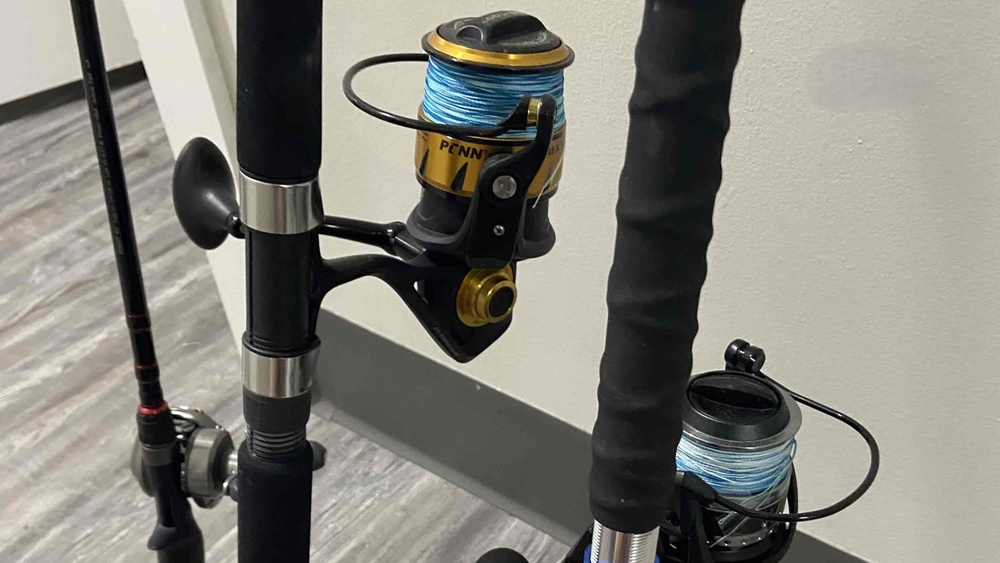
Spinning reel seats are designed specifically for spinning reels. These seats are usually located underneath the rod. This design allows for better balance and control. Spinning reel seats often feature cushioned hoods. These hoods protect the reel foot and enhance comfort. They are ideal for many saltwater fishing scenarios.
- Perfect for light to medium tackle
- Easy to use for beginners
- Good for casting over long distances
Baitcasting Reel Seats
Baitcasting reel seats are designed for baitcasting reels. These seats are located on top of the rod. This setup offers more control and precision. Baitcasting reel seats often have exposed blank sections. This feature provides better sensitivity to bites. They are suitable for experienced anglers targeting larger fish.
- Ideal for heavy tackle
- Offers greater accuracy
- Better for targeting specific fish species
| Feature | Spinning Reel Seats | Baitcasting Reel Seats |
|---|---|---|
| Location | Underneath the rod | On top of the rod |
| Control | Good balance and control | More control and precision |
| Comfort | Cushioned hoods | Exposed blank sections |
| Usage | Light to medium tackle | Heavy tackle |
Budget Considerations
Choosing the right fishing rod for saltwater can be tricky. Your budget plays a big role in this decision. Let’s explore affordable and premium options to help you make an informed choice.
Affordable Options
If you’re on a tight budget, don’t worry. Many good fishing rods won’t break the bank. Here are some affordable options to consider:
- Fiberglass Rods: Durable and flexible. Perfect for beginners.
- Graphite Composite Rods: Lightweight and sensitive. Good for catching smaller fish.
- Rod and Reel Combos: These sets offer great value. Ideal for casual anglers.
You can find these rods in most sporting goods stores. They usually cost between $20 and $100. Remember, an affordable rod can still be a great performer if you choose wisely.
Premium Options
If you’re willing to spend more, premium fishing rods offer many benefits. These rods use high-quality materials and advanced technology. Here are some premium options to consider:
- High-End Graphite Rods: Extremely lightweight and sensitive. Perfect for experienced anglers.
- Carbon Fiber Rods: Strong, light, and very durable. Great for deep-sea fishing.
- Custom-Built Rods: Tailored to your specific needs. Offers the best performance.
Premium rods can cost anywhere from $100 to over $500. They provide excellent performance and can last for many years. If you fish often, investing in a premium rod may be worth it.
Maintenance Tips
Proper maintenance of your saltwater fishing rod ensures it remains in excellent condition. Below are some essential tips to keep your rod in top shape. Follow these practices to extend its lifespan and maintain its performance.
Cleaning Rods
Cleaning your fishing rod after each use is crucial. Saltwater can be harsh and corrosive. Rinse the rod with freshwater after every fishing trip. Pay attention to the guides and the reel seat. These parts often accumulate salt and debris.
- Use a soft cloth to wipe the rod.
- Avoid using harsh chemicals or abrasive materials.
- Dry the rod completely before storing.
Storing Rods
Proper storage is essential to prevent damage. Store your rod in a cool, dry place. Avoid areas with high humidity. Use a rod holder or rack to keep it off the ground.
Here are some additional tips for storing your rod:
- Loosen the drag on the reel to reduce tension.
- Keep the rod in a protective cover or case.
- Avoid leaning the rod against walls to prevent bending.
| Maintenance Task | Frequency | Tools Needed |
|---|---|---|
| Rinse with freshwater | After each use | Soft cloth, freshwater |
| Inspect for damage | Monthly | Magnifying glass |
| Store in a dry place | Always | Rod holder, protective cover |
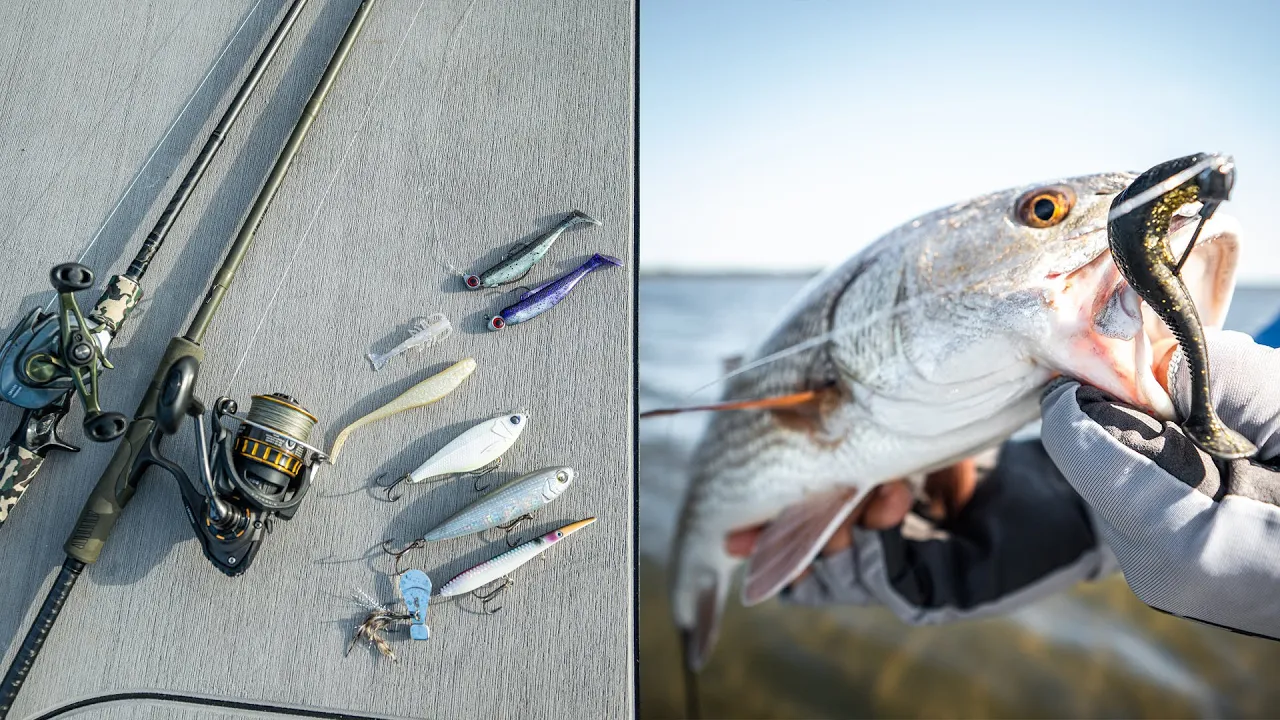
Credit: www.wired2fish.com
Frequently Asked Questions
What Type Of Rod Is Best For Saltwater Fishing?
A medium-heavy to heavy rod with a fast action is best for saltwater fishing. Look for corrosion-resistant materials.
Can You Use Any Rod For Saltwater Fishing?
No, you can’t use any rod for saltwater fishing. Saltwater rods are corrosion-resistant and designed to handle larger fish.
What Kind Of Pole Do I Need For Saltwater Fishing?
Use a sturdy, corrosion-resistant rod designed for saltwater. Opt for a medium to heavy action rod, around 7-10 feet long.
What Weight Rod For Saltwater Fishing?
For saltwater fishing, use a rod rated between 20 and 50 pounds. Choose a heavier rod for larger fish species.
Conclusion
Choosing the right saltwater fishing rod is crucial for a successful fishing experience. Consider factors like rod material, length, and power to match your fishing style. Research and investment in the right rod can make all the difference. Happy fishing!

I’m the owner of TroutMate and a passionate fishing enthusiast. I share hands-on guides, gear reviews, and practical tips for freshwater, saltwater, and kayak fishing. My mission is to help anglers of all levels catch more fish, explore new locations, and enjoy every trip on the water.