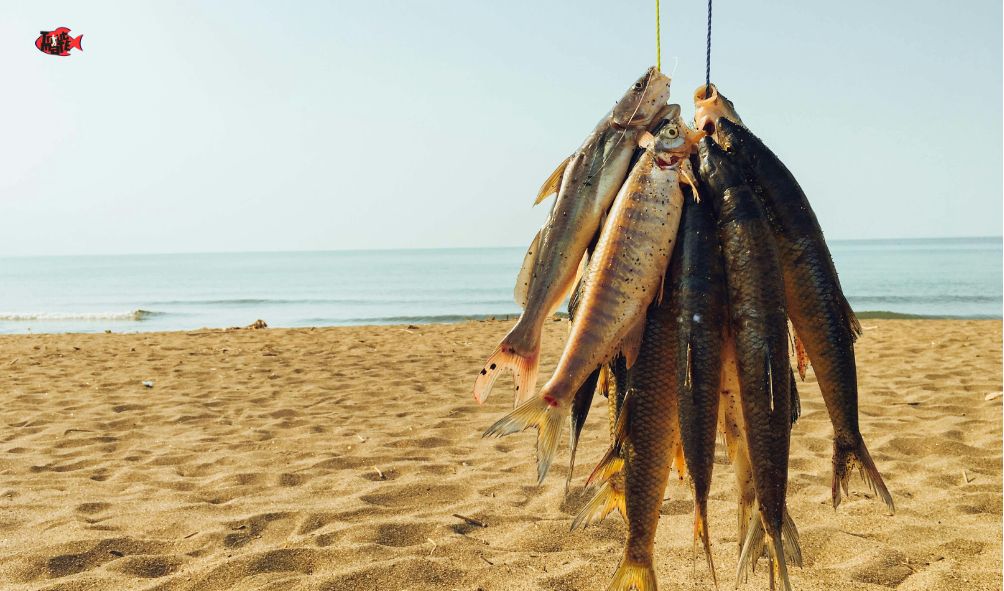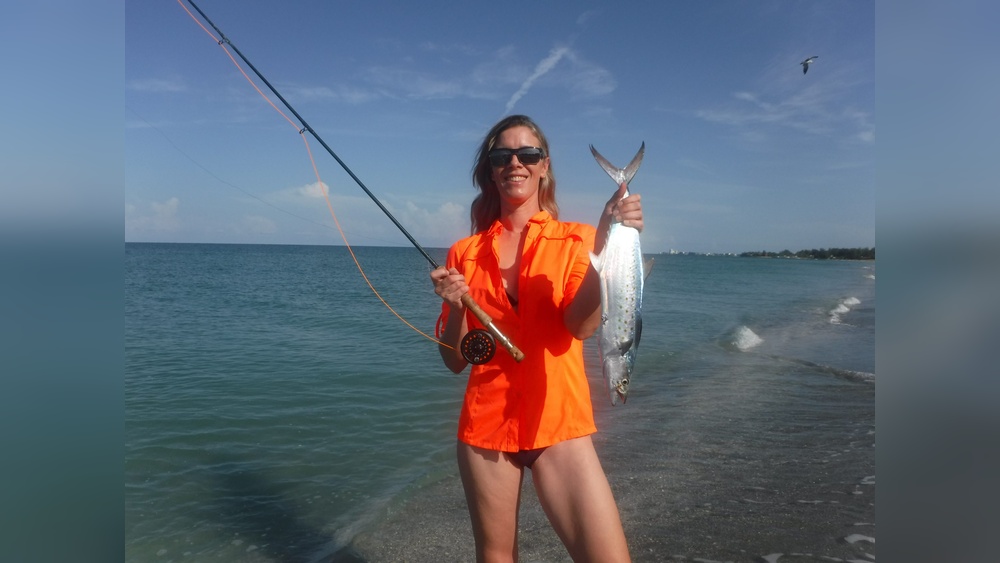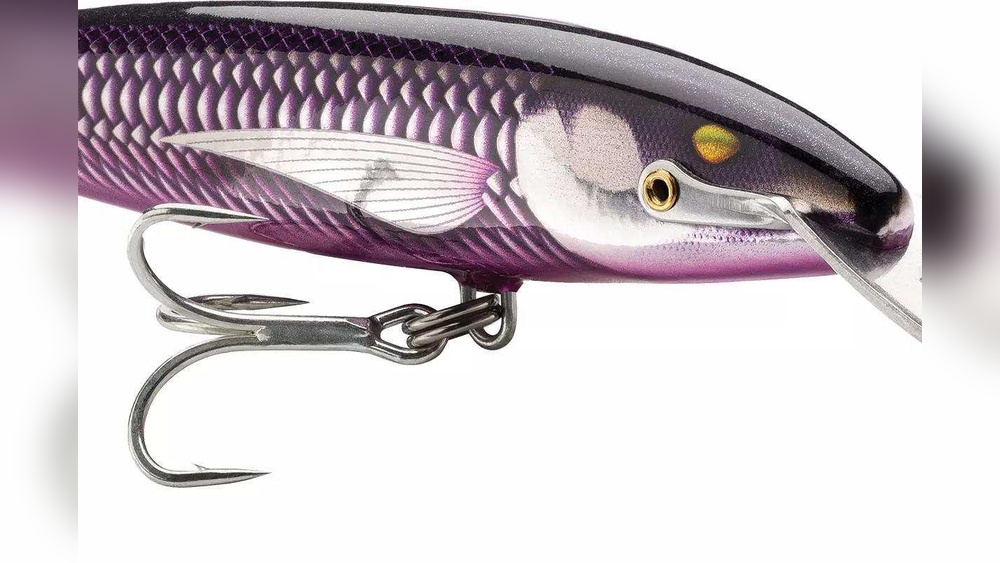
Yes, lures are effective for saltwater fishing. They attract a variety of saltwater species and can be highly productive.
Saltwater fishing lures mimic the appearance and movement of baitfish, crustaceans, and other prey. Anglers use different types of lures, such as jigs, plugs, and spoons, to target specific fish species. Lures can be more durable and reusable compared to live bait, making them a cost-effective option.
They also allow for more precise control and versatility in various fishing conditions. Properly selecting and using lures can enhance the chances of a successful catch. By understanding the behavior of the target fish and the environment, anglers can optimize their lure choice for maximum effectiveness in saltwater fishing.
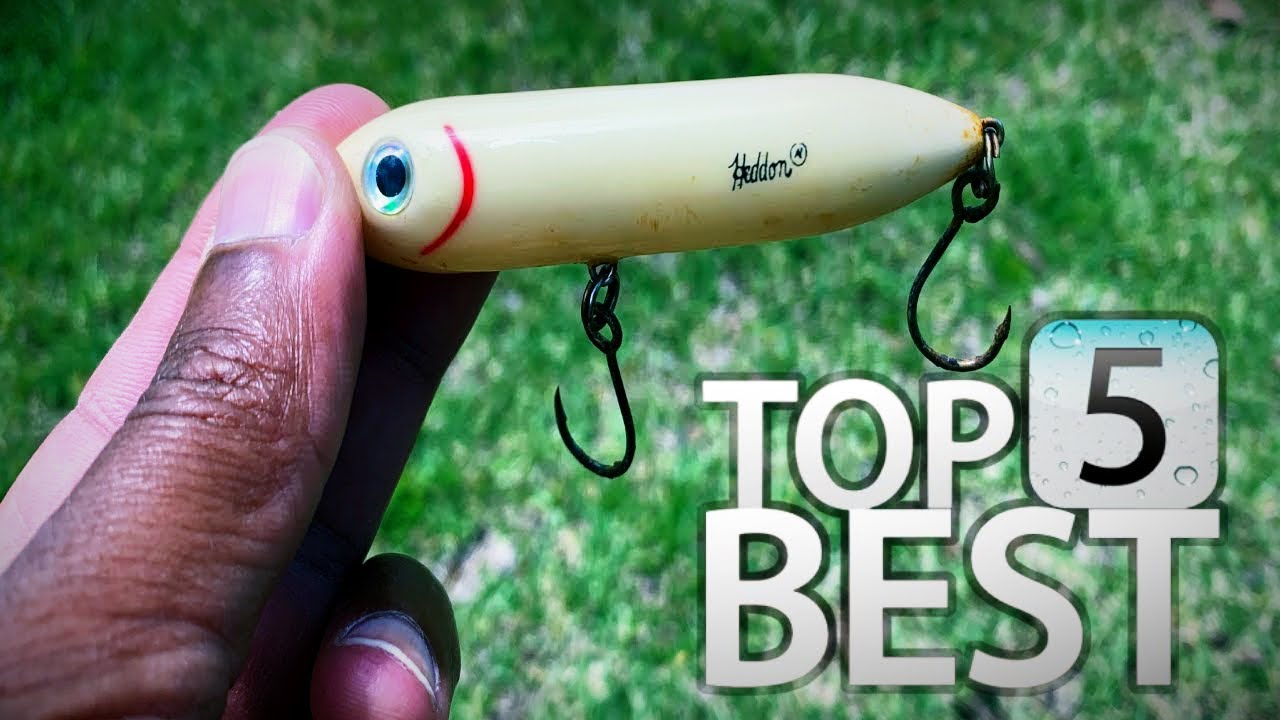
Credit: www.youtube.com
Introduction To Saltwater Fishing Lures
Saltwater fishing can be exciting and rewarding. One essential tool is the fishing lure. Lures mimic the movements of prey. They attract fish and make them bite. Let’s dive into the importance of lures and explore the types of saltwater lures available.
Importance Of Lures
Fishing lures are crucial for catching fish. They simulate the appearance of bait fish. Lures can reach depths where live bait can’t go. They are reusable and durable. Using lures increases your chances of a successful catch.
Types Of Saltwater Lures
There are various types of saltwater lures. Each type has its unique features. Here are some common lures:
- Jigs: Great for bottom-dwelling fish. They have a weighted head and a hook.
- Spoons: They mimic the movement of small fish. Spoons have a shiny, curved design.
- Soft Plastics: These are flexible and lifelike. They are effective for many species.
- Plugs: They float or dive depending on design. Plugs have a hard body.
- Spinnerbaits: They have a spinning blade. Spinnerbaits create vibrations to attract fish.
| Lure Type | Best For | Features |
|---|---|---|
| Jigs | Bottom-dwellers | Weighted head, single hook |
| Spoons | Surface fish | Shiny, curved design |
| Soft Plastics | Versatile | Flexible, lifelike |
| Plugs | Various depths | Hard body, floating/diving |
| Spinnerbaits | Attracting attention | Spinning blade, vibrations |
Choosing The Right Lure
Choosing the right lure can make or break your saltwater fishing trip. The correct lure attracts the fish you want. It also saves you time and frustration.
Matching The Hatch
Matching the hatch means using lures that resemble local baitfish. Fish are more likely to bite if the lure looks familiar.
| Fish Species | Common Baitfish | Suggested Lure |
|---|---|---|
| Striped Bass | Shad | Shad Imitation Lures |
| Redfish | Mullet | Mullet Imitation Lures |
| Flounder | Small Crabs | Crab Imitation Lures |
Considering Water Conditions
Water conditions greatly affect lure choice. Clear water requires natural colors. Murky water needs bright, flashy lures.
- Clear Water: Use natural colors like silver or green.
- Murky Water: Use bright colors like chartreuse or orange.
Also, consider the water depth. Shallow water lures differ from deep water lures. For shallow water, use topwater lures. For deep water, use diving lures.
- Shallow Water: Topwater lures create surface action.
- Deep Water: Diving lures reach fish at greater depths.
Wind and current also play roles. Strong currents need heavier lures. Calm water allows for lighter, more delicate lures.
Popular Types Of Saltwater Lures
Choosing the right lure can make or break your fishing trip. Saltwater lures come in various shapes and sizes. Each type targets different fish and water conditions. Let’s dive into some popular options.
Jigs
Jigs are versatile and effective for many saltwater species. They consist of a weighted head and a hook. You can use them in deep or shallow waters.
Jigs are especially good for bottom-dwelling fish like snapper and grouper. They mimic small baitfish, appealing to a wide range of predators.
| Feature | Benefit |
|---|---|
| Weighted Head | Helps reach deep waters |
| Hook | Catches a variety of fish |
| Mimics Baitfish | Attracts predators |
Soft Plastics
Soft plastics are another favorite for saltwater anglers. These lures are flexible and come in many shapes and colors. They mimic the look and movement of live bait.
- Paddle tails: Great for imitating small fish.
- Grubs: Excellent for various fish types.
- Shrimp imitations: Perfect for attracting redfish and trout.
Topwater Lures
Topwater lures create excitement on the water’s surface. They are ideal for catching aggressive fish. You cast them out and retrieve them quickly.
These lures make splashes and noises, drawing fish from below. They are excellent for targeting species like tarpon and sea bass.
Metal Spoons
Metal spoons are durable and effective. They have a shiny, reflective surface that attracts fish. You can use them in various water conditions.
Spoons are great for long casting distances. They are perfect for catching mackerel, bluefish, and striped bass.
- Reflective Surface: Attracts fish with flashes of light.
- Long Casting: Reach distant targets easily.
- Durable Material: Lasts through many fishing trips.
Techniques For Using Lures
Using lures for saltwater fishing can be highly effective. To maximize your success, mastering specific techniques is crucial. Below, you’ll find some helpful tips on casting and retrieving techniques that can enhance your fishing experience.
Casting Tips
Effective casting ensures your lure reaches the desired spot. Here are some essential casting tips:
- Always check the wind direction before casting.
- Use a smooth, continuous motion for longer casts.
- Keep your eye on the target area.
- Practice different angles to find the best technique.
For beginners, practicing in an open area can be helpful. This way, you can develop your skills without obstacles.
Retrieving Techniques
Retrieving lures correctly can attract more fish. Here are some methods:
- Slow Roll: Retrieve the lure slowly and steadily. This technique works well for many fish species.
- Stop-and-Go: Reel in the lure, then pause. This imitates a wounded fish, attracting predators.
- Jerking: Give the rod a quick jerk while retrieving. This makes the lure appear more lively.
Experiment with these techniques to see what works best for you. Different fish may respond better to different retrieval styles.
Targeting Specific Species
Using lures for saltwater fishing can be very effective. Different species respond to different lures. Knowing which lure to use can improve your catch rate. Here, we’ll discuss the best lures for Redfish, Sea Trout, and Flounder.
Lures For Redfish
Redfish are strong fighters. They love to bite on certain lures. Paddle tail soft plastics are a favorite. They mimic the motion of small fish. Redfish find them irresistible.
- Gold spoons: These reflect light well. They catch the eye of Redfish.
- Topwater plugs: Great for shallow waters. They create splashes Redfish can’t ignore.
- Soft plastic shrimp: Effective in both clear and murky water.
Lures For Sea Trout
Sea Trout are known for their sharp eyesight. They need realistic-looking lures. Suspending twitchbaits work wonders. They float mid-water, attracting hungry Sea Trout.
- Jerk baits: Mimic the darting action of baitfish. Sea Trout love the chase.
- Popping corks: These create noise and attract Sea Trout.
- Soft plastic grubs: Versatile and can be used with various rigs.
Lures For Flounder
Flounder are bottom dwellers. They prefer lures that stay near the seabed. Bucktail jigs are highly effective. They mimic small fish and shrimp, the Flounder’s favorite meals.
- Gulp baits: These have a strong scent. Flounder are attracted from afar.
- Mud minnows on jig heads: Natural bait with a touch of artificial. Very effective.
- Soft plastic flukes: Designed to mimic the movement of baitfish.
Seasonal Considerations
Seasonal considerations play a crucial role in saltwater fishing. Different seasons affect fish behavior and their feeding habits. Choosing the right lure depends on the time of year. Understanding seasonal changes can improve your fishing success significantly.
Spring And Summer
During spring and summer, the waters are warmer. Fish are more active and aggressive. These seasons are perfect for using lures that mimic smaller fish.
- Topwater lures work well in the early morning and late evening.
- Soft plastics are effective throughout the day.
- Jerkbaits can attract predatory fish.
Fish often swim near the surface in spring and summer. They hunt for food actively. Therefore, colorful lures can draw their attention.
Fall And Winter
During fall and winter, the water temperature drops. Fish become less active and tend to stay in deeper waters. Your lure choice should reflect these changes.
- Jigs are effective in deeper waters.
- Slow-sinking lures can attract sluggish fish.
- Metal spoons work well in cold water.
In fall and winter, fish prefer slower movements. Choose lures that can mimic this behavior. Focus on deeper areas for better results.
Expert Tips For Success
Saltwater fishing with lures can be rewarding if you know the right techniques. Expert tips can dramatically increase your success. This section will provide insights from pro anglers and highlight common mistakes to avoid.
Pro Angler Insights
Professional anglers have years of experience in saltwater fishing. Here are some of their best tips:
- Choose the Right Lure: Different fish prefer different lures. Use metal spoons for mackerel and plastic jigs for snook.
- Understand the Tides: Fish are more active during specific tidal movements. Plan your fishing trips during rising or falling tides.
- Use Live Bait: Combine lures with live bait for better results. This attracts more fish.
- Vary Your Retrieval Speed: Experiment with different speeds. Some fish prefer fast retrievals, while others like it slow.
Common Mistakes To Avoid
Avoid these common mistakes to improve your saltwater fishing experience:
| Mistake | Explanation |
|---|---|
| Using Freshwater Lures | Freshwater lures may not withstand saltwater conditions. Always use lures designed for saltwater. |
| Ignoring Weather Conditions | Weather affects fish behavior. Check weather forecasts before planning your trip. |
| Wrong Fishing Line | Using a weak line can lead to lost fish. Use a strong, saltwater-resistant line. |
| Not Changing Lures | Fish can become wary of the same lure. Switch lures if you’re not getting bites. |
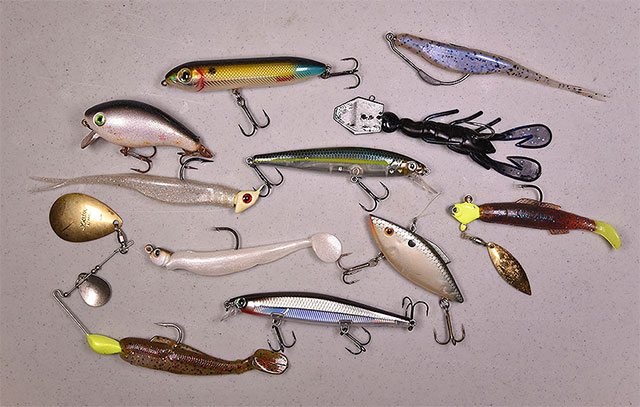
Credit: www.gameandfishmag.com
Environmental Impact
Saltwater fishing is a popular activity among anglers worldwide. Yet, it’s essential to understand the environmental impact of using lures. This section explores sustainable practices and alternatives to traditional lures.
Sustainable Practices
Using eco-friendly lures can significantly reduce environmental harm. Choose biodegradable materials that break down naturally in water. This helps protect marine life and habitats.
Consider practicing catch and release. This method ensures fish populations remain healthy. Always use barbless hooks to minimize fish injuries.
Follow local regulations and fishing guidelines. These rules help maintain a balanced ecosystem. Be sure to clean up after your fishing trips. Dispose of any waste or discarded lures properly.
Alternatives To Traditional Lures
Traditional lures often contain harmful chemicals. These can negatively affect marine environments. Consider these alternatives for more sustainable fishing:
- Natural Bait: Use live or dead bait like shrimp and squid. They are less harmful and more effective in attracting fish.
- Artificial Flies: Made from non-toxic materials, artificial flies are a great substitute. They are designed to mimic the appearance of small fish or insects.
- Reusable Lures: Opt for lures that can be used multiple times. This reduces waste and environmental damage.
Experiment with different types to see what works best. Always prioritize the health of the marine ecosystem.
Frequently Asked Questions
Do Fishing Lures Work In Saltwater?
Yes, fishing lures work in saltwater. Choose lures designed for saltwater conditions. Metal, plastic, and soft baits are effective.
Is It Better To Fish With Bait Or Lures?
Both bait and lures have their benefits. Bait attracts more fish naturally. Lures are reusable and target specific fish. Choose based on preference and fishing conditions.
Can You Use Lures For Sea Fishing?
Yes, lures can be used for sea fishing. They attract various species like mackerel, bass, and tuna. Lures mimic the movement of prey, making them effective for catching fish in saltwater environments.
Do Lures Work For Beach Fishing?
Yes, lures work for beach fishing. They attract fish by mimicking prey. Use metal spoons, soft plastics, or topwater lures.
Conclusion
Lures can be highly effective for saltwater fishing. They attract a variety of fish species and offer versatility. With the right lure, anglers can enjoy a successful fishing trip. Experiment with different types and techniques to find what works best for you.
Happy fishing!

I’m the owner of TroutMate and a passionate fishing enthusiast. I share hands-on guides, gear reviews, and practical tips for freshwater, saltwater, and kayak fishing. My mission is to help anglers of all levels catch more fish, explore new locations, and enjoy every trip on the water.