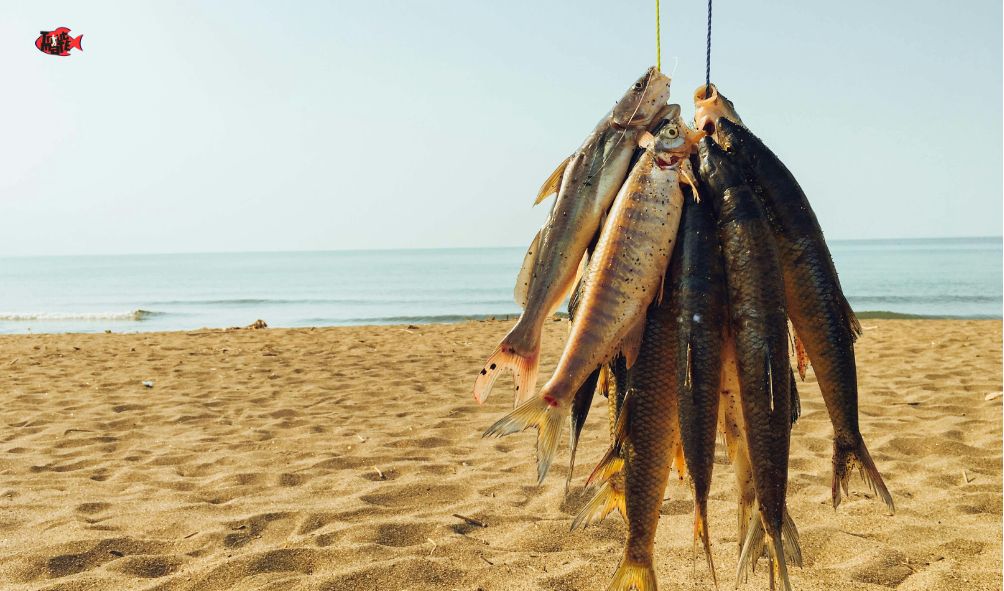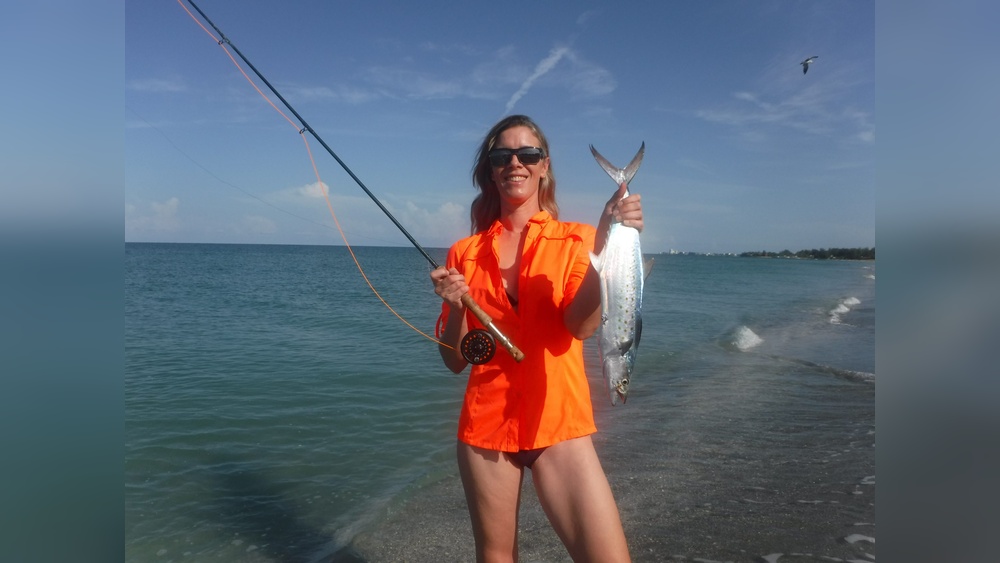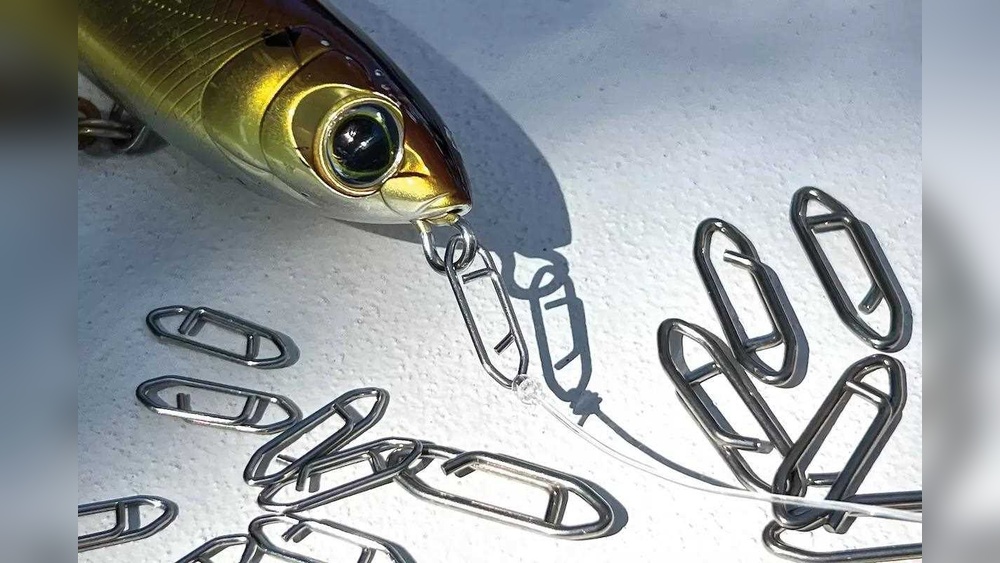
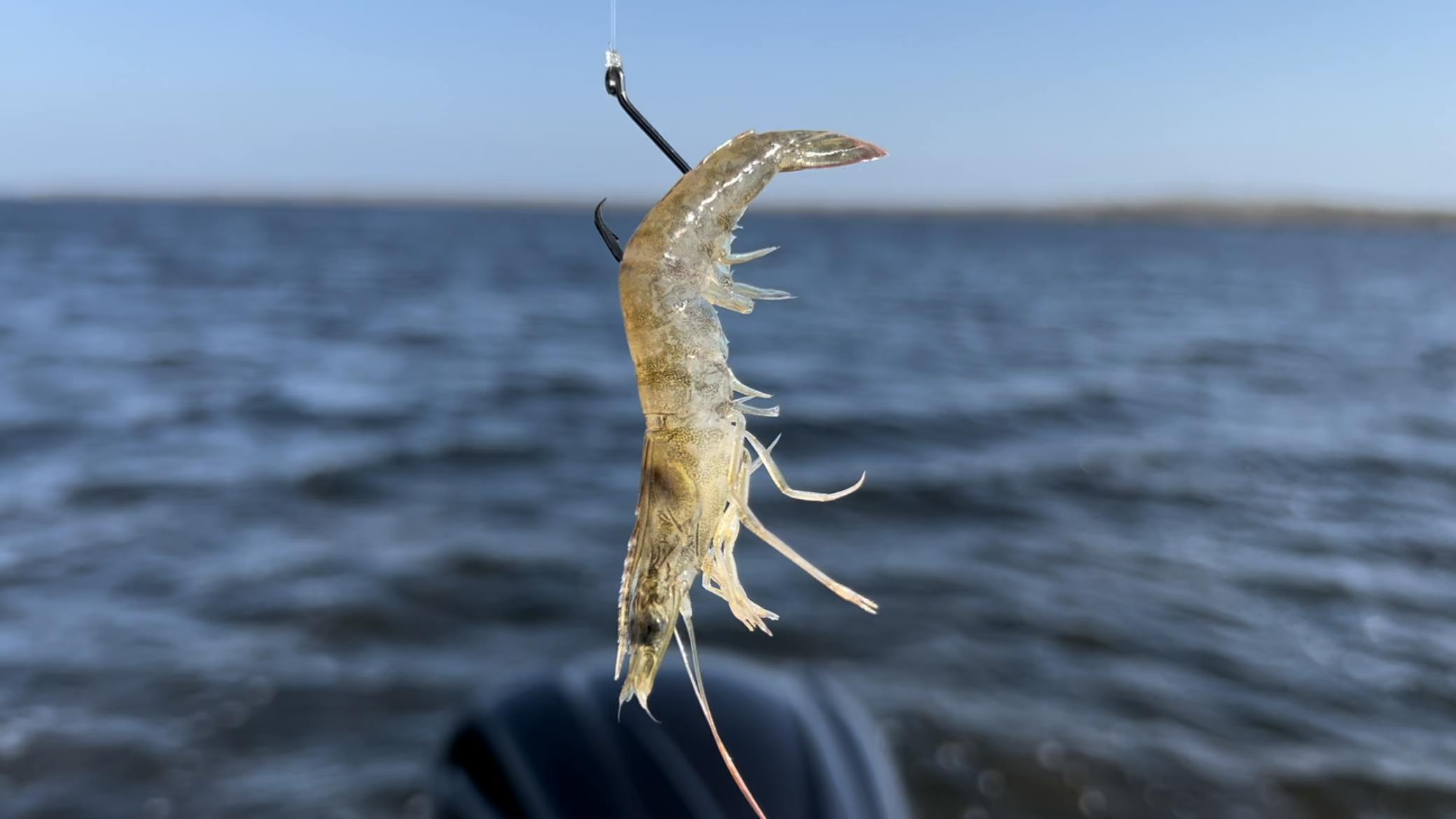
Live bait, like shrimp and cut bait, like squid, are the best baits for saltwater fish. These attract a variety of species.
Saltwater fishing demands the right bait to lure fish effectively. Live bait such as shrimp, crabs, and small fish often produce the best results due to their natural movements and scent. Cut bait like squid and fish chunks are also highly effective, particularly for larger predatory fish.
Using these baits increases your chances of a successful catch. Selecting the right bait depends on the target species and local conditions. Experimenting with different baits can help determine what works best in your fishing area. To maximize your saltwater fishing experience, always keep your bait fresh and lively.
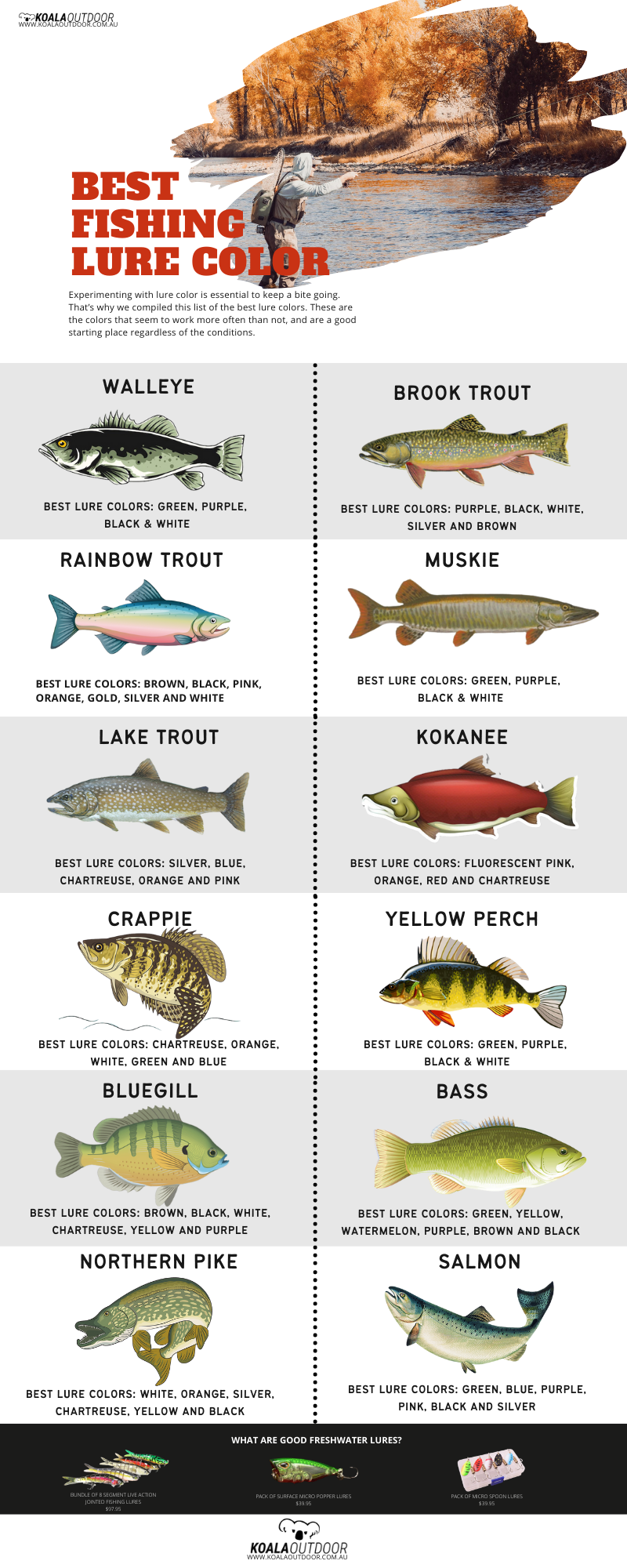
Credit: www.koalaoutdoor.com.au
Types Of Saltwater Fish
Saltwater fishing offers a variety of fish species. Each species has unique characteristics and bait preferences. Knowing the types of saltwater fish can improve your fishing experience.
Popular Species
There are many popular species of saltwater fish. Here are a few:
- Redfish: Known for their strength and fight.
- Flounder: Recognizable by their flat bodies.
- Striped Bass: Highly sought after for sport fishing.
- Snook: Found in warm coastal waters.
- Tarpon: Famous for their acrobatic jumps.
Fishing Locations
Different fish species inhabit specific locations. Knowing these spots can increase your catch rate.
| Fish Species | Common Locations |
|---|---|
| Redfish | Estuaries, bays, and coastal marshes |
| Flounder | Nearshore waters, sandy bottoms |
| Striped Bass | Beaches, rocky shorelines, and rivers |
| Snook | Mangroves, bridges, and docks |
| Tarpon | Shallow flats, mangroves, and river mouths |
Credit: www.curated.com
Natural Baits
Choosing the right bait can make a huge difference in saltwater fishing. Natural baits are often the most effective. They mimic the food sources that fish are used to eating. This can increase your chances of a successful catch.
Live Bait Options
Live bait is incredibly effective for saltwater fish. Here are some popular options:
- Shrimp: Often used for a variety of saltwater fish species.
- Minnows: Great for attracting larger predatory fish.
- Crabs: Effective for catching fish that hunt near the ocean floor.
Live bait can be purchased from bait shops or caught yourself. Make sure to keep the bait alive and fresh for best results.
Frozen Bait Choices
Frozen baits are convenient and still very effective. Here are some popular choices:
- Squid: Versatile and can be cut into various sizes.
- Sardines: Great for larger fish like tuna and marlin.
- Clams: Often used for bottom-dwelling fish species.
Frozen bait can be stored longer and is easy to transport. Thaw the bait properly before use to ensure it attracts fish effectively.
| Type of Bait | Best For |
|---|---|
| Live Shrimp | Variety of saltwater fish |
| Frozen Squid | Versatile, cut into various sizes |
| Live Minnows | Large predatory fish |
| Frozen Sardines | Large fish like tuna |
Artificial Lures
Artificial lures are a popular choice for many saltwater anglers. These synthetic baits mimic the movement and appearance of real fish. They are designed to attract various types of saltwater fish. The right lure can make your fishing trip successful. Let’s dive into the different types of artificial lures.
Soft Plastics
Soft plastics are flexible and lifelike. They are made from soft materials that mimic real prey. These lures come in many shapes and colors. Fish find them irresistible.
Here are some common types of soft plastics:
- Grubs: These are small and wriggly. Perfect for attracting smaller fish.
- Shad: Shaped like small baitfish. Great for catching larger predators.
- Worms: Long and slender. Ideal for bottom-feeding fish.
Hard Baits
Hard baits are made from tougher materials. They are durable and long-lasting. These lures are perfect for aggressive fish. They come in various designs to mimic different prey.
Here are some popular hard baits:
| Type | Description |
|---|---|
| Crankbaits | These have a lip that makes them dive. They mimic injured fish. |
| Topwater Lures | These float on the surface. They mimic splashing prey. |
| Jerkbaits | These have a twitching motion. They look like distressed fish. |
Choosing the right artificial lure depends on the fish you are targeting. Both soft plastics and hard baits have their strengths. Experiment to find the best lure for your fishing needs.
Matching Bait To Fish
Finding the best bait for saltwater fish starts with matching bait to fish. Different fish have different preferences, and understanding these can enhance your fishing success. This section will guide you through the essentials of matching bait to fish, ensuring you attract your target species effectively.
Predator Preferences
Predatory fish are drawn to specific baits. Here are some common pairings:
- Striped Bass: Live eels, clams, and sandworms.
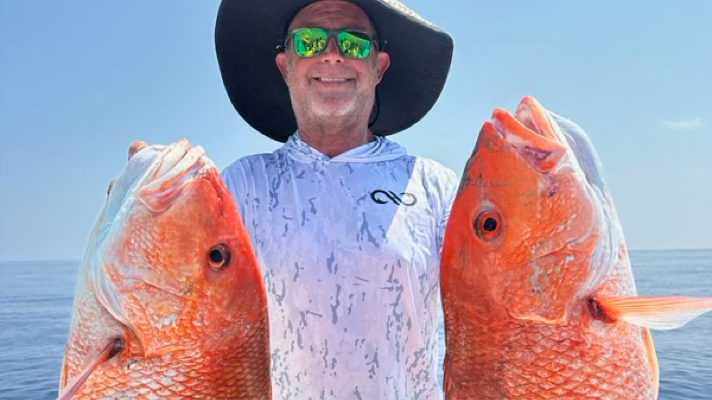
- Redfish: Crabs, shrimp, and mullet.
- Snapper: Pinfish, squid, and sardines.
These choices mimic the natural diet of these predators. Using their preferred bait increases the chances of a successful catch.
Seasonal Variations
Fish behavior and bait effectiveness change with seasons. Here’s a breakdown:
| Season | Preferred Bait | Target Fish |
|---|---|---|
| Spring | Squid, Shrimp | Flounder, Bluefish |
| Summer | Pilchards, Mullet | Tarpon, Kingfish |
| Fall | Crabs, Sandworms | Striped Bass, Redfish |
| Winter | Clams, Cut Bait | Cod, Blackfish |
Adapting your bait to the season helps match the fish’s feeding patterns. This increases your chances of catching your desired fish.
Bait Presentation Techniques
Bait presentation is crucial in saltwater fishing. The way you present bait can make or break your fishing trip. Different techniques work for different fish species and conditions. Here, we will discuss some of the most effective bait presentation techniques.
Casting Methods
Casting methods are essential for reaching distant fish. There are various casting techniques to master.
- Overhead Cast: This is the most common method. It allows for long and accurate casts.
- Sidearm Cast: Useful for casting under obstacles like docks and trees.
- Flip Cast: Effective for short distances and precise placement.
Each method has its own advantages. Choose the right one for your situation. Practicing these methods will improve your casting accuracy.
Drift Fishing
Drift fishing involves letting your bait drift with the current. This technique is effective in various conditions. It mimics natural prey movement.
| Advantages | Disadvantages |
|---|---|
| Covers large areas | Requires boat control |
| Mimics natural prey | Can be affected by strong currents |
Drift fishing is suitable for targeting a variety of fish. Use this technique to explore new fishing spots. Ensure your bait drifts naturally to attract fish.
Credit: www.hook360.com
Expert Recommendations
Choosing the best bait for saltwater fish can seem daunting. With expert recommendations, you can make an informed decision. Read on to discover what the pros suggest for your next fishing adventure.
Pro Angler Tips
Experienced anglers often have tried-and-true methods. Here are some top tips:
- Live Bait: Shrimp, minnows, and crabs attract a wide variety of fish.
- Cut Bait: Fish chunks, especially mackerel and squid, work well.
- Artificial Lures: Use soft plastics or metal jigs for predatory fish.
Understanding the habits of your target fish helps. Fish early morning or late afternoon for the best results.
Common Mistakes
Many beginners make errors that can be avoided. Here are some common mistakes:
- Wrong Bait Size: Use bait that matches the fish’s mouth size.
- Ignoring Water Conditions: Saltwater fish are sensitive to temperature and salinity.
- Overlooking Seasonal Changes: Fish behavior changes with the seasons.
Another mistake is not using enough weight. This helps to keep the bait at the right depth. Lastly, forgetting to check your gear can ruin a fishing trip.
Use this guide to avoid common pitfalls and improve your fishing success.
Environmental Factors
Understanding environmental factors is crucial for successful saltwater fishing. Knowing the right bait depends on various environmental aspects. Two key factors are water temperature and tide influence.
Water Temperature
Water temperature affects fish behavior and feeding patterns. Fish are cold-blooded and their activity changes with water temperature. Here are some tips:
- In cold water, fish are less active and feed less.
- In warm water, fish are more active and feed more.
- Check local reports for water temperature data.
Using a thermometer can help you measure water temperature. Adjust your bait choice based on the temperature. For instance, use live bait in warmer waters. In cooler waters, use slow-moving lures.
Tide Influence
Tides play a significant role in saltwater fishing. Fish move with the tides to feed and seek shelter. Here are some essential points:
| Tide Condition | Fishing Strategy |
|---|---|
| Incoming Tide | Fish are closer to shore. Use live bait. |
| Outgoing Tide | Fish move offshore. Use cut bait or lures. |
Understanding the tide schedule can improve your fishing success. Use tide charts and fishing apps to plan your trips. Adjust your bait based on the tide’s movement.
Bait Storage And Handling
Proper bait storage and handling can make or break your fishing trip. Keeping bait fresh ensures you attract more fish. Let’s explore the best methods and tips for storing and handling bait.
Preservation Methods
Using the right preservation methods keeps your bait in top condition. There are several ways to preserve your bait:
- Refrigeration: Keep bait cool to slow down decay.
- Freezing: Freeze bait for long-term storage.
- Salting: Salt bait to remove moisture and extend its life.
Each method has its advantages. Refrigeration is good for short-term use. Freezing is best for extended periods. Salting works well for preserving bait without electricity.
Transport Tips
Transporting bait properly ensures it stays fresh during your trip. Follow these tips for the best results:
- Use Insulated Coolers: Keep bait cool with ice packs.
- Minimize Sun Exposure: Keep bait out of direct sunlight.
- Separate Bait Types: Store different baits in separate containers.
An insulated cooler with ice packs is crucial. It maintains the bait’s freshness. Avoid leaving bait in the sun. Separate containers prevent cross-contamination.
Frequently Asked Questions
What Is The Best Bait For Saltwater Fishing?
Live bait like shrimp, mullet, and pinfish works best for saltwater fishing. Artificial lures also attract various species.
What Is The Easiest Way To Catch Saltwater Fish?
Use live bait like shrimp or small fish. Fish during early morning or late evening. Cast near structures like piers or rocks. Use a medium-weight rod and reel. Patience and persistence are key.
What Are Saltwater Fish Attracted To?
Saltwater fish are attracted to bright colors, shiny objects, and movement. They also respond to specific scents and vibrations.
What’s The Best Bait To Use For Sea Fishing?
The best bait for sea fishing includes squid, mackerel, and shrimp. Live bait like sandworms and bloodworms also work well. Fresh bait generally attracts more fish.
Conclusion
Choosing the best bait for saltwater fish enhances your fishing success. Experiment with different baits to find your favorite. Whether using live bait or artificial lures, consider the fish species and water conditions. Happy fishing, and may your next catch be your best one yet!

I’m the owner of TroutMate and a passionate fishing enthusiast. I share hands-on guides, gear reviews, and practical tips for freshwater, saltwater, and kayak fishing. My mission is to help anglers of all levels catch more fish, explore new locations, and enjoy every trip on the water.