Circle hooks, J-hooks, and treble hooks are ideal for saltwater fishing. Each offers unique benefits depending on the target species.
Saltwater fishing requires specialized gear to handle the harsh environment and larger fish species. Choosing the right hook is crucial to success. Circle hooks are popular for their ability to reduce gut-hooking, making catch-and-release easier. J-hooks are versatile and effective for various bait types and fishing techniques.
Treble hooks, with their three prongs, provide a higher chance of successful hookups, especially for aggressive fish. Understanding the strengths of each hook type helps anglers make informed decisions, enhancing their overall fishing experience. Whether targeting small inshore species or large offshore game fish, the right hook ensures better results.
Choosing The Right Hooks
Choosing the right hooks is crucial for successful saltwater fishing. Different hooks suit different fish and bait. Your choices impact your catch rate and fishing experience.
Hook Materials
Hook materials matter in saltwater fishing. They affect durability and performance.
| Material | Benefits |
|---|---|
| Stainless Steel | Resistant to rust, long-lasting |
| Carbon Steel | Strong and sharp, but needs maintenance |
| High-Carbon Steel | Combines strength and resistance, good for big fish |
Hook Sizes
Hook sizes vary based on the target fish. Smaller hooks catch smaller fish, while larger hooks are for bigger fish.
- Size 6 to 10: Good for small fish like mackerel and sardines.
- Size 2 to 4: Ideal for medium fish like snapper and sea bass.
- Size 1/0 to 3/0: Perfect for large fish like grouper and tarpon.
Choosing the right hook size ensures better bait presentation. It also increases your chances of a successful catch.
Circle Hooks
Circle hooks have gained popularity among saltwater anglers. Their unique design improves catch rates and reduces fish injury. Understanding how to use them can make your fishing experience more rewarding.
Advantages Of Circle Hooks
Circle hooks offer several advantages for saltwater fishing:
- Higher Hook-up Rate: The curved shape improves catch success.
- Less Fish Injury: Hooks the fish in the corner of the mouth.
- Ease of Use: Simple to use, especially for beginners.
- Conservation Friendly: Helps in catch-and-release fishing.
These advantages make circle hooks a preferred choice for many anglers.
Best Practices
To maximize the effectiveness of circle hooks, follow these best practices:
- Choose the Right Size: Match hook size to the target species.
- Use Proper Bait: Hook the bait naturally to ensure a good presentation.
- Avoid Setting the Hook: Allow the fish to hook itself by swimming away.
- Keep Line Tension: Maintain steady tension to ensure a secure hook-up.
- Inspect Hooks Regularly: Check for damage or dullness before use.
Following these practices will improve your success with circle hooks.
| Hook Size | Target Species | Bait Type |
|---|---|---|
| 1/0 | Small Fish | Worms, Shrimp |
| 4/0 | Medium Fish | Squid, Small Fish |
| 8/0 | Large Fish | Large Baitfish, Cut Bait |
Using the correct hook size and bait type is crucial. This ensures better results and a more enjoyable fishing experience.
J-hooks
When saltwater fishing, the choice of hooks can greatly impact success. One popular option is the J-Hook, known for its distinct shape. This hook resembles the letter “J” and is highly effective for various saltwater species.
When To Use J-hooks
J-Hooks are versatile and suitable for many fishing scenarios. They are ideal for situations where the fish swallows the bait deeply. The shape ensures a strong hold, reducing the chance of losing your catch. Use J-Hooks when you expect aggressive fish that strike hard.
They are also perfect for fishing with live bait. The hook’s design keeps the bait lively and appealing. Another advantage is their efficiency in fast currents. The J-Hook’s sharp point can pierce through tough fish mouths, ensuring a solid hookset.
Target Species
J-Hooks are excellent for targeting a variety of saltwater species. Here’s a quick guide:
| Species | Hook Size |
|---|---|
| Striped Bass | 6/0 – 8/0 |
| Redfish | 4/0 – 6/0 |
| Snapper | 2/0 – 5/0 |
| Shark | 10/0 – 12/0 |
Use larger J-Hooks for bigger fish like sharks and smaller ones for species like snapper. The right hook size ensures better catches and less stress on the fish.
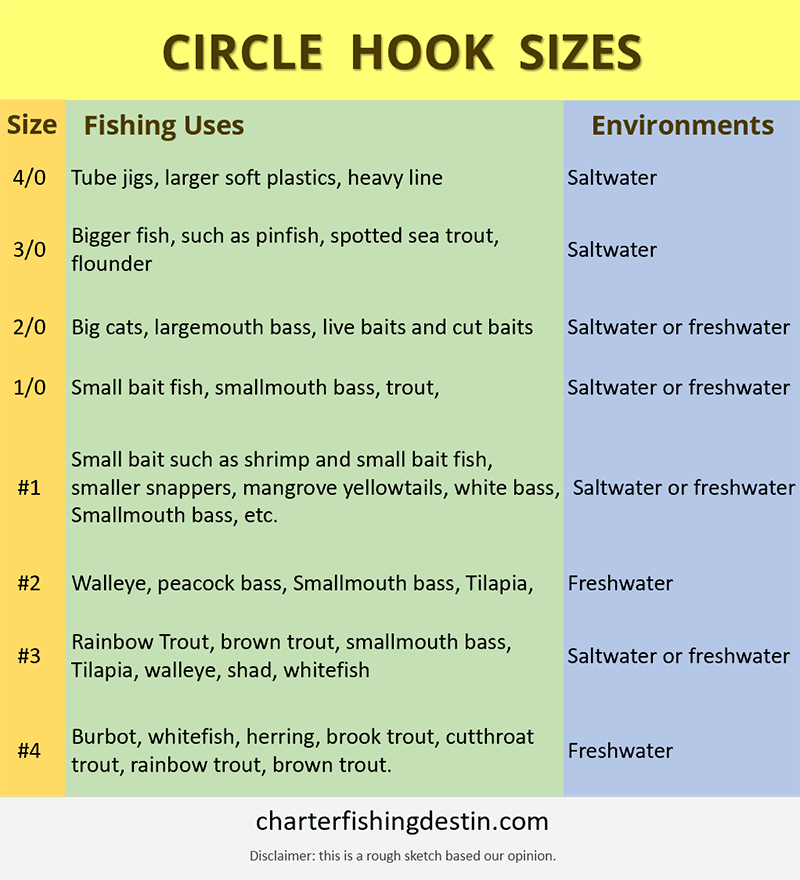
Credit: www.charterfishingdestin.com
Treble Hooks
Treble hooks are a staple in saltwater fishing. They feature three points which increase the chances of hooking a fish. Anglers often use them for their effectiveness and versatility. Treble hooks are commonly found on lures, making them a popular choice.
Situations For Treble Hooks
Treble hooks are perfect for topwater lures. They snag fish that strike aggressively. Use them for catching species like striped bass or bluefish. These fish often make sudden, powerful attacks. Treble hooks work well in murky waters. They increase the chance of a successful hookset.
Fishermen also use treble hooks for live bait rigs. This helps when targeting larger saltwater species. Think of groupers or snapper. These fish require a strong, reliable hook. Treble hooks offer that reliability.
Handling Tips
Always handle treble hooks with care. Their three sharp points can easily injure you. Use pliers to remove hooks from fish. This keeps your hands safe. Ensure your hooks are sharp. Dull hooks reduce the chance of a successful catch.
Check your hooks regularly for rust or damage. Saltwater can be harsh on equipment. Rinse your hooks after each use. Use freshwater to remove salt and debris. Store your hooks in a dry place. This prevents rusting and prolongs their life.
Use the right hook size for your target species. Larger fish need larger hooks. Smaller fish require smaller hooks. Match your treble hook to the fish you aim to catch.
Inline Hooks
Inline hooks are popular for saltwater fishing. They offer unique benefits that make them a great choice. Inline hooks are designed to improve your fishing experience.
Benefits Of Inline Hooks
Inline hooks have several benefits for saltwater fishing:
- Increased Hook-Up Ratio: Inline hooks improve the chance of hooking fish.
- Reduced Damage: They cause less harm to fish, making catch-and-release easier.
- Better Lure Action: Inline hooks allow for more natural lure movement.
- Enhanced Durability: Made from strong materials, they withstand harsh saltwater conditions.
Replacement Tips
Replacing inline hooks can extend the life of your lures. Follow these tips for a smooth replacement process:
- Choose the Right Size: Ensure the new hook matches the size of the original.
- Use Split Ring Pliers: These make it easy to remove and attach hooks.
- Check for Sharpness: Make sure the new hook is sharp for better performance.
- Secure the Hook: Ensure the hook is firmly attached to avoid losing fish.
Inline hooks are essential for saltwater fishing. They offer many advantages and are easy to replace. Follow these tips to enhance your fishing experience.

Credit: www.wikihow.fitness
Double Hooks
Double hooks are a popular choice for saltwater fishing. They offer increased chances of securing a catch. These hooks have two points, providing a better grip on the fish.
Double Hook Applications
Double hooks are versatile. You can use them in various fishing scenarios. They are ideal for large, aggressive fish. These hooks are commonly used for trolling and live bait fishing. They are excellent for securing bait firmly.
| Application | Details |
|---|---|
| Trolling | Great for moving bait through water. |
| Live Bait Fishing | Ensures bait remains secure on the hook. |
Rigging Techniques
Proper rigging is crucial for success. Follow these steps for effective rigging:
- Choose the right hook size for your bait.
- Insert the hook through the bait’s head.
- Ensure both points are exposed.
These steps help maximize your chances of a catch. Use strong, reliable knots to secure your hooks. The most popular knots include the Palomar knot and the Snell knot.
- Palomar Knot: Easy to tie and very strong.
- Snell Knot: Ideal for securing hooks to the line.
Practice these knots to improve your rigging skills. Well-rigged hooks increase your fishing success.
Hook Sharpening
Hook sharpening is vital for successful saltwater fishing. A sharp hook ensures better penetration and increases your catch rate. Maintaining hook sharpness can be done easily with the right tools and steps.
Tools Needed
- File: Use a fine-toothed metal file.
- Sharpening Stone: Opt for a medium grit stone.
- Magnifying Glass: Ensures precision sharpening.
- Safety Gloves: Protect your hands while working.
Sharpening Steps
- Inspect the Hook: Use a magnifying glass to check the current state.
- Secure the Hook: Hold it firmly with pliers or a clamp.
- File the Point: Stroke the file towards the point, maintaining the angle.
- Check Sharpness: Test the tip on your fingernail; it should catch easily.
- Use a Sharpening Stone: Finish with a few strokes on the stone for a smooth finish.
Hook Safety
Saltwater fishing can be thrilling and adventurous. But using hooks requires careful attention. Hook safety ensures a fun and injury-free experience. This section covers vital safety precautions and emergency measures.
Safety Precautions
- Always wear protective gloves to handle hooks.
- Use pliers to remove hooks from fish.
- Store hooks in a secure container when not in use.
- Inspect hooks for damage before each use.
- Keep hooks away from children and pets.
Emergency Measures
Despite precautions, accidents can happen. Knowing emergency measures helps.
- Stay calm if a hook pierces the skin.
- Do not pull the hook out forcefully.
- Cut the fishing line to reduce tension on the hook.
- Seek medical help if the hook is deeply embedded.
- Wash the wound with clean water and soap.
Here is a quick reference table for emergency measures:
| Action | Description |
|---|---|
| Stay Calm | Remain composed to avoid worsening the injury. |
| Cut the Line | Reduce tension to prevent further damage. |
| Seek Medical Help | Consult a doctor for deep or serious injuries. |
| Wash the Wound | Clean the area to prevent infection. |
Follow these tips for a safe and enjoyable saltwater fishing experience.
Frequently Asked Questions
What Size Hooks To Use For Saltwater Fishing?
Use 2/0 to 4/0 hooks for general saltwater fishing. For larger fish, consider 5/0 to 8/0 hooks. Match the hook size to your target species.
What Is The Best Rig For Saltwater Fishing?
The best rig for saltwater fishing is the fish finder rig. It is versatile, effective, and ideal for targeting various species.
What Is The Best Hook For Offshore Fishing?
The best hook for offshore fishing is a circle hook. It offers better catch rates and minimizes fish injury.
What Kind Of Hooks Are Used For Beach Fishing?
Circle hooks, J-hooks, and bait holder hooks are commonly used for beach fishing. Each type targets specific fish species.
Conclusion
Choosing the right hooks for saltwater fishing can greatly improve your catch rate. Experiment with different types to find your perfect match. Always consider the fish species and fishing conditions. With the right hook, you’ll enhance your fishing experience and success.
Happy fishing and tight lines!

I’m the owner of TroutMate and a passionate fishing enthusiast. I share hands-on guides, gear reviews, and practical tips for freshwater, saltwater, and kayak fishing. My mission is to help anglers of all levels catch more fish, explore new locations, and enjoy every trip on the water.