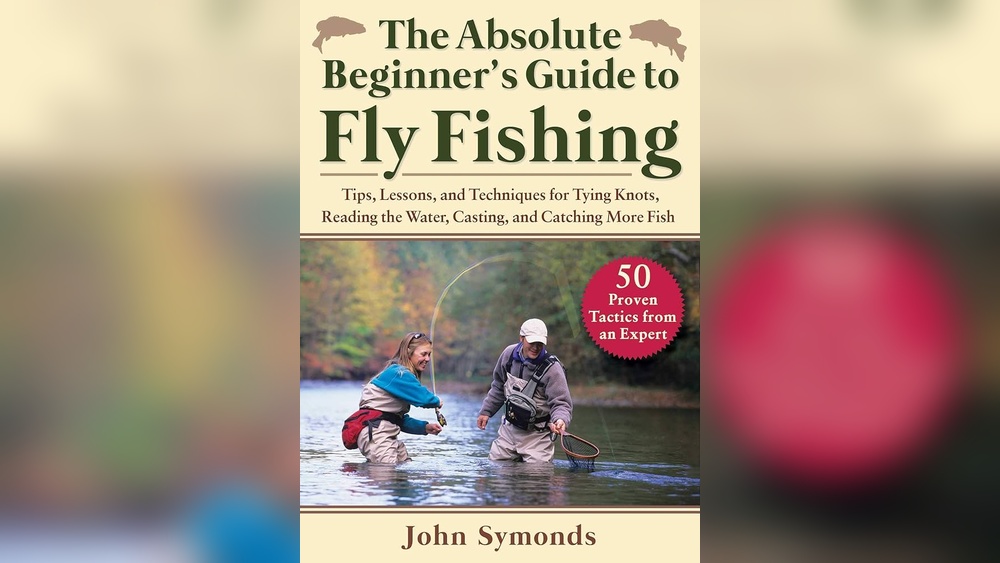
For trout fishing, you need a fishing rod and reel, bait or lures, and appropriate fishing line. Also, consider a fishing license.
Trout fishing is a popular pastime for many anglers. To get started, you need a reliable fishing rod and reel suited for trout. Use bait or lures that mimic the trout’s natural food sources. A sturdy fishing line is essential to handle the fish’s resistance.
Make sure to check local regulations and obtain a fishing license. This ensures you fish legally and sustainably. Familiarize yourself with the best fishing spots and times for trout in your area. With the right gear and preparation, trout fishing can be a rewarding and enjoyable experience.

Credit: m.youtube.com
Essential Fishing Rods
Choosing the right fishing rod is vital for a successful trout fishing trip. A good rod can make all the difference, helping you cast accurately and reel in your catch with ease. Below, we’ll explore two important aspects of selecting the perfect trout fishing rod: Choosing the Right Length and Recommended Rod Action.
Choosing The Right Length
The length of your fishing rod affects your casting distance and accuracy. For trout fishing, rods typically range from 6 to 8 feet. A shorter rod, around 6 feet, provides better control in tight spaces, such as small streams or rivers. On the other hand, a longer rod, close to 8 feet, is ideal for open waters, offering greater casting distance and better handling of larger fish.
Here’s a quick reference table to help you decide:
| Rod Length | Best For |
|---|---|
| 6 Feet | Small streams, precise casting |
| 7 Feet | Versatile, suitable for most conditions |
| 8 Feet | Open waters, long-distance casting |
Recommended Rod Action
Rod action describes how much the rod bends when pressure is applied. It can be categorized into three main types:
- Fast Action: Bends mostly at the tip. Ideal for quick, precise casting.
- Medium Action: Bends from the middle. Offers a balance of power and flexibility.
- Slow Action: Bends throughout the rod. Great for soft presentations and light lures.
For trout fishing, a medium action rod is often the best choice. It provides a good balance between casting distance and control, making it easier to handle different fishing conditions.
Credit: myodfw.com
Reels For Trout Fishing
Choosing the right reel can make your trout fishing trip a success. Whether you prefer spinning reels or fly reels, each type offers unique advantages. Let’s explore the key features of each.
Spinning Reels
Spinning reels are great for beginners and seasoned anglers alike. They are easy to use and versatile. Here’s what makes them a top choice:
- Ease of Use: Spinning reels are simple to cast and retrieve.
- Versatility: Suitable for various lures and baits.
- Durability: Built to withstand different fishing conditions.
Spinning reels have an open-face design. This allows you to see the line and make quick adjustments. They are perfect for light to medium action rods. This makes them ideal for targeting trout in streams and rivers. Ensure you choose a reel with a smooth drag system. A smooth drag system helps to prevent the line from breaking during a fight.
Fly Reels
Fly reels are essential for fly fishing enthusiasts. They offer precise control and are designed for a specific purpose. Here’s what makes fly reels special:
- Precision: Fly reels provide accurate line control.
- Lightweight: Designed to balance with fly rods.
- Specialized Design: Perfect for presenting fly patterns to trout.
Fly reels come in various sizes. Choose one that matches your rod weight. This ensures proper balance and performance. Look for a reel with a good drag system. It should handle the sudden runs of a hooked trout. A large arbor design helps with quicker line retrieval. This can be crucial when reeling in a fast-moving fish.
Whether you choose a spinning reel or fly reel, quality matters. A reliable reel enhances your fishing experience. Happy fishing!
Fishing Lines
Choosing the right fishing line for trout fishing is crucial. The right line can make your fishing trip successful. Let’s explore the different types of fishing lines.
Monofilament Lines
Monofilament lines are popular among trout anglers. They are affordable and easy to use.
These lines are very flexible and stretchable. This feature helps to absorb shocks when a trout bites.
- Pros:
- Cost-effective
- Flexible
- Shock-absorbing
- Cons:
- Prone to abrasion
- Memory issues
- Visible underwater
Fluorocarbon Lines
Fluorocarbon lines are another great choice for trout fishing. They are almost invisible underwater.
These lines are more sensitive than monofilament lines. This helps detect even the smallest bites.
- Pros:
- Invisible underwater
- High sensitivity
- Durable and abrasion-resistant
- Cons:
- More expensive
- Less flexible
- Can be harder to handle
Bait And Lures
Choosing the right bait and lures is crucial for a successful trout fishing trip. Different types of bait and lures attract trout in various ways. This guide will help you understand what you need.
Natural Bait Options
Using natural bait can be very effective for catching trout. Here are some common options:
- Worms: Nightcrawlers and red wigglers work well.
- Insects: Crickets and grasshoppers are great choices.
- Fish Eggs: Salmon eggs attract many trout.
- Minnows: Live or dead minnows can lure bigger trout.
Artificial Lures
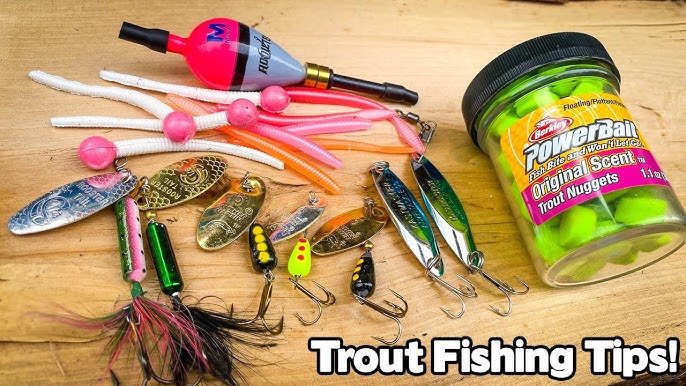
Artificial lures can mimic the movement of natural bait. They are reusable and versatile. Here are some popular types:
| Type | Description |
|---|---|
| Spinners | These lures spin in the water, attracting trout with flashes of light. |
| Spoons | Spoon lures wobble to mimic small fish, drawing trout in. |
| Jigs | Jigs have a weighted head and a tail, ideal for vertical fishing. |
| Soft Plastics | These lures look like worms or grubs and are highly flexible. |
Each type of lure has its own advantages. Experiment with different lures to see which works best in your fishing spot.
Fishing Accessories
Trout fishing is an exhilarating hobby that requires proper equipment. Besides the essential fishing rod and reel, various fishing accessories enhance your experience. These accessories make your fishing trip more organized and enjoyable. Let’s explore some key accessories you should have for a successful trout fishing adventure.
Tackle Boxes
A tackle box is crucial for organizing and storing fishing gear. It helps keep hooks, lures, and baits in one place. A well-organized tackle box saves time and ensures you have everything needed.
| Type | Features |
|---|---|
| Plastic | Lightweight, waterproof, affordable |
| Metal | Durable, heavy-duty, rust-resistant |
| Soft-sided | Flexible, multiple compartments, easy to carry |
Choose a tackle box with multiple compartments. This helps in storing different types of lures and baits. Soft-sided tackle bags are great for easy transportation. For a more durable option, metal tackle boxes are ideal.
Fishing Nets
A fishing net is essential for catching and handling trout safely. It helps in landing the fish without causing harm. Look for nets with rubberized mesh to protect the fish’s skin.
- Landing Net: Ideal for bringing the fish to shore
- Rubber Net: Prevents damage to the fish’s scales and skin
- Collapsible Net: Easy to carry and store
Landing nets are great for larger trout. Rubber nets are gentle on fish, ensuring safe catch and release. Collapsible nets are convenient for travel.
Incorporate these fishing accessories into your gear. They significantly improve your trout fishing experience.
Credit: m.youtube.com
Waders And Boots
Waders and boots are essential for successful trout fishing. They keep you dry and comfortable. With the right gear, you can wade into streams and rivers. This gives you better access to prime fishing spots. Let’s dive into what you need to know about waders and boots for trout fishing.
Choosing Waders
Waders come in different styles and materials. You need to pick the right pair for your fishing environment. There are three main types of waders:
- Hip waders: These are good for shallow water. They are easy to put on and take off.
- Waist waders: These provide more coverage. They are ideal for deeper waters.
- Chest waders: These offer the most coverage. They are perfect for deep rivers and cold conditions.
Waders are made from various materials. Here is a quick comparison:
| Material | Pros | Cons |
|---|---|---|
| Neoprene | Warm, durable | Heavy, less breathable |
| Breathable fabric | Lightweight, comfortable | Less insulation |
| Rubber | Affordable, waterproof | Heavy, less flexible |
Choose waders based on your needs and environment. For cold weather, neoprene is best. For warmer conditions, breathable fabric is ideal.
Best Boots For Trout Fishing
Boots are just as crucial as waders. You need boots that provide good traction and comfort. Here are some key features to look for:
- Non-slip soles: Ensure safety on slippery rocks.
- Lightweight: Reduces fatigue during long fishing trips.
- Durability: Withstands rough conditions and frequent use.
- Comfort: Keeps your feet pain-free during long hours.
Boots come in different materials and styles. Here is a quick guide:
- Rubber boots: Waterproof and durable, but can be heavy.
- Felt-soled boots: Great for traction on slippery surfaces, but not allowed in some areas due to environmental concerns.
- Rubber-soled boots: Versatile and often have added studs for better grip.
Remember to match your boots with your waders. Some waders come with built-in boots, while others require separate boots. Make sure your gear fits well together for maximum comfort and efficiency.
Clothing And Gear
When planning for a successful trout fishing adventure, having the right clothing and gear is essential. Proper preparation ensures comfort and safety, allowing you to focus on the joy of fishing. Let’s dive into the necessities.
Weather-appropriate Clothing
Wearing the right clothes can make or break your fishing trip. Dress in layers to adapt to changing weather. Start with a moisture-wicking base layer to keep sweat away. Add an insulating layer for warmth and finish with a waterproof outer layer.
Here’s a list of must-have clothing:
- Moisture-wicking base layers – Keeps you dry and comfortable
- Insulating mid-layers – Provides warmth in cold conditions
- Waterproof outer layers – Protects against rain and splashes
- Quick-drying pants – Ideal for wet environments
- Non-slip boots – Ensures stable footing
Always check the weather forecast before heading out. Adjust your layers based on predicted temperatures and conditions.
Safety Gear
Safety gear is crucial for a secure fishing experience. A few essential items can prevent accidents and ensure help is available if needed.
Consider the following safety items:
| Item | Purpose |
|---|---|
| Life jacket | Increases safety in case of falling into the water |
| First-aid kit | Treats minor injuries on the spot |
| Whistle | Helps signal for help |
| Sunscreen | Protects skin from harmful UV rays |
| Polarized sunglasses | Reduces glare and improves visibility |
Always carry a fully charged phone in a waterproof case. This ensures you can call for help if needed.
Fishing Techniques
Fishing for trout requires specific techniques to improve your catch rate. The right method can make your fishing trip successful. Let’s explore some essential techniques.
Casting Techniques
Proper casting is key to reaching the trout. Start with a short cast to get the feel of it. Use a sidearm cast to keep the line low and avoid spooking the fish.
Try the overhead cast for longer distances. This method allows you to cover more water. Remember to keep your wrist firm and use your arm to cast.
| Technique | Benefit |
|---|---|
| Sidearm Cast | Reduces splash, less likely to scare trout |
| Overhead Cast | Reaches further distances, covers more area |
Retrieving Methods
After casting, the way you retrieve the line is crucial. Use a slow and steady retrieve to mimic the natural movement of prey.
Experiment with a stop-and-go retrieve. This method creates an erratic motion, triggering a trout’s predatory instincts.
- Slow and steady retrieve: Mimics natural prey movement.
- Stop-and-go retrieve: Creates erratic, enticing motion.
Frequently Asked Questions
What Equipment Do You Need To Trout Fish?
You need a fishing rod, reel, fishing line, hooks, bait or lures, and a tackle box. Don’t forget a fishing license.
What Is The Best Thing To Use For Trout Fishing?
The best thing for trout fishing is using live bait like worms or artificial lures like spinners and flies. Ensure you match the bait to the local trout diet for better results. High-quality fishing gear and proper techniques also boost success.
What Is The Best Setup For Trout Fishing?
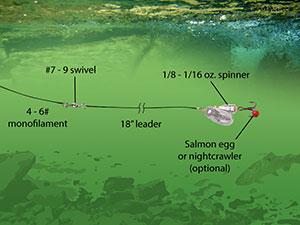
Use a lightweight rod and reel combo. Select 4-6 lb test line. Choose small lures or live bait like worms. Fish in clear, slow-moving waters.
How Do You Trout Fish For Beginners?
Start with a lightweight rod and reel. Use live bait or small lures. Fish in clear, cool water. Cast near structures like rocks or logs. Be patient and reel slowly.
Conclusion
Mastering trout fishing requires the right gear and knowledge. Equip yourself with quality rods, reels, and bait. Don’t forget essential accessories like waders and a tackle box. Understanding trout behavior and the best fishing spots will increase your success. Happy fishing, and may your next trout adventure be rewarding!

I’m the owner of TroutMate and a passionate fishing enthusiast. I share hands-on guides, gear reviews, and practical tips for freshwater, saltwater, and kayak fishing. My mission is to help anglers of all levels catch more fish, explore new locations, and enjoy every trip on the water.