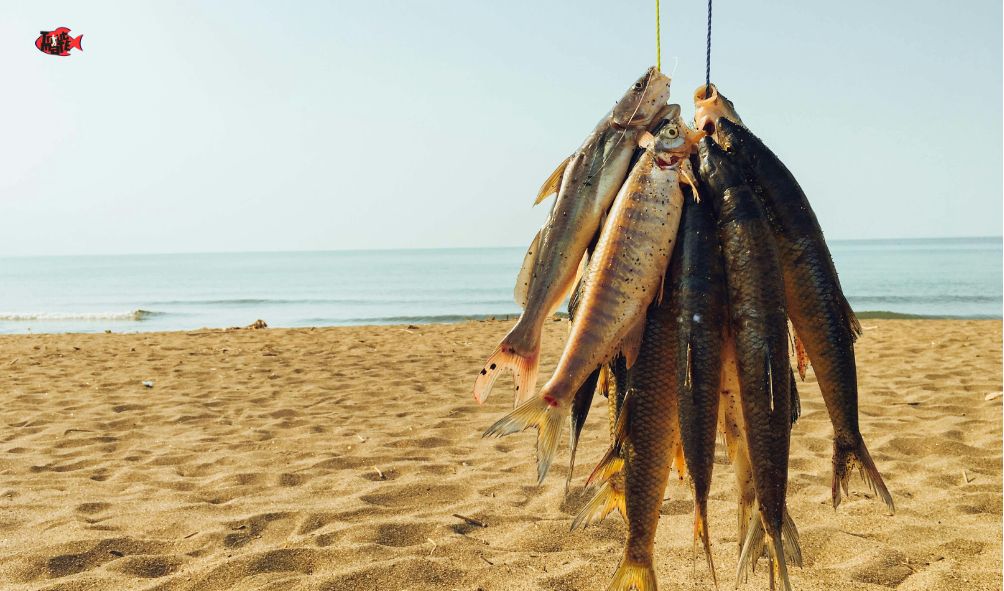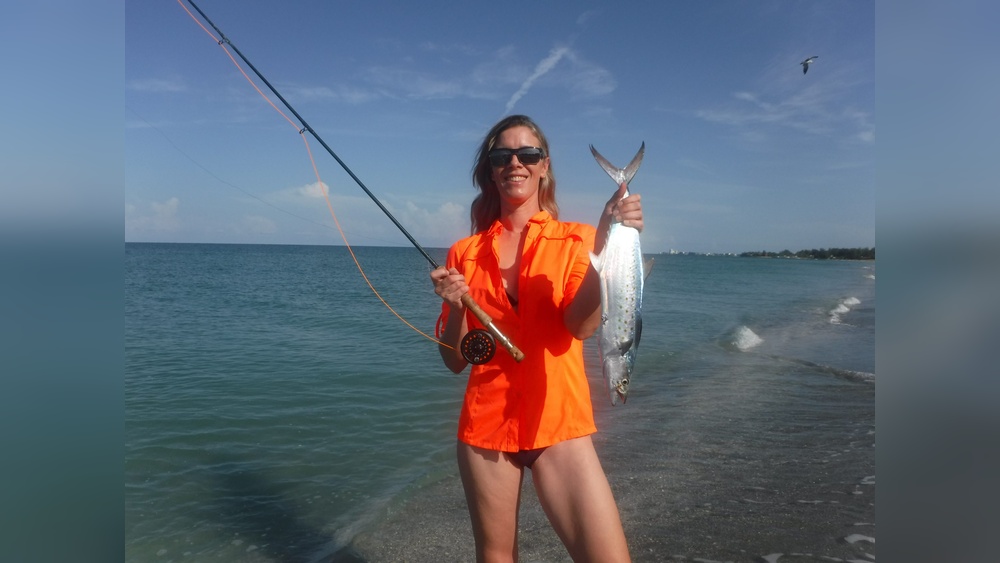
Saltwater fishing can be good after rain. Rain can stir up nutrients and attract fish to feeding areas.
Rain impacts saltwater fishing by altering water conditions, such as salinity and temperature. These changes can influence fish behavior and feeding patterns. Rainwater runoff often carries nutrients into the ocean, attracting smaller fish and, subsequently, larger predatory fish. Overcast skies following rain can also reduce light penetration, making fish less cautious and more likely to bite.
Anglers may find success fishing near inlets, estuaries, or areas where freshwater mixes with saltwater. Always consider safety and weather conditions before heading out. Overall, rain can create favorable conditions for saltwater fishing, but understanding the specific impacts on local waters is crucial for success.
Impact Of Rain On Saltwater Fishing
Rain can change the dynamics of saltwater fishing. It affects water clarity and fish behavior. Understanding these changes can improve your fishing success.
Water Clarity
Rain often stirs up sediment in the water. This makes the water murky. Clear water is better for visibility. Fish and bait are easier to spot. But, murky water has advantages too. Fish feel safer and are more likely to bite.
After rain, water clarity can vary. It depends on the amount of rain and location. Near shore, rain stirs up more sediment. Farther out, the water stays clearer. Check local water conditions before heading out. Use lures that stand out in murky water. Bright colors and strong scents work well.
Fish Behavior
Rain affects fish behavior in saltwater. Freshwater runoff changes the water’s salinity. Fish move to find the right conditions. They may move closer to shore or deeper waters.
Rain can also cool the water. Fish are more active in cooler water. Look for feeding fish after a rain. Baitfish move differently in cooler water. Predatory fish follow their prey. Watch for birds diving into the water. This indicates baitfish are near the surface.
Fish are less cautious in murky water. They rely on other senses to find food. Use lures that create vibrations or noise. This attracts fish when visibility is low.
Timing is crucial. Fish are more likely to bite after a rain shower. Plan your fishing trip to match these patterns. Local fishing reports can provide valuable information.
| Aspect | Impact |
|---|---|
| Water Clarity | Murky water can make fish feel safer. |
| Fish Behavior | Fish may move to find ideal salinity. |
| Temperature | Rain can cool the water, increasing fish activity. |
Best Times To Fish After Rain
The period after rain can be a great time for saltwater fishing. Fish often become more active, making it an ideal time to cast your line. Knowing the best times to fish after rain can enhance your fishing experience.
Optimal Weather Conditions
After rain, fish tend to move and feed more. This is due to the change in water temperature and oxygen levels. The best weather conditions include:
- Overcast skies: Fish feel safer and are more willing to bite.
- Cool temperatures: Fish prefer cooler water, making them more active.
- Light breeze: It helps distribute food and oxygen in the water.
Tide Considerations
Understanding tides can greatly impact your fishing success. The best tides to fish after rain are:
- Incoming tide: Brings in fresh water and nutrients.
- High tide: Fish move closer to shore, making them easier to catch.
- Outgoing tide: Moves fish to specific spots, making them predictable.
The table below summarizes the best times to fish based on tide and weather conditions:
| Weather Condition | Best Tide | Fish Activity |
|---|---|---|
| Overcast | Incoming | High |
| Cool | High | Moderate |
| Light Breeze | Outgoing | High |
By paying attention to these factors, you can increase your chances of a successful catch.
Equipment for Post-Rain Fishing
Fishing after rain can be rewarding. The rain stirs up the water, bringing fish closer to the surface. To make the most of your post-rain fishing trip, having the right equipment is crucial. Here’s a guide to help you select the best gear.
Rod And Reel Selection
Choosing the right rod and reel is essential for a successful trip. Rain can affect water clarity and fish behavior. You need a rod and reel that can handle these changes.
- Spinning Rods: Ideal for beginners. They are versatile and easy to use.
- Baitcasting Rods: Better for experienced anglers. They offer more control and accuracy.
For the reel, consider:
| Reel Type | Advantages |
|---|---|
| Spinning Reels | Good for light lures and lines |
| Baitcasting Reels | Better for heavy lures and lines |
Bait And Lures
Using the right bait and lures can make a big difference. After rain, fish are often more active and willing to bite.
- Live Bait: Worms and minnows work well. They attract fish with their natural movement.
- Soft Plastics: These are great for mimicking live bait. Use them to target specific fish species.
- Topwater Lures: These are effective when fish are near the surface. They create a splash that draws fish in.
Remember to choose lures that match the water clarity. Bright colors work best in murky water.
Credit: www.themeateater.com
Safety Measures
Saltwater fishing after rain can be exciting. But safety should be your top priority. Rain can change the environment and affect your fishing trip. Here are some essential safety measures to keep in mind.
Weather Precautions
Always check the weather forecast before heading out. Rain can lead to sudden storms. These storms can be dangerous for fishermen. Use a reliable weather app for updates.
- Wear appropriate clothing: Use waterproof gear to stay dry.
- Monitor the skies: Dark clouds can signal an approaching storm.
- Check wind speeds: High winds can make fishing difficult.
Boating Safety
Boating safety is crucial after rain. Wet conditions can make the deck slippery. This increases the chance of accidents. Follow these tips for a safe boating experience.
- Inspect your boat: Ensure the boat is in good condition.
- Wear life jackets: Always wear a life jacket while on the boat.
- Use non-slip mats: Place these mats on the deck to prevent slipping.
- Keep emergency supplies: Have a first aid kit and emergency flares.
Top Fishing Spots After Rain
After a good rain, saltwater fishing can be exceptional. The rain stirs up the water, bringing nutrients to the surface. This attracts a variety of fish, making it a perfect time to cast your line. Here are the top fishing spots after rain that you should explore.
Inshore Locations
Inshore locations are great for fishing after rain. The shallow waters are rich in nutrients. Fish like redfish, trout, and flounder come closer to the shore.
- Estuaries: The mix of fresh and saltwater attracts many fish species.
- Mangroves: These areas provide shelter and food for fish.
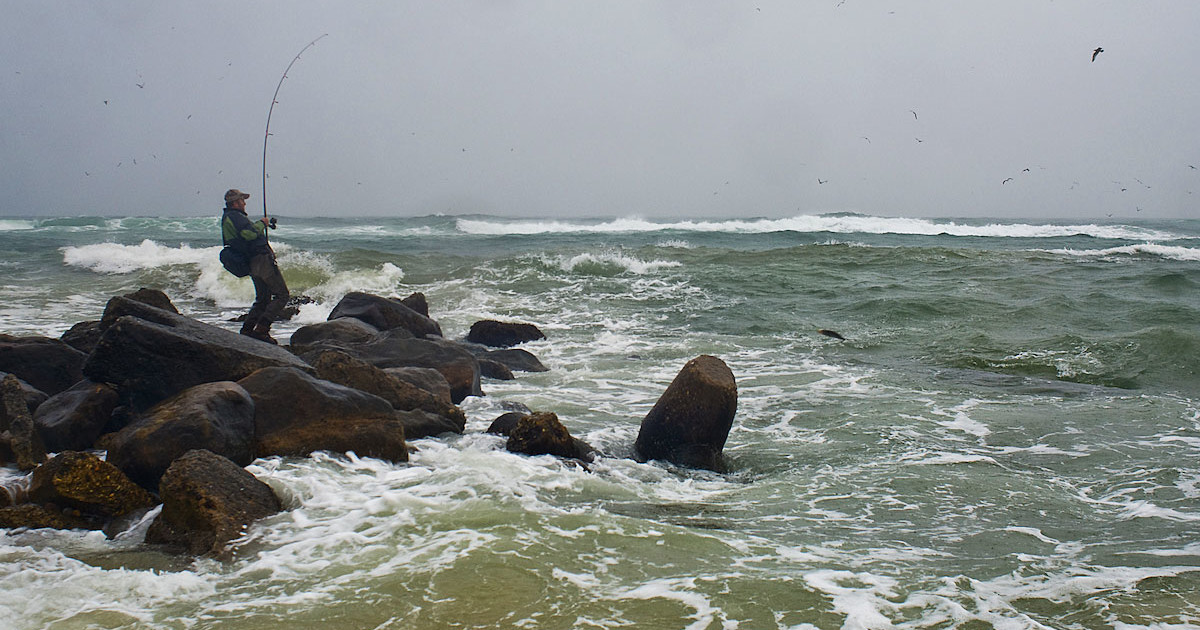
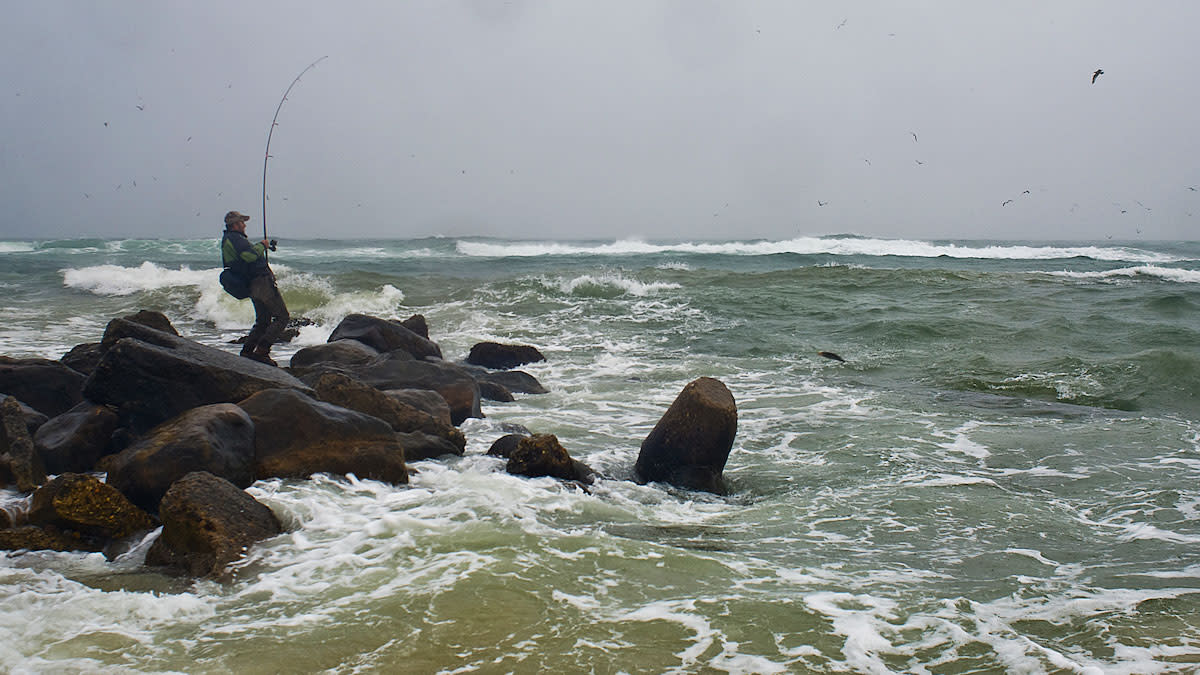
- Jetties: Fish gather around rocks and piers after rain.
Using live bait works best in these areas. Shrimp and minnows are excellent choices. Fish are more active and hungry after the rain.
Offshore Locations
Offshore fishing spots are equally rewarding after rain. The deeper waters become nutrient-rich, drawing in large schools of fish.
- Reefs: Coral reefs become hotspots for snapper and grouper.
- Wrecks: Sunken ships attract large fish like amberjack and barracuda.
- Oil Rigs: These structures are teeming with fish after a storm.
For offshore fishing, use heavy-duty gear. Trolling with lures or live bait is effective. Pay attention to weather updates before heading offshore.
| Inshore Spots | Best Bait |
|---|---|
| Estuaries | Shrimp |
| Mangroves | Crabs |
| Jetties | Minnows |
| Offshore Spots | Best Bait |
|---|---|
| Reefs | Squid |
| Wrecks | Live Fish |
| Oil Rigs | Cut Bait |
Credit: www.themeateater.com
Fish Species To Target
Saltwater fishing after rain can be very rewarding. The rain can affect fish behavior, making certain species more active and easier to catch. Let’s explore which fish species you should target after a rain.
Popular Species
- Redfish: These fish love the cooler, oxygen-rich water after rain.
- Snook: Snook often move closer to shorelines and estuaries.
- Trout: Rain stirs up baitfish, attracting trout to feed.
- Flounder: Flounder become more active and move to shallower waters.
Seasonal Variations
| Season | Fish Species | Behavior |
|---|---|---|
| Spring | Redfish, Trout | Feed actively, closer to shore |
| Summer | Snook, Flounder | Seek cooler, deeper waters |
| Fall | Redfish, Flounder | Move to shallower waters |
| Winter | Trout, Snook | Gather in warmer, deeper areas |
Targeting these species after rain can make your fishing trip successful. Always check local regulations and weather conditions before heading out.
Techniques For Success
Fishing after rain can be highly rewarding. Rain stirs up nutrients, attracting fish to the surface. Knowing the right techniques can make your fishing trip successful. Below, find some proven techniques for success.
Casting Tips
Perfecting your casting technique can make a world of difference. Here are some tips:
- Use a longer rod to increase your casting distance.
- Cast against the wind to mimic natural bait movement.
- Ensure your line is free of tangles for smoother casts.
- Practice sidearm casting for more accuracy in windy conditions.
Reeling Strategies
Effective reeling can increase your chances of catching. Consider these strategies:
- Vary your retrieval speed to mimic distressed prey.
- Use a stop-and-go technique to entice curious fish.
- Keep your rod tip low to maintain tension and control.
- Always reel in slowly when you feel a nibble.
By using these techniques, your saltwater fishing after rain can be more productive. Remember, practice makes perfect, so keep refining your skills.
Expert Insights
Saltwater fishing after rain can be a unique experience. Many anglers swear by it. Here, we gather expert advice to help you make the most of it.
Pro Angler Advice
Pro anglers have valuable tips for fishing after rain. Here are some expert insights:
- Check Water Clarity: Rain can muddy the waters. Fish may move to clearer areas.
- Observe Water Temperature: Rain cools the water. Fish may stay in warmer spots.
- Look for Runoff Areas: Nutrients wash into the ocean. Fish gather where food is abundant.
Common Mistakes
Avoid these common mistakes to improve your chances of success:
| Mistake | Explanation |
|---|---|
| Ignoring Weather Changes | Rain often brings wind. Be prepared for changing conditions. |
| Using Wrong Bait | Fish behavior changes after rain. Use bait that matches new conditions. |
| Fishing in Turbid Waters | Muddy water makes it hard for fish to see bait. Seek clearer spots. |
Frequently Asked Questions
Is It Good To Go Saltwater Fishing After Rain?
Yes, saltwater fishing after rain can be good. Rain stirs up nutrients, attracting fish closer to the shore.
Do Fish Bite After It Rains?
Yes, fish bite after it rains. Rain can oxygenate the water and stir up food, making fish more active.
What Do Saltwater Fish Do When Raining?
Saltwater fish generally continue their usual activities when it rains. They swim, hunt, and seek shelter as needed.
Do Fish Hide When It Rains?
Fish often seek shelter during rain to avoid strong currents and predators. They might hide under rocks or vegetation.
Conclusion
Rain can significantly impact saltwater fishing, often enhancing fish activity. Post-rain conditions can lead to successful catches. Always stay safe and informed about weather patterns. Don’t miss the opportunity to explore saltwater fishing after a rain, as it can offer unique and rewarding experiences for anglers.
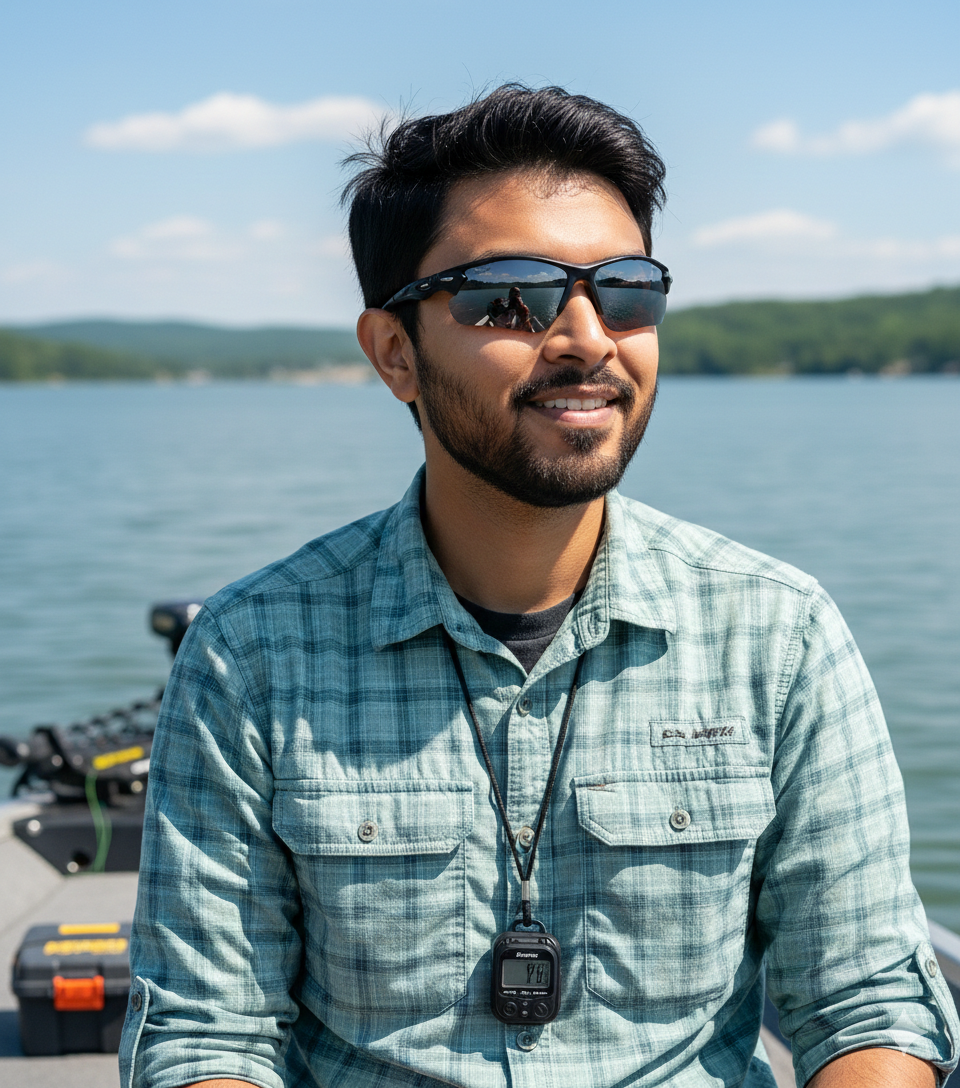
I’m the owner of TroutMate and a passionate fishing enthusiast. I share hands-on guides, gear reviews, and practical tips for freshwater, saltwater, and kayak fishing. My mission is to help anglers of all levels catch more fish, explore new locations, and enjoy every trip on the water.