

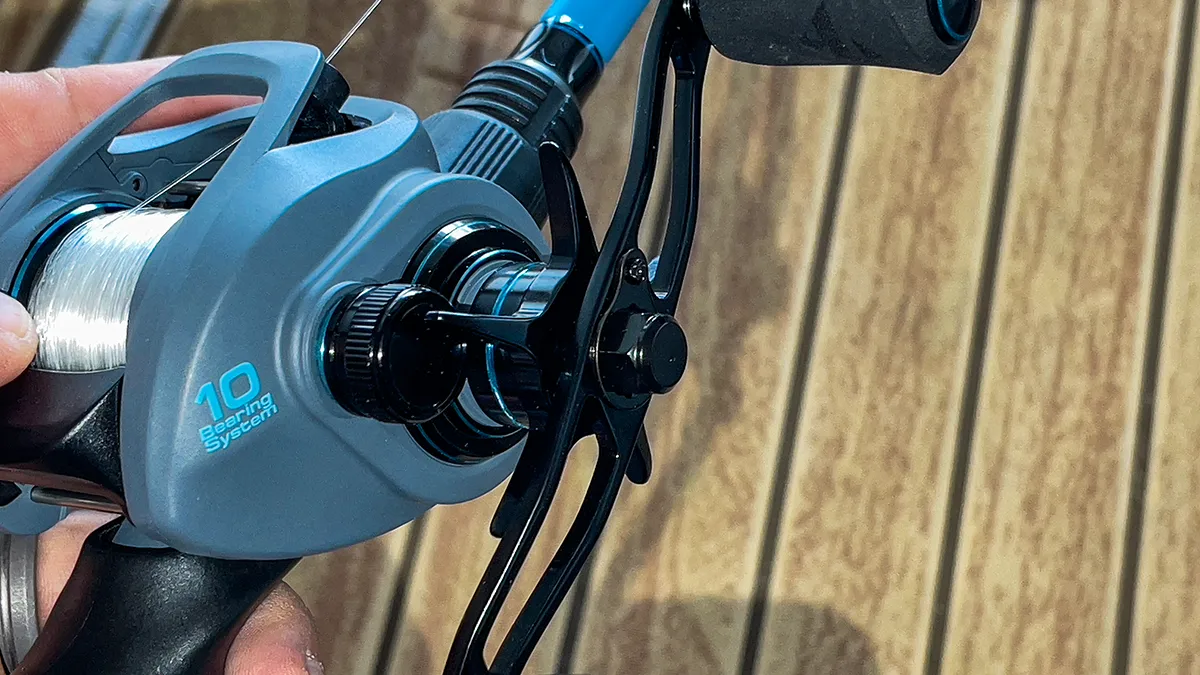
To set the drag, adjust the drag knob until you achieve the desired resistance. Ensure it’s neither too tight nor too loose.
Setting the drag on your fishing reel is crucial for a successful fishing experience. Proper drag adjustment ensures that your line withstands the pull of the fish without breaking. This balance between tension and flexibility allows you to tire out the fish, making it easier to reel in.
Start by locating the drag knob, usually found on the top or side of the reel. Turn the knob to increase or decrease resistance. Check by pulling the line and adjusting as needed. This simple yet essential step can significantly improve your chances of landing your catch.
Credit: www.wired2fish.com
Choosing The Right Gear
Choosing the right gear is crucial for setting the drag effectively. The right gear ensures you have control over the fish. It also prevents line breakage. Let’s delve into the basics of selecting the perfect gear.
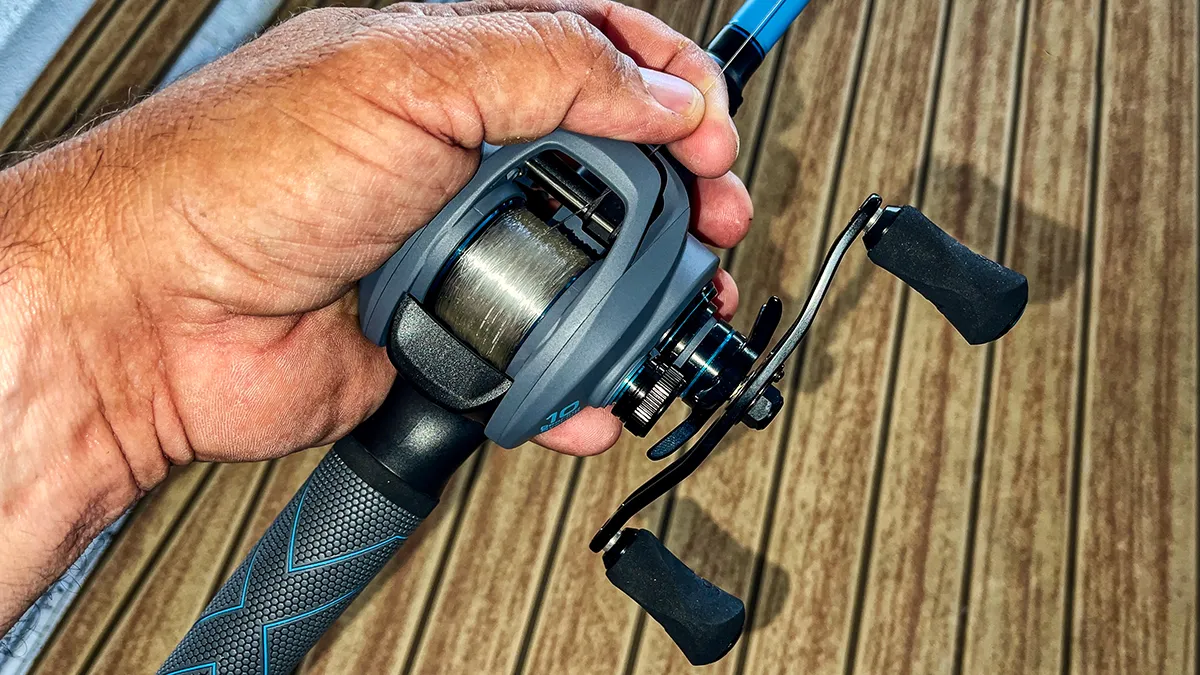
Types Of Reels
Different reels have unique features. Here are the main types:
- Spinning Reels: These are user-friendly. Great for beginners.
- Baitcasting Reels: Offer more control. Ideal for experienced anglers.
- Spincast Reels: Simple and affordable. Perfect for kids and beginners.
Each reel type has its pros and cons. Choose one based on your skill level and fishing needs.
Selecting The Line
Choosing the right line is equally important. Here are some options:
| Type of Line | Features |
|---|---|
| Monofilament | Flexible, easy to handle. Best for beginners. |
| Braided | Strong and durable. Suitable for heavy cover fishing. |
| Fluorocarbon | Nearly invisible underwater. Excellent for clear water. |
Select a line based on your fishing environment and target species. Always check the line’s weight capacity.
Credit: www.wired2fish.com
Understanding Drag Systems
Setting the drag on your fishing reel is crucial. It ensures you can catch fish without breaking the line. Different drag systems offer various advantages. Knowing these can improve your fishing experience.
Front Drag Vs. Rear Drag
Reels come with either a front or rear drag system. Both have unique features.
| Feature | Front Drag | Rear Drag |
|---|---|---|
| Location | Drag knob at the front | Drag knob at the rear |
| Adjustment | More precise | Convenient for quick changes |
| Power | Higher drag power | Lower drag power |
Front drag systems are preferred for larger fish. Rear drag systems are easier for beginners.
Star Drag Vs. Lever Drag
Star drag and lever drag systems are common on baitcasting and conventional reels. Each has its benefits.
- Star Drag: Found on baitcasting reels. It uses a star-shaped wheel. This system is easy to adjust. Turn the star wheel to set the drag. It is great for quick changes.
- Lever Drag: Found on conventional reels. It uses a lever to adjust the drag. This system offers precise control. Lever drags are ideal for big game fishing. They provide strong drag pressure.
Choosing between star drag and lever drag depends on your fishing needs. Star drags are simpler. Lever drags offer more control and power.
Setting The Drag
Setting the drag on your fishing reel is crucial. It helps you control the fight with the fish. A properly set drag protects your line from breaking. It also ensures you can land the fish successfully. Let’s dive into the details of setting the drag.
Initial Setup
Start with the reel’s manufacturer guidelines. These instructions often provide a good starting point.
- Locate the drag adjustment knob on your reel.
- Turn the knob to tighten or loosen the drag.
- Set the drag to about one-third of your line’s breaking strength.
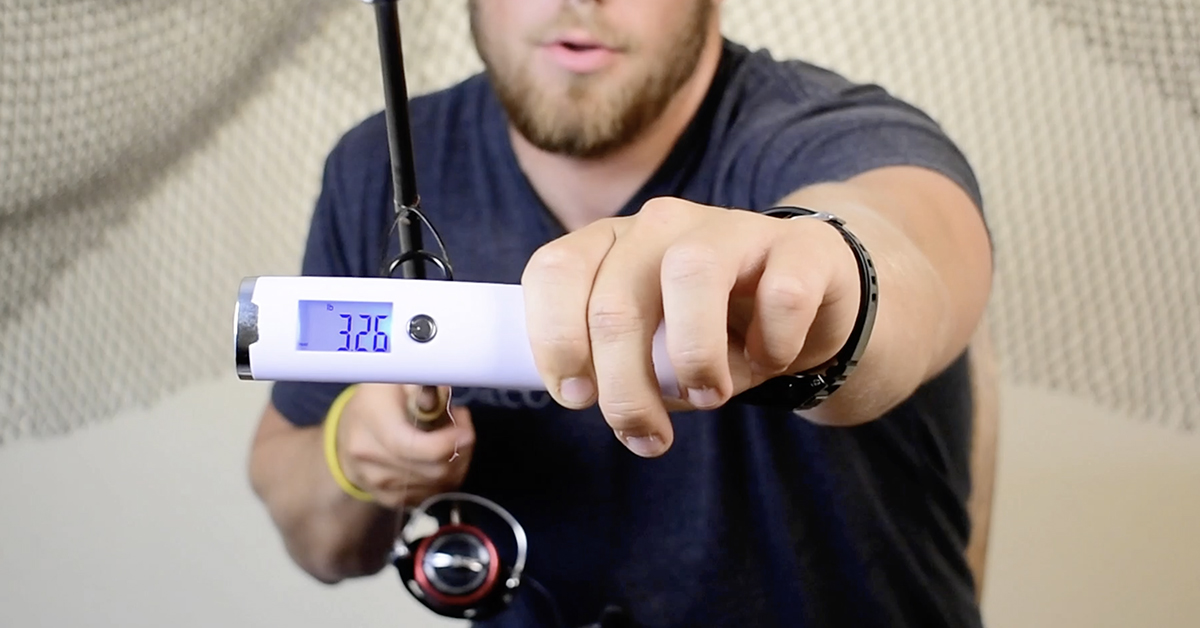
For example, if you use a 15-pound line, set the drag to 5 pounds. Use a scale to measure the drag if you are unsure.
Fine-tuning Techniques
Once you have a basic setting, fine-tune the drag. You can use various techniques.
- Pull the Line: Pull the line with steady pressure. The line should come off smoothly.
- Adjust During Fight: Adjust the drag during the fish fight if needed. Tighten it if the fish runs too fast. Loosen it if the line feels too tight.
- Test on Water: Always test the drag on the water. Practice makes perfect.
Remember, different fish species require different drag settings. So, always be ready to adjust.
Testing The Drag
Testing the drag on your fishing reel is very important. It ensures a smooth fishing experience. Proper drag settings prevent line breakage and lost fish. Here, we discuss two main methods: On-Water Testing and Land-Based Methods.
On-water Testing
On-water testing provides real-world conditions for setting your drag. This method simulates actual fishing scenarios.
- Start by casting your line into the water.
- Engage the reel and begin reeling in slowly.
- Pull the line with steady pressure using your hand.
- Adjust the drag knob until you feel slight resistance.
- Ensure the drag allows line to slip when pulled hard.
Important: Always test the drag with the fishing rod in your hand. This helps you feel the line tension better.
Land-based Methods
Land-based methods are quick and efficient. They provide a controlled environment to test your drag settings.
- Attach your fishing rod to a solid object.
- Pull the line out by hand, applying steady pressure.
- Adjust the drag knob until the line pulls smoothly.
- Test with different levels of pressure to ensure consistency.
Tip: Use a scale to measure the drag pressure. This ensures accuracy and repeatability.
Both methods are effective for setting the drag. Choose the one that suits your needs best. Proper drag settings enhance your fishing experience significantly.
Adjusting For Different Species
Adjusting the drag on your fishing reel is crucial. Different species require different settings. This ensures you catch your target fish efficiently. Let’s dive into the specifics of how to adjust for various types of fish.
Freshwater Vs. Saltwater
Freshwater and saltwater fish have different needs. Freshwater fish are generally smaller. So, they require a lighter drag setting. Set your drag to about one-third of the line’s breaking strength. For example, if your line has a 9-pound breaking strength, set the drag to 3 pounds.
Saltwater fish are usually larger and stronger. A heavier drag setting is essential. Aim for a drag setting around one-half of the line’s breaking strength. For a line with a 30-pound breaking strength, set the drag to 15 pounds.
Targeting Specific Fish
Different fish species require specific drag settings. Here’s a quick guide:
| Fish Species | Recommended Drag Setting |
|---|---|
| Trout | 2-3 pounds |
| Bass | 4-6 pounds |
| Catfish | 6-8 pounds |
| Redfish | 8-10 pounds |
| Marlin | 15-25 pounds |
For trout, use a light drag setting between 2-3 pounds. This allows for a smooth fight. For bass, a slightly heavier drag of 4-6 pounds works well. Catfish need a stronger drag, around 6-8 pounds.
When fishing for redfish, use a drag setting of 8-10 pounds. This helps in controlling their strong runs. For marlin, a heavy drag setting is crucial. Aim for 15-25 pounds to handle their power.
Adjusting your drag properly increases your chances of success. Always consider the fish species and their strength. This ensures a better fishing experience.
Common Mistakes
Setting the drag on your fishing reel is crucial. Mistakes can lead to lost fish or broken lines. Here are common mistakes to avoid while setting the drag.
Over-tightening
Over-tightening the drag is a frequent error. This can break your fishing line. When the drag is too tight, the line cannot handle the fish’s pull. It is vital to test the drag before you start fishing. Ensure it releases line smoothly under tension. A simple way to test is by pulling the line with your hand. Adjust until it feels right.
Ignoring Environmental Factors
Ignoring environmental factors can ruin your fishing trip. Temperature changes affect the drag’s effectiveness. Cold weather makes the line less flexible. Warm weather can loosen it. Always check the drag in the environment you will fish in. Wet conditions also impact drag. Water can make the line slippery, affecting tension. Always adjust for these factors.
| Environmental Factor | Effect on Drag |
|---|---|
| Cold Weather | Line becomes less flexible |
| Warm Weather | Line may loosen |
| Wet Conditions | Line can become slippery |
Adjusting the drag for these factors ensures a smooth fishing experience. Regular checks and adjustments can prevent issues. Use these tips to set your drag correctly.
Maintenance Tips
Maintaining your drag system is essential for a smooth fishing experience. Regular upkeep ensures longevity and optimal performance. Follow these tips to keep your drag system in top condition.
Regular Cleaning
Cleaning your drag system regularly is crucial. Dirt and salt can damage the drag. Use fresh water to rinse off any debris. A soft brush helps remove stubborn grime. Always dry the parts thoroughly.
Lubrication Advice
Proper lubrication keeps the drag system working smoothly. Use a light reel oil for lubrication. Apply a small amount to the moving parts. Avoid over-lubricating, which can attract dirt. Ensure all parts move freely after lubrication.
| Maintenance Task | Frequency | Tools Needed |
|---|---|---|
| Cleaning | After each use | Fresh water, soft brush |
| Lubrication | Once a month | Light reel oil, cloth |
Regular maintenance helps your drag system last longer. Clean and lubricate it regularly for the best performance.
Credit: www.saltstrong.com
Pro Tips
Setting the drag correctly can make or break your fishing success. Here are some pro tips to help you fine-tune your drag settings for the perfect fishing experience.
Listening To The Reel
Listening to the reel can provide vital clues. The sound of the reel can indicate if the drag is too tight or too loose. A smooth, steady sound means the drag is set well. If you hear a jerky or erratic noise, adjust the drag.
To fine-tune, pull the line manually and listen. A smooth pull means your drag is just right. If it feels jerky, loosen the drag a bit.
Using Your Senses
Using your senses can help perfect your drag settings. Feel the line with your fingers. It should move smoothly without resistance. If it feels stuck, the drag is too tight.
Use your eyes to observe the line’s behavior. If it stretches too much, the drag needs adjustment. Watch for any sudden movements or jerks in the line. This indicates improper drag settings.
| Sense | What to Look For |
|---|---|
| Sound | Smooth and steady reel noise |
| Touch | Line moves without resistance |
| Sight | No sudden line movements |
By listening and using your senses, you can set the drag perfectly. This ensures a successful and enjoyable fishing trip every time.
Frequently Asked Questions
How Should I Set My Drag?
Set your drag to one-third of your line’s breaking strength. Use a scale to measure accurately. Adjust based on fish size and fight duration.
What Is The Best Drag Setting?
The best drag setting depends on your fishing target and gear. Set it to one-third of your line’s breaking strength.
How To Properly Set Drag On Baitcaster?
To set drag on a baitcaster, tighten the drag knob clockwise. Pull the line to test resistance. Adjust until it feels firm but allows some give. Ensure it matches the fish size.
How To Set Drag For Catfishing?
To set drag for catfishing, adjust the drag knob to about one-third of your line’s breaking strength. Test by pulling the line.
Conclusion
Mastering drag setting can enhance your fishing experience. Ensure your equipment is ready and practice regularly. Proper drag adjustment protects your gear and helps land more fish. Remember these tips for better results on your next fishing trip. Happy fishing!

I’m the owner of TroutMate and a passionate fishing enthusiast. I share hands-on guides, gear reviews, and practical tips for freshwater, saltwater, and kayak fishing. My mission is to help anglers of all levels catch more fish, explore new locations, and enjoy every trip on the water.

