Choose a saltwater fishing rod based on the type of fish and fishing technique. Consider rod length, power, and action.
Choosing the right saltwater fishing rod is crucial for a successful fishing experience. Different rods are designed for various types of fishing, including surf fishing, jigging, and trolling. The rod’s length, power, and action play significant roles in determining its suitability.
Longer rods cast farther, while shorter rods offer better control. Power refers to the rod’s strength, which should match the targeted fish species. Action describes how much the rod bends under pressure, affecting sensitivity and hook-setting ability. By understanding these factors, anglers can select the perfect rod for their needs, enhancing their chances of a fruitful fishing trip.
Types Of Saltwater Fishing Rods
Choosing the right saltwater fishing rod can be tricky. Knowing the different types helps. Each rod has its own strengths and best uses.
Spinning Rods
Spinning rods are popular and versatile. They are great for beginners. These rods are easy to use and cast. You can use them in various fishing situations.
Spinning rods work well with lighter lures. They are perfect for catching smaller fish. The reel hangs below the rod, making it easier to handle.
Casting Rods
Casting rods are ideal for experienced anglers. They offer better control and precision. These rods are perfect for targeting larger fish.
The reel sits on top of the rod. This position gives you better leverage and accuracy. Casting rods can handle heavier lines and lures.
Fly Rods
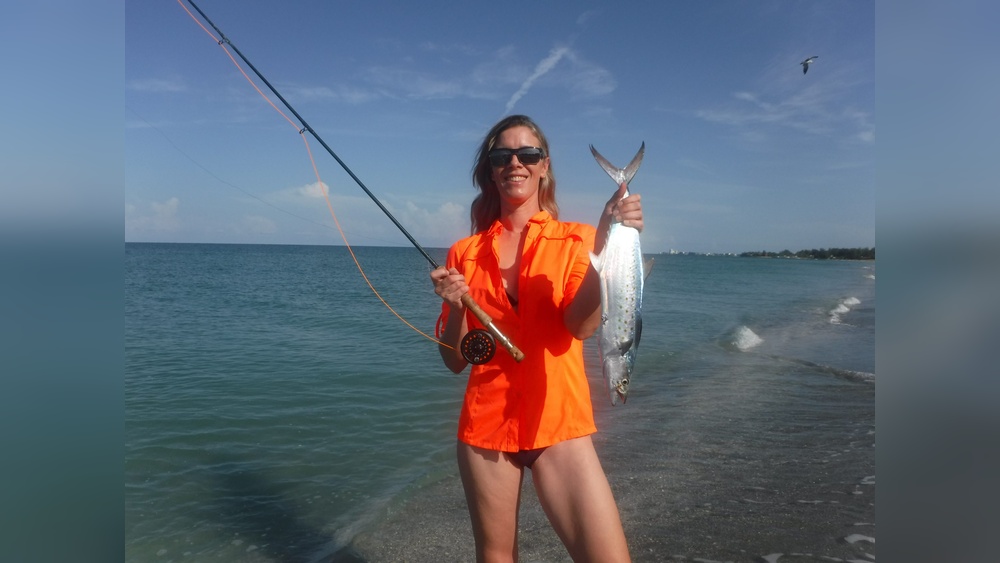
Fly rods are specialized for fly fishing. They are lightweight and flexible. These rods are designed to cast fly lines and flies.
Fly rods require skill to use. They are best for catching fish in shallow waters. You can use them to target species like bonefish and tarpon.

Credit: m.youtube.com
Rod Length Considerations
Choosing the right saltwater fishing rod involves many factors. One of the most important considerations is rod length. The length of your fishing rod can affect your casting distance, accuracy, and the type of fish you can catch. Let’s explore the differences between short and long rods and their impact on your fishing experience.
Short Vs. Long Rods
Short rods, typically under 7 feet, are great for close-quarter fishing. They offer better control and are ideal for catching larger fish near the boat. Long rods, usually over 7 feet, excel in open waters. They allow for longer casts and are perfect for surf fishing or fishing from a pier.
| Rod Length | Best For | Advantages |
|---|---|---|
| Short Rods (under 7 feet) | Close-quarter fishing | Better control, easier to handle |
| Long Rods (over 7 feet) | Open waters | Longer casts, better for surf fishing |
Impact On Casting Distance
The length of your rod directly affects your casting distance. A longer rod can cast farther, making it ideal for surf fishing. You can reach fish that are further away from the shore. On the other hand, a shorter rod offers more precision. It is perfect for casting in tight spots or around obstacles.
- Short Rods: Better for precise casts in tight spaces.
- Long Rods: Excellent for long-distance casting.
Understanding these differences can help you select the best rod length for your needs. Whether you prefer fishing in close quarters or casting far into the ocean, choosing the right rod length can enhance your fishing experience.
Rod Power And Action
Choosing the right saltwater fishing rod is crucial for success. Among the key factors to consider are Rod Power and Rod Action. These elements determine how your rod performs under different fishing conditions.
Understanding Rod Power
Rod Power refers to the rod’s ability to handle different weights. It ranges from ultra-light to heavy. This measure impacts the type of fish you can catch.
Here is a quick breakdown:
| Rod Power | Suitable For |
|---|---|
| Ultra-Light | Small fish species |
| Light | Panfish and trout |
| Medium | Bass and inshore species |
| Heavy | Larger saltwater fish |
| Extra-Heavy | Big game fish |
Different Rod Actions
Rod Action describes how much the rod bends when pressure is applied. It ranges from slow to fast.
Here are the types of rod actions:
- Fast Action: Bends at the tip. Ideal for long casts.
- Moderate Action: Bends in the top half. Good for versatile fishing.
- Slow Action: Bends throughout. Best for small lures and live bait.
The choice of rod action impacts casting distance and hook-setting power. Fast action rods are good for quick hook sets. Slow action rods are great for delicate presentations.
Material Choices
Choosing the right saltwater fishing rod involves understanding the different material choices. Each material offers unique benefits and characteristics. This guide will help you decide which material suits your fishing needs best.
Fiberglass Rods
Fiberglass rods are known for their durability and flexibility. They can withstand heavy loads and are less prone to breaking.
- Cost-effective: Fiberglass rods are generally cheaper than other materials.
- Durable: They can handle rough conditions and heavy fish.
- Flexible: Great for beginners due to their forgiving nature.
Graphite Rods
Graphite rods are popular for their sensitivity and lightweight nature. They allow anglers to feel even the slightest bites.
- Lightweight: Easier to handle and less tiring over long periods.
- Sensitive: Detects even the smallest fish movements.
- Powerful: Provides strong hook-setting power.
Composite Rods
Composite rods combine the best of both fiberglass and graphite. They offer a balance of durability, sensitivity, and power.
- Versatile: Suitable for a variety of fishing styles and conditions.
- Balanced: Offers a mix of strength and flexibility.
- Reliable: Great for both beginners and experienced anglers.
| Material | Durability | Flexibility | Sensitivity | Cost |
|---|---|---|---|---|
| Fiberglass | High | High | Low | Low |
| Graphite | Medium | Low | High | High |
| Composite | High | Medium | Medium | Medium |
Handle And Grip
Choosing the right saltwater fishing rod involves many important factors. One of the most critical aspects is the handle and grip. A well-designed handle ensures comfort and control during long fishing trips. Let’s delve into the different types of handles and their comfort and ergonomics.
Types Of Handles
Handles come in various materials and designs. Each type has its unique benefits.
- Cork Handles: Lightweight and comfortable. They provide a good grip even when wet.
- EVA Foam Handles: Durable and soft. These are resistant to wear and tear.
- Rubber Handles: Offer excellent grip and are easy to clean.
- Wood Handles: Classic look and feel. They are robust but can be heavier.
Comfort And Ergonomics
Comfort is key for long fishing sessions. An ergonomic handle reduces fatigue and improves control.
- Shape: Choose a shape that fits your hand size. An ergonomic design ensures comfort.
- Length: Longer handles provide better leverage. Shorter handles offer precision and control.
- Material: Soft materials like foam reduce hand strain. Harder materials may offer better durability but can be less comfortable.
| Handle Type | Material | Advantages |
|---|---|---|
| Cork | Natural Cork | Lightweight, Comfortable, Good Grip |
| EVA Foam | Synthetic Foam | Soft, Durable, Wear Resistant |
| Rubber | Rubber | Excellent Grip, Easy to Clean |
| Wood | Wood | Classic Look, Robust |
Selecting the right handle ensures a better fishing experience. Choose wisely for comfort and control.
Reel Seat And Guides
Choosing the right saltwater fishing rod is crucial for a successful fishing experience. Two key components to consider are the reel seat and guides. These parts play a significant role in the rod’s performance, durability, and comfort.
Importance Of Quality Guides
The guides on your fishing rod are essential. They direct the line from the reel to the water. Quality guides reduce friction, ensuring smoother casting and retrieving. They also protect the line from wear and tear.
Look for guides made from durable materials like stainless steel or ceramic. These materials resist corrosion, which is crucial for saltwater fishing. More guides on the rod usually mean better performance. They distribute stress more evenly, enhancing the rod’s strength.
| Material | Benefits |
|---|---|
| Stainless Steel | Resists corrosion, strong and durable |
| Ceramic | Smooth, reduces line friction, long-lasting |
Choosing The Right Reel Seat
The reel seat holds the reel in place. It should be sturdy and comfortable. A loose reel seat can ruin your fishing experience. Look for reel seats made from graphite or aluminum. These materials are light yet strong, providing the best of both worlds.
Ensure the reel seat fits your reel snugly. A good reel seat improves balance and control. It should also be easy to adjust and secure.
- Graphite: Lightweight, corrosion-resistant, comfortable
- Aluminum: Strong, durable, ideal for heavy-duty fishing
Consider the locking mechanism of the reel seat. Double-locking systems offer extra security, preventing the reel from loosening during intense fishing.
Budget And Brand Considerations
Choosing the right saltwater fishing rod involves more than just picking the first one you see. Budget and brand considerations play a significant role in finding the perfect rod. Investing in a quality rod without breaking the bank is crucial for a satisfying fishing experience.
Balancing Cost And Quality
Finding the right balance between cost and quality is essential. Opt for a fishing rod that offers durability and performance without exceeding your budget. Here are some tips to help:
- Set a Budget: Determine how much you are willing to spend.
- Research Materials: Look for rods made from high-quality materials like graphite or fiberglass.
- Read Reviews: Check customer reviews for feedback on durability and performance.
- Consider Features: Identify the features that matter most, such as length and action.
Top Brands To Consider
Several brands stand out in the market for their reliable and high-quality saltwater fishing rods. These brands are known for their innovation, durability, and customer satisfaction. Here are some of the top brands to consider:
| Brand | Key Features |
|---|---|
| Penn | Durable, corrosion-resistant, versatile rod options. |
| Shimano | Advanced technology, lightweight, excellent performance. |
| Daiwa | Innovative design, high-quality materials, reliable. |
| Ugly Stik | Affordable, durable, suitable for beginners. |
Expert Tips
Choosing the right saltwater fishing rod is crucial. Expert tips can guide you. Let’s dive into two important aspects: seeking professional advice and testing before you buy.
Seek Professional Advice
Professional advice can be invaluable. Experts have years of experience. They know what works best for different conditions.
Consider visiting a local fishing shop. Speak with the staff. They can offer personalized recommendations.
Another option is joining a fishing community. Online forums and local clubs are great. Members share valuable insights.
- Visit local fishing shops
- Join fishing communities
- Speak with experienced anglers
Test Before You Buy
Always test a rod before you buy it. This ensures it feels right in your hand.
Check for balance and comfort. A well-balanced rod reduces fatigue.
Flexibility is key. A good rod should bend without breaking.
| Aspect | What to Check |
|---|---|
| Balance | Feels good in hand |
| Comfort | Grip is secure |
| Flexibility | Bends without breaking |
Testing can save money. It ensures you get the right rod.
Frequently Asked Questions
What To Look For When Buying A Saltwater Fishing Rod?
Consider rod length, action, and power. Choose corrosion-resistant materials like graphite or fiberglass. Check for comfortable handles and strong guides.
What Rod Should I Use For Saltwater Fishing?
For saltwater fishing, use a medium to heavy rod with corrosion-resistant components. Choose a rod length between 6 to 9 feet. Ensure it has a high line rating to handle larger fish. Opt for a rod with durable guides and a comfortable grip.
What Size Rod And Reel For Saltwater Fishing?
For saltwater fishing, use a rod between 7-10 feet. Pair it with a reel rated for 20-30 pounds.
How Do You Match A Saltwater Rod And Reel?
Match a saltwater rod and reel by considering the rod’s power and action. Pair with a reel of similar size and line capacity. Check for corrosion-resistant materials. Ensure balance for comfortable handling.
Conclusion
Choosing the right saltwater fishing rod enhances your fishing experience. Remember to consider factors like rod material, length, and action. A well-chosen rod increases your chances of a successful catch. Equip yourself with the right gear and enjoy your saltwater fishing adventures to the fullest.
Happy fishing!

I’m the owner of TroutMate and a passionate fishing enthusiast. I share hands-on guides, gear reviews, and practical tips for freshwater, saltwater, and kayak fishing. My mission is to help anglers of all levels catch more fish, explore new locations, and enjoy every trip on the water.