Yes, you can use a saltwater fishing rod in freshwater. Saltwater rods are durable and versatile for various fishing conditions.
Saltwater fishing rods are designed to withstand the harsh marine environment, making them robust and corrosion-resistant. These rods are typically stronger and built to handle larger fish, which can be beneficial when fishing in freshwater for species like pike or bass.
While saltwater rods might be heavier and more rigid than freshwater rods, they can still provide excellent performance. Using a saltwater rod in freshwater means you won’t need separate gear for different environments, offering convenience and cost savings. It’s essential to clean and maintain the rod properly to ensure longevity, regardless of the water type.
Saltwater Vs. Freshwater Rods
Fishing is an exciting hobby enjoyed by many. Choosing the right rod is key. There are two main types: saltwater and freshwater rods. Understanding their differences helps you make the best choice.
Material Differences
Saltwater rods often use materials like graphite, fiberglass, or a blend. These materials resist corrosion from saltwater. Freshwater rods usually feature lightweight carbon fiber or graphite. These materials enhance sensitivity and performance.
| Rod Type | Common Materials | Key Features |
|---|---|---|
| Saltwater Rod | Graphite, Fiberglass | Corrosion Resistance, Strength |
| Freshwater Rod | Carbon Fiber, Graphite | Lightweight, Sensitive |
Durability Factors
Saltwater rods are built to withstand harsh conditions. They face strong currents, big waves, and aggressive fish. Their guides and reels feature stainless steel or titanium. This construction ensures longevity and performance.
Freshwater rods focus on precision and lightweight design. They handle smaller fish and calmer waters. Their components may use less robust materials. This design suits their intended environment perfectly.
Both rod types offer unique advantages. Knowing their differences helps you pick the right one. Happy fishing!
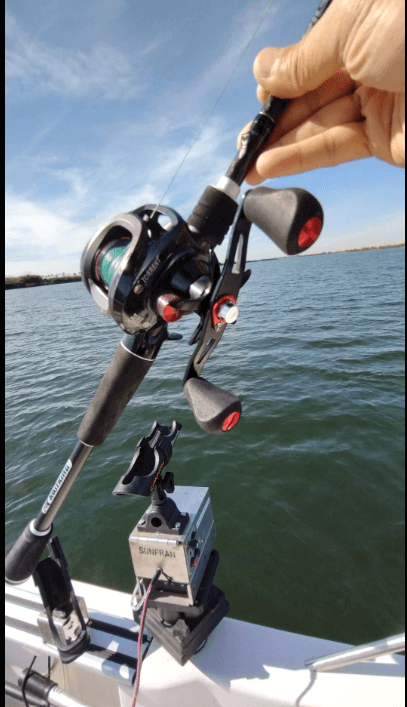
Credit: socaloceanfishing.com
Performance Considerations
Using a saltwater fishing rod in freshwater can be tricky. There are key performance considerations to keep in mind. These factors impact your fishing success. Let’s dive into some critical aspects.
Casting Distance
A saltwater rod is designed for long casting. This helps reach distant fish in the ocean. But in freshwater, this can be too much. Freshwater fishing often needs shorter, more precise casts.
Saltwater rods are usually longer and heavier. This can make casting in small lakes or rivers difficult. You may face challenges with control and accuracy. It’s important to adjust your technique accordingly.
Sensitivity
Sensitivity is vital for detecting fish bites. Saltwater rods are typically less sensitive. This is because they are built for battling larger fish. Freshwater rods, on the other hand, are designed for detecting subtle nibbles.
Using a saltwater rod in freshwater might result in missed bites. You may not feel the smaller fish as easily. This can affect your overall fishing experience and success rate.
Here is a comparison table for better understanding:
| Feature | Saltwater Rod | Freshwater Rod |
|---|---|---|
| Casting Distance | Long | Short to Medium |
| Sensitivity | Less Sensitive | Highly Sensitive |
In summary, using a saltwater rod in freshwater has its pros and cons. Your fishing technique and the type of water body play a crucial role. Keep these performance considerations in mind for a successful fishing trip.
Maintenance Tips
Using a saltwater fishing rod in freshwater is possible with proper care. Proper maintenance ensures the rod’s longevity and performance. Follow these maintenance tips to keep your rod in top shape.
Cleaning Procedures
Always clean your rod after every fishing trip. Use fresh water and a soft cloth. Gently wipe down the rod to remove any dirt or debris.
For a deeper clean, mix a mild soap with water. Use a soft brush to scrub the rod. Pay attention to the guides and reel seat. Rinse thoroughly with fresh water and let it air dry.
Never use harsh chemicals. They can damage the rod’s finish and components.
Storage Advice
Store your fishing rod in a cool, dry place. Avoid direct sunlight and extreme temperatures. These can weaken the rod material.
Use a rod rack or holder to keep it straight. Avoid leaning the rod against walls. This can cause bending or warping.
For extra protection, use a rod sleeve or tube. This helps prevent scratches and other damage.
Quick Maintenance Tips
- Inspect the rod for cracks or damage before and after use.
- Check the guides for any rough spots or wear.
- Lubricate the reel seat threads periodically to ensure smooth operation.
- Tighten all fittings and screws to avoid loosening during use.
| Task | Frequency |
|---|---|
| Basic Cleaning | After Every Use |
| Deep Cleaning | Monthly |
| Inspection | Before Each Trip |
| Lubrication | Quarterly |
Common Issues
Using a saltwater fishing rod in freshwater can lead to several common issues. These issues can affect the performance and longevity of your rod. Understanding these problems can help you make an informed decision.
Corrosion Risks
Saltwater rods are built to resist corrosion from salty environments. Freshwater does not have the same corrosive properties. Yet, the materials used in saltwater rods can still corrode. This corrosion can happen over time due to moisture and dirt.
Corrosion weakens the rod’s structure. It can also cause rust on metal parts. This makes the rod less effective and more prone to breaking.
Preventive Steps:
- Rinse the rod with fresh water after each use.
- Dry the rod thoroughly before storage.
- Apply a light coat of oil to metal parts.
Component Wear
Saltwater rods have different components from freshwater rods. These components may wear out faster in freshwater. The guides, reel seats, and handles can suffer more wear and tear.
Frequent use in freshwater can cause these parts to degrade. This makes the rod less reliable and may require frequent repairs.
Inspection Tips:
- Check the guides for cracks or grooves.
- Inspect the reel seat for signs of wear.
- Examine the handle for any damage.
Expert Opinions
Understanding whether you can use a saltwater fishing rod in freshwater often requires expert opinions. Professional anglers and fishing gear specialists provide valuable insights. Their advice can guide your decisions effectively.
Professional Anglers
Many professional anglers believe you can use a saltwater fishing rod in freshwater. They highlight that saltwater rods are built for toughness. This makes them more durable than freshwater rods.
Professional anglers also note the benefits of a saltwater rod’s strength. It can handle larger fish found in freshwater bodies. They find this advantageous in lakes and rivers with big fish.
Some anglers prefer using saltwater rods for their versatility. They say it allows them to fish in both environments without changing gear. This flexibility can save time and money.
Fishing Gear Specialists
Fishing gear specialists agree with professional anglers on the rod’s durability. They point out that saltwater rods are made from corrosion-resistant materials. This feature makes them ideal for both saltwater and freshwater use.
Specialists also emphasize the importance of the rod’s components. Saltwater rods often have stronger guides and reels. These can withstand the pressure of larger fish in freshwater too.
Some specialists suggest checking the rod’s weight and length. They advise that a lighter and shorter rod may be better for freshwater fishing. This can improve your fishing experience and reduce fatigue.
Here’s a quick comparison table:
| Feature | Saltwater Rod | Freshwater Rod |
|---|---|---|
| Durability | High | Moderate |
| Material | Corrosion-resistant | Standard |
| Strength | Very Strong | Strong |
| Versatility | High | Low |
Key points from experts indicate that saltwater fishing rods can be used in freshwater. They offer durability, strength, and versatility, making them a good choice.

Credit: m.youtube.com
Cost Implications
Understanding the cost implications of using a saltwater fishing rod in freshwater is crucial. This section will explore the initial investment and long-term costs associated with this decision. Knowing these factors can help you make an informed choice.
Initial Investment
Saltwater fishing rods are generally more expensive than freshwater rods. This is due to their durable construction and materials designed to withstand harsh saltwater conditions. A typical saltwater rod can cost between $100 and $500. In contrast, freshwater rods usually range from $20 to $150.
Here is a comparison table for clarity:
| Type of Rod | Price Range |
|---|---|
| Saltwater Rod | $100 – $500 |
| Freshwater Rod | $20 – $150 |
Choosing a saltwater rod for freshwater use means a higher initial cost. You are paying for added durability and versatility.
Long-term Costs
Using a saltwater rod in freshwater can lead to higher maintenance costs. Saltwater rods often come with parts that need regular care, like stainless steel guides and reel seats.
Here are some potential long-term costs:
- Regular cleaning: Saltwater rods need thorough cleaning even after freshwater use.
- Replacement parts: Specialized parts may wear out faster and cost more to replace.
- Professional maintenance: You might need to pay for professional services to maintain your rod.
These costs can add up over time, making the initial investment seem more significant. If you frequently switch between saltwater and freshwater, these costs could outweigh the benefits.
Versatility And Adaptability
Saltwater fishing rods are known for their strength and durability. But can they be used in freshwater environments? The answer is yes. This makes them versatile and adaptable tools for anglers. Let’s explore how these rods perform in various settings.
Multi-environment Use
Saltwater rods are built to handle the harsh sea. They can withstand strong currents and larger fish. This makes them perfect for challenging freshwater conditions. Anglers can use these rods in lakes, rivers, and ponds.
Here are some key benefits:
- Durability: These rods resist corrosion and wear.
- Strength: They can handle heavy lures and big catches.
- Flexibility: Suitable for different fishing techniques.
Adjusting Techniques
Using a saltwater rod in freshwater requires some adjustments. Here are some tips:
- Lure Selection: Use lighter lures for freshwater fish.
- Line Choice: Opt for a thinner line to improve sensitivity.
- Casting Method: Adjust your casting technique for different water bodies.
With these adjustments, your saltwater rod can be a valuable tool for freshwater fishing. Whether you’re targeting bass, trout, or pike, this rod can meet your needs.

Credit: gomexus.com
Best Practices
Using a saltwater fishing rod in freshwater can be effective. Follow these best practices to ensure success. With the right rod and proper techniques, you can enhance performance and enjoy a great fishing experience.
Choosing The Right Rod
It’s essential to select a rod that fits your needs. Saltwater rods are built for strength and durability. They can handle larger fish and rough conditions. When choosing a rod for freshwater, consider the following:
- Rod Length: Longer rods offer better casting distance.
- Rod Power: Medium power rods are versatile for various fish species.
- Rod Action: Fast action rods provide quick hook sets.
| Rod Feature | Recommendation |
|---|---|
| Length | 7-9 feet |
| Power | Medium |
| Action | Fast |
Enhancing Performance
To get the best results, focus on enhancing your rod’s performance. Here are some tips:
- Clean the rod after each use to prevent corrosion.
- Check the guides for any damage or wear.
- Use appropriate line strength for the fish you target.
- Adjust your technique for different water conditions.
By following these practices, you can maximize your fishing success. Proper care and technique are key to using a saltwater rod in freshwater.
Frequently Asked Questions
Can I Use A Saltwater Rod For Freshwater?
Yes, you can use a saltwater rod for freshwater fishing. Saltwater rods are durable and versatile, handling various conditions.
Can You Use Saltwater Fishing Lines In Freshwater?
Yes, you can use saltwater fishing lines in freshwater. They are durable and resistant to abrasion. Just ensure proper maintenance to prevent damage.
Is There A Difference Between Saltwater And Freshwater Fishing Lines?
Yes, there is a difference. Saltwater fishing lines are more durable and resistant to corrosion. Freshwater lines are lighter and less robust. Both are designed for specific environments to optimize performance.
What Is The Difference Between Freshwater And Saltwater Fishing Gear?
Freshwater gear is lighter and smaller, designed for lakes and rivers. Saltwater gear is heavier, corrosion-resistant, and built for the ocean.
Conclusion
Using a saltwater fishing rod in freshwater is possible. Ensure you rinse it thoroughly after each use. This prevents corrosion and extends the rod’s lifespan. While it’s not ideal, it can be a versatile option. Always consider the rod’s material and design for optimal performance in various environments.

I’m the owner of TroutMate and a passionate fishing enthusiast. I share hands-on guides, gear reviews, and practical tips for freshwater, saltwater, and kayak fishing. My mission is to help anglers of all levels catch more fish, explore new locations, and enjoy every trip on the water.