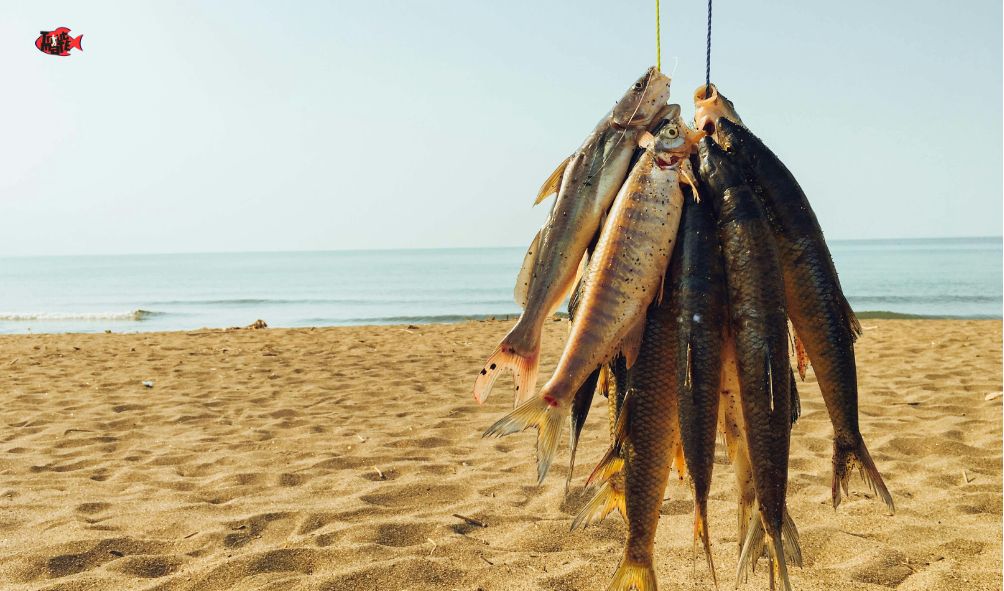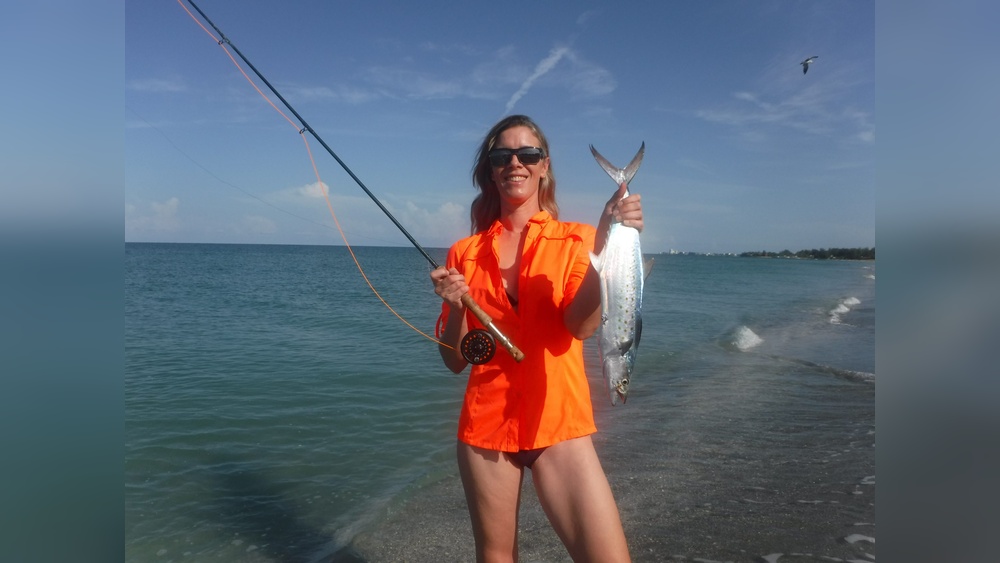
Saltwater fishing can be good after a storm. Storms stir up nutrients, attracting fish closer to the shore.
Storms often agitate the ocean, stirring up nutrients and baitfish, which in turn attract larger predatory fish closer to the shore. This increased activity can make for a more productive fishing experience. Anglers often find that fish are more active and willing to bite in the aftermath of a storm.
The key is to wait for the waters to calm slightly to ensure safety and better visibility. Checking local weather conditions and tide schedules is essential for a successful outing. Post-storm fishing can offer unique opportunities to catch a variety of species that may not be as accessible under normal conditions.
Impact Of Storms On Saltwater Fishing
Storms can significantly affect saltwater fishing conditions. Understanding these effects helps anglers plan their trips better. Storms bring rapid changes in weather and water conditions. These changes influence fish behavior and their locations.
Weather Changes
Storms cause sudden weather changes. These changes can be both positive and negative for fishing. Strong winds can stir up the water. This movement often brings nutrients to the surface. Fish might come closer to shore to feed.
After a storm, the sky often clears up. Bright sunlight can warm the water quickly. Warmer water can attract fish to shallower areas. On the other hand, storms can also bring cooler temperatures. Cooler water might push fish deeper.
Water Conditions
Storms impact water conditions in many ways. Heavy rain can cause fresh water to mix with saltwater. This mix can change the salinity levels. Some fish may move to areas where salinity is more stable.
Storms can also increase water turbidity. Mud and debris stirred up by the storm can make the water murky. Fish might find it harder to see food. This can make them more cautious and harder to catch. Alternatively, some fish might become more active in murky waters, as they feel safer from predators.
| Condition | Impact on Fishing |
|---|---|
| Increased Wind | Brings nutrients to the surface, attracts fish |
| Clear Sky | Warms water, attracts fish to shallower areas |
| Heavy Rain | Changes salinity, affects fish location |
| Murky Water | Fish are cautious, harder to catch |
Understanding these impacts can improve your fishing success. Keep an eye on weather forecasts and water conditions. Adjust your fishing strategy based on these changes.
Fish Behavior Post-storm
After a storm, fish behavior changes in interesting ways. Understanding these changes can boost your fishing success. Storms stir up the water, affecting fish feeding patterns, movement, and migration.
Feeding Patterns
Storms wash new food into the water. Fish become more active, seeking out this new food. The stirred-up water makes it easier for fish to find prey. Small fish and insects get dislodged, attracting larger fish. This increased food availability can make post-storm fishing very productive.
Movement And Migration
Storms often cause fish to move to new areas. The water temperature and oxygen levels change, prompting fish to relocate. Fish may move to deeper waters or closer to shore. Understanding these movements helps you find the best fishing spots.
| Behavior | Change After Storm |
|---|---|
| Feeding | Increased activity |
| Movement | Relocation to new areas |
| Migration | Shift to deeper or shallower waters |
- Feeding Patterns: More food availability.
- Movement: Fish relocate to favorable conditions.
- Migration: Changes in water temperature and oxygen levels.
Best Fishing Spots After A Storm
After a storm, the underwater landscape can change dramatically. Fish often move to new areas, creating exciting opportunities for anglers. Knowing where to go can make a big difference in your saltwater fishing adventure. Here are some of the best fishing spots to explore after a storm.
Inshore Vs Offshore
Inshore fishing spots can be very productive after a storm. Water near the shore often becomes enriched with nutrients, attracting a variety of fish. Look for areas where freshwater flows into the ocean. These spots often teem with fish looking for food.
Offshore fishing spots also offer great potential. After a storm, fish may congregate around structures such as oil rigs and shipwrecks. These areas provide shelter and a rich source of food. Deep-sea fishing can be especially rewarding during this time.
| Inshore Fishing Spots | Offshore Fishing Spots |
|---|---|
| River mouths | Oil rigs |
| Estuaries | Shipwrecks |
| Coastal flats | Deep-sea reefs |
Reef And Wreck Areas
Reef areas are excellent spots to explore after a storm. Storms stir up the water, bringing nutrients to the surface. This attracts small fish, which in turn attract larger predators. Coral reefs, especially, become vibrant feeding grounds.
Wreck areas are another hotspot for post-storm fishing. Sunken ships and other underwater structures offer shelter to fish. Storms can uncover hidden parts of these wrecks, making them more accessible. Fish often gather in these areas, providing great opportunities for a catch.
- Coral reefs
- Artificial reefs
- Sunken ships
- Submerged structures
After a storm, the best fishing spots can offer a rewarding experience. Whether you choose inshore or offshore, reefs or wrecks, being in the right place can lead to a successful fishing trip.
Ideal Timing For Post-storm Fishing
Saltwater fishing after a storm can be very rewarding. The storm stirs up nutrients, attracting fish closer to the shore. Knowing the best time to fish can make a big difference. This guide helps you decide the best times for post-storm fishing.
Immediate Aftermath
The moments right after a storm can be tricky. Fish are often disoriented due to the rough waters. The water can be murky, making it hard to spot fish. Yet, some fish may be more active, looking for food stirred up by the storm.
- Murky Waters: Visibility is low, so use bright lures.
- Disoriented Fish: Fish are confused, increasing the chances of a catch.
- Shoreline Activity: Fish are closer to shore, making them easier to reach.
Day After The Storm
The day after a storm is often the best time to fish. Waters start to clear up, and fish return to their normal patterns. The storm stirs up nutrients, attracting fish to feed.
- Clearer Waters: Better visibility for spotting fish.
- Increased Activity: Fish are feeding actively on stirred-up nutrients.
- Better Conditions: Calmer waters make fishing easier and more enjoyable.
| Time | Conditions | Best Practices |
|---|---|---|
| Immediate Aftermath | Murky and rough waters | Use bright lures, fish near the shore |
| Day After | Clearing waters, active fish | Fish during feeding times, use natural baits |
Gear And Equipment Recommendations
Saltwater fishing after a storm can be exciting. The water stirs up, and fish become active. To make the most of your trip, having the right gear is essential. Below are the key recommendations for tackle, bait, and safety gear.
Tackle And Bait
Using the correct tackle and bait is crucial. Fish may be more aggressive post-storm. Here are some recommendations:
- Heavy-duty Rods and Reels: The water can be rough. Heavy-duty gear helps handle larger fish.
- Strong Fishing Line: Opt for a line with high tensile strength. 20-30 lb test lines are ideal.
- Live Bait: Fish are more likely to bite on live bait. Shrimp, mullet, or menhaden work well.
- Lures: Bright, flashy lures can attract fish in murky water.
Safety Gear
Safety gear is vital for any fishing trip. After a storm, it becomes even more important. Here is a list of safety gear you should have:
- Life Jackets: Ensure everyone on board wears a life jacket.
- First Aid Kit: Always have a first aid kit ready. Include bandages, antiseptics, and pain relievers.
- Weather Radio: Stay updated on weather conditions. A weather radio can provide real-time updates.
- Emergency Flares: Carry flares for signaling in case of an emergency.
Being prepared with the right gear can make your fishing trip safe and successful. Make sure to follow these recommendations for an enjoyable experience.
Safety Tips For Post-storm Fishing
Fishing after a storm can be productive. But it comes with risks. Safety should be your top priority. Follow these tips for a safe and enjoyable fishing trip.
Weather Monitoring
Always check the weather forecast before heading out. Storms can cause sudden changes. Use reliable weather apps or websites. Look for updates on wind speed and direction. Also, pay attention to tidal information. Coastal areas can be unpredictable after a storm.
Keep an eye on the sky. Dark clouds or sudden temperature drops can signal another storm. Lightning is especially dangerous. If you see lightning, seek shelter immediately. Your safety is more important than catching fish.
Boating Precautions
Inspect your boat thoroughly. Check for any damage caused by the storm. Ensure all safety equipment is onboard. This includes life vests, flares, and a first aid kit.
Be cautious of debris in the water. Storms can push logs and other objects into your path. These can damage your boat or cause accidents. Navigate slowly and keep a lookout.
Inform someone about your trip. Let them know your route and expected return time. This way, help can reach you quickly in case of an emergency.
| Safety Equipment | Importance |
|---|---|
| Life Vests | Essential for safety |
| Flares | Signaling for help |
| First Aid Kit | Handling injuries |
Remember, your safety is the most important. Follow these tips to have a safe and enjoyable fishing trip.
Expert Angler Insights
Is saltwater fishing good after a storm? Many seasoned anglers say yes. They have unique insights and share their experiences. Learn how to maximize your fishing trips after a storm.
Pro Tips
- Check the Tide: Storms can alter tides. Fish are more active during high tides.
- Watch the Weather: Fish after the storm passes. Clear skies and calm waters are ideal.
- Use Fresh Bait: Fish are hungry after a storm. Fresh bait increases your chances.
- Find Sheltered Areas: Fish seek shelter during storms. Target these areas post-storm.
- Observe Water Color: Muddy water can hide fish. Clear water is better for visibility.
Common Mistakes
| Mistake | Solution |
|---|---|
| Ignoring Tides | Always check tide charts. Fish are more predictable during certain tides. |
| Using Old Bait | Fresh bait is crucial. Fish are more likely to bite. |
| Fishing During a Storm | Wait until the storm passes. Safety is a priority. |
| Not Adapting Techniques | Change your fishing techniques. Adjust to post-storm conditions. |
By following these expert tips, your saltwater fishing experience after a storm will be fruitful. Avoid common mistakes to improve your chances of a great catch.
Environmental Considerations
Saltwater fishing after a storm can be exciting. But it’s important to consider the environment. Storms can change the marine ecosystem. Understanding these changes helps in making responsible fishing decisions.
Marine Life Impact
Storms often stir up the waters, causing sediment to resettle. This impacts visibility, making it harder for fish to find food. Some species may become more active, while others may hide.
Baitfish populations might relocate, attracting larger predators. This can create new fishing opportunities. But it can also stress the marine life.
- Increased water turbidity
- Changed fish behavior
- Relocation of baitfish
Sustainable Practices
Practicing sustainable fishing is crucial after a storm. Overfishing can harm stressed marine life. Follow local regulations to protect vulnerable species.
Using circle hooks reduces bycatch. Catch and release methods help in conserving fish populations. Always handle fish gently to minimize harm.
| Practice | Benefit |
|---|---|
| Using circle hooks | Reduces bycatch |
| Catch and release | Conserves fish populations |
| Following regulations | Protects vulnerable species |
Stay mindful of your surroundings. Avoid fishing near coral reefs after storms. These areas are often damaged and need time to recover.
- Use sustainable gear
- Follow catch limits
- Avoid sensitive areas
By considering the environment, you contribute to a healthier marine ecosystem. This ensures enjoyable fishing experiences for years to come.
Credit: www.charterfishingdestin.com
Frequently Asked Questions
Is It Worth Fishing After A Storm?
Yes, fishing after a storm can be worth it. Fish often become more active and feed aggressively. Storms stir up the water, bringing food to the surface. Always check weather conditions to ensure safety before heading out.
Is It Good To Fish In The Ocean After It Rains?
Yes, fishing in the ocean after it rains can be productive. Rain washes nutrients into the water, attracting fish.
How Is Saltwater Fishing After A Hurricane?
Saltwater fishing after a hurricane can be challenging. Fish may scatter, and water conditions can be rough. Waiting a few days improves success.
Is It Better To Fish Before Or After A Hurricane?
Fishing is often better after a hurricane. The storm stirs up nutrients, attracting fish to feed.
Conclusion
Saltwater fishing after a storm can be highly rewarding. Fish are more active and easier to catch. Always check weather conditions and safety guidelines. Storms can stir up nutrients, attracting more fish. Prepare properly, and you could have a successful fishing trip.
Enjoy the thrill and the catch of the day!
I’m the owner of TroutMate and a passionate fishing enthusiast. I share hands-on guides, gear reviews, and practical tips for freshwater, saltwater, and kayak fishing. My mission is to help anglers of all levels catch more fish, explore new locations, and enjoy every trip on the water.