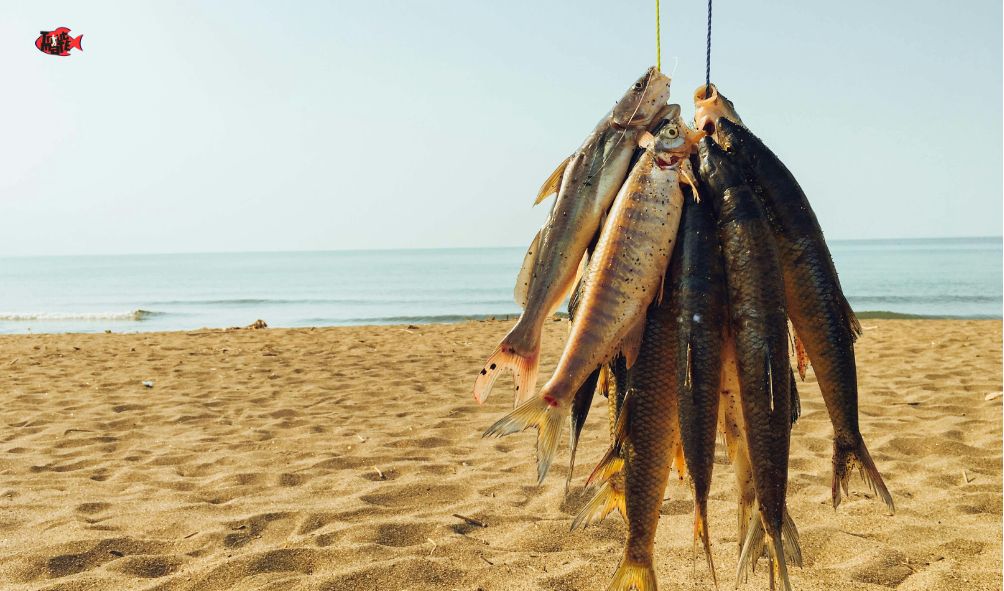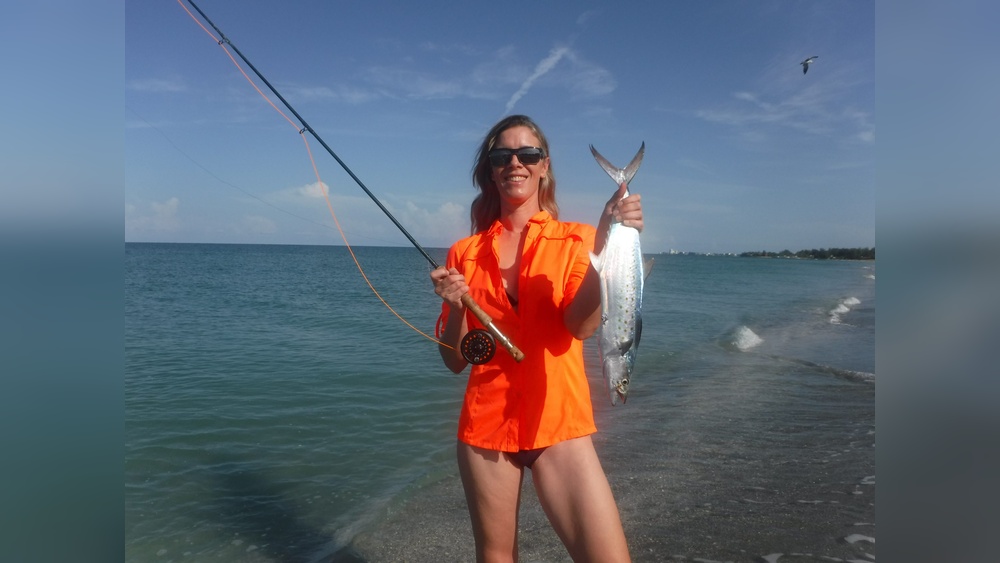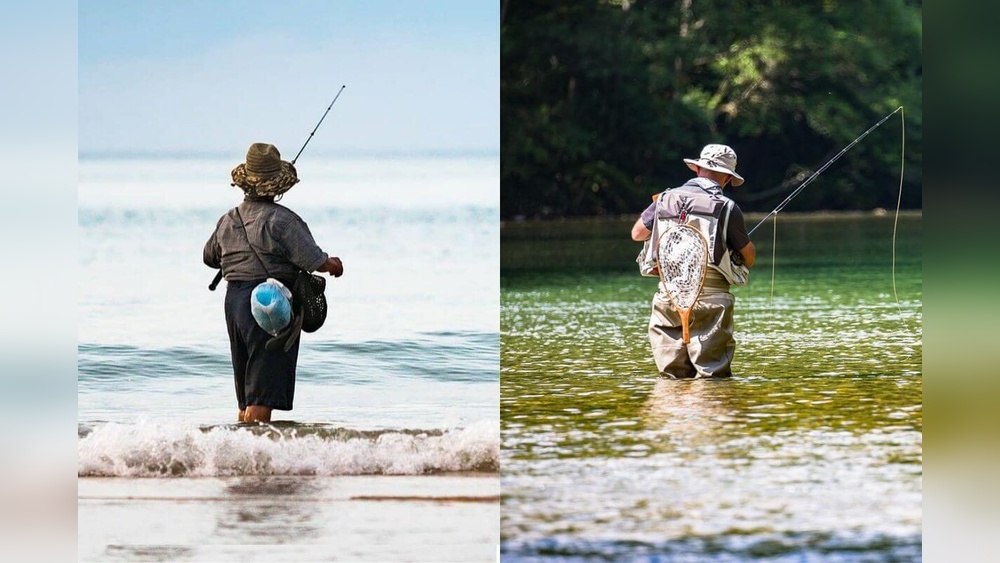
Saltwater fishing is not necessarily easier than freshwater fishing. Both present unique challenges and require specific skills.
Saltwater and freshwater fishing offer distinct experiences for anglers. Saltwater fishing typically involves larger, more powerful fish and often requires a boat and specialized gear. Freshwater fishing, on the other hand, is more accessible, with numerous lakes, rivers, and ponds available.
The techniques and bait used can differ significantly between the two, impacting the difficulty level. Anglers may find freshwater fishing more manageable due to its accessibility and less demanding conditions. Saltwater fishing can be more thrilling but requires preparation and knowledge of tides, weather, and species behavior. Ultimately, the ease of fishing depends on the angler’s experience and preferences.
Saltwater Vs Freshwater Basics
Fishing is a beloved pastime for many. Deciding between saltwater and freshwater fishing can be challenging. Both have unique characteristics and offer different experiences. Understanding the basics of each can help you choose the best fit for your fishing adventures.
Key Differences
Saltwater and freshwater fishing are distinct in several ways. Knowing these differences can enhance your fishing experience.
- Water Type: Saltwater is found in oceans and seas. Freshwater is found in lakes, rivers, and streams.
- Fish Species: Saltwater fish include tuna, marlin, and snapper. Freshwater fish include bass, trout, and catfish.
- Equipment: Saltwater fishing gear is usually more robust. Freshwater gear is often lighter and simpler.
- Fishing Locations: Saltwater fishing often requires boats. Freshwater fishing can be done from shore or small boats.
- Fishing Techniques: Saltwater techniques include trolling and deep-sea fishing. Freshwater techniques include fly fishing and baitcasting.
Common Misconceptions
There are several misconceptions about saltwater and freshwater fishing. Clearing these up can help you make an informed choice.
| Misconception | Reality |
|---|---|
| Saltwater fishing is always more challenging. | Both types have their unique challenges. |
| Freshwater fishing is only for beginners. | Freshwater fishing can be complex and rewarding. |
| Saltwater fishing requires expensive gear. | Basic gear can be sufficient for many saltwater fishing trips. |
| Freshwater fish are smaller and less exciting. | Some freshwater fish are large and offer a thrilling catch. |
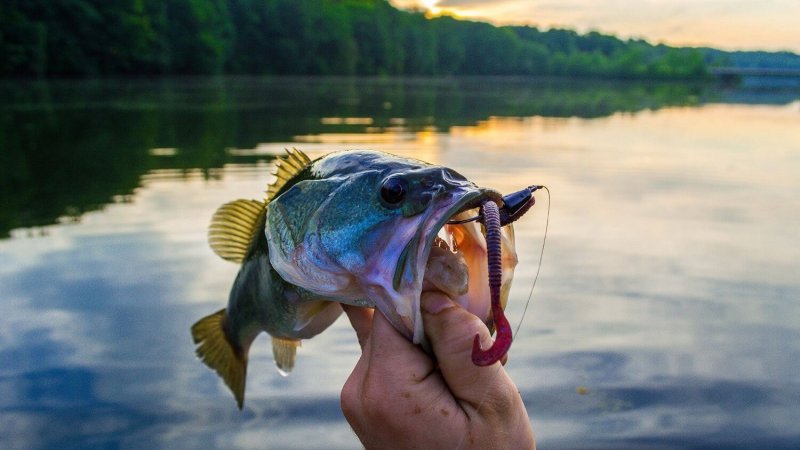
Credit: ioutdoor.com
Equipment Needed
Fishing in saltwater and freshwater requires different gear. The equipment you use can greatly impact your fishing experience. Knowing the right gear for each type of fishing is essential. Below are the details of the necessary equipment for both saltwater and freshwater fishing.
Saltwater Gear
Fishing in saltwater demands robust and corrosion-resistant gear. The salt in the water can damage equipment quickly. Here are the essential items you need:
- Saltwater Rods and Reels: Use strong and durable rods. Reels should be sealed and corrosion-resistant.
- Fishing Line: Braided lines are preferred. They offer strength and durability.
- Hooks and Lures: Use non-corrosive materials. Stainless steel hooks and saltwater-specific lures are best.
- Tackle Box: A waterproof tackle box helps protect your gear.
- Protective Gear: Wear UV-protection clothing. Sunglasses and a hat are also recommended.
Freshwater Gear
Freshwater fishing often involves lighter and less durable gear. The environment is less harsh on the equipment. Here is what you need:
- Freshwater Rods and Reels: Lighter and more flexible rods are ideal. Reels do not need to be sealed.
- Fishing Line: Monofilament lines are common. They offer adequate strength and flexibility.
- Hooks and Lures: Use freshwater-specific hooks and lures. They are designed to attract freshwater fish.
- Tackle Box: A standard tackle box suffices. Ensure it is organized and easy to carry.
- Protective Gear: Basic protective clothing is enough. Consider weather-appropriate attire.
Choosing the right equipment can make your fishing experience more enjoyable and successful. Whether you fish in saltwater or freshwater, having the right gear is crucial. Ensure you are well-prepared for the type of fishing you plan to do.
Types Of Fish
Fishing enthusiasts often debate whether saltwater fishing is easier than freshwater fishing. One crucial factor in this debate is the types of fish you can catch. Different fish species inhabit saltwater and freshwater environments. Understanding these can help you decide which type of fishing suits your skills and preferences.
Saltwater Species
Saltwater fishing offers a wide variety of fish. These include:
- Marlin: Known for its long, spear-like snout.
- Tuna: Fast swimmers and often large in size.
- Red Snapper: Found near reefs and wrecks.
- Flounder: A flatfish with both eyes on one side of its body.
- Shark: Large and powerful, requires strong gear.
These fish often require different techniques and equipment. For instance, catching a shark needs heavy-duty rods and reels. On the other hand, flounder can be caught using lighter gear.
Freshwater Species
Freshwater fishing also offers a variety of fish. Some popular freshwater species are:
- Bass: Known for its aggressive behavior.
- Trout: Found in cool, clean streams and lakes.
- Catfish: Bottom-dwellers, often in murky waters.
- Perch: Small but plentiful, good for beginners.
- Pike: Known for its sharp teeth and quick strikes.
Freshwater fish often require different tactics. For example, trout fishing often involves fly fishing techniques. In contrast, bass fishing might need crankbaits or soft plastics.
| Fish Type | Saltwater | Freshwater |
|---|---|---|
| Common Species | Marlin, Tuna, Shark | Bass, Trout, Catfish |
| Gear | Heavy-duty rods, reels | Light to medium rods |
| Techniques | Deep-sea fishing, trolling | Fly fishing, baitcasting |
Understanding the different species you can catch in saltwater and freshwater can make your fishing experience more enjoyable. Choose the right gear and techniques based on the fish you aim to catch.
Fishing Techniques
Fishing can be an exciting adventure. Whether you fish in saltwater or freshwater, you need the right techniques. These methods help catch the best fish and enjoy the experience. Let’s explore the different techniques used in both environments.
Saltwater Methods
Saltwater fishing offers a variety of methods. Each method targets different fish species.
- Surf Fishing: This involves fishing from shorelines. It’s great for catching species like redfish and bluefish.
- Deep Sea Fishing: This technique requires a boat. It targets bigger fish like marlin and tuna.
- Fly Fishing: Anglers use special rods and artificial flies. It’s popular for catching species like tarpon and bonefish.
Saltwater methods often require specialized gear. Stronger rods and reels help handle larger fish. Saltwater can corrode equipment, so using the right tools is essential.
Freshwater Methods
Freshwater fishing also offers diverse techniques. Anglers can use different methods depending on the fish species.
- Bank Fishing: This is fishing from the shore. It’s common to catch bass, catfish, and trout.
- Boat Fishing: Using a small boat, anglers can access deeper waters. It’s effective for catching larger freshwater fish.
- Ice Fishing: This unique method involves fishing through holes in the ice. It’s popular in cold regions for catching species like walleye and pike.
Freshwater methods often require lighter gear. Rods and reels are designed for smaller fish. Unlike saltwater gear, freshwater gear doesn’t need to be corrosion-resistant.
Challenges In Saltwater
Saltwater fishing offers a thrilling experience. Yet, it comes with its own set of challenges. Understanding these can help you become a better angler. Below are some of the key challenges in saltwater fishing.
Weather Conditions
Weather conditions can be very unpredictable in saltwater environments. Storms can appear suddenly. High winds and rough seas make fishing difficult. It’s crucial to check the weather forecast before heading out.
Here’s a quick guide to understanding weather challenges:
| Condition | Impact |
|---|---|
| High Winds | Make it hard to control your boat |
| Storms | Force you to return to shore |
| Temperature Changes | Affect fish behavior and location |
Tidal Influences
Tides play a significant role in saltwater fishing. They affect fish movement and feeding times. Understanding the tides can improve your catch rate.
Here’s how tides influence fishing:
- High Tide: Fish move closer to shore
- Low Tide: Fish move to deeper waters
- Slack Tide: Best time for certain species
Use tide charts to plan your fishing trip. Knowing the tide schedule helps you be in the right place at the right time.
Challenges In Freshwater
Freshwater fishing presents unique challenges to anglers. These include dealing with water clarity and understanding fish behavior. Each aspect requires specific skills and knowledge.
Water Clarity
Water clarity impacts how fish see bait. Clear water makes fish more cautious. They spot anglers easily, which makes catching them harder.
Murky water can also be tricky. Fish rely on other senses to find food. Anglers need to use lures that create vibrations or scents.
Fish Behavior
Freshwater fish have different behaviors. They react to changes in temperature and light. Anglers must know the habits of each species.
Some fish are active during specific times. Bass, for example, feed early in the morning. Knowing these patterns increases your chances of success.
Fish also hide in structures like rocks and logs. Anglers should learn to spot these hiding places. This skill helps in locating fish more effectively.
Best Locations
Choosing the right location is crucial for a successful fishing trip. Whether you prefer saltwater or freshwater fishing, the best spots can make all the difference. Here, we explore some of the top locations for both types of fishing.
Top Saltwater Spots
Saltwater fishing offers a wide range of species and environments. Here are some of the best spots:
- Florida Keys: Known for its diverse marine life. Perfect for both beginners and pros.
- Outer Banks, North Carolina: Offers excellent surf fishing and deep-sea adventures.
- Montauk, New York: Famous for its striped bass and bluefish.
- San Diego, California: Great for tuna and yellowtail fishing.
- Gulf Shores, Alabama: Ideal for redfish and speckled trout.
Top Freshwater Spots
Freshwater fishing can be equally rewarding. Let’s look at some top spots:
| Location | Features |
|---|---|
| Lake Erie, Ohio | Known for walleye and smallmouth bass. |
| Lake Okeechobee, Florida | Famous for largemouth bass fishing. |
| Lake Tahoe, California/Nevada | Offers trout and salmon fishing. |
| Lake Fork, Texas | Renowned for trophy bass. |
| Boundary Waters, Minnesota | Great for canoe fishing and diverse species. |

Credit: m.youtube.com
Cost And Accessibility
Fishing enthusiasts often debate whether saltwater fishing is easier than freshwater fishing. One crucial factor to consider is the cost and accessibility of each type. Understanding the expenses and ease of access can help you decide which is more suitable for you.
Saltwater Costs
Saltwater fishing can be more expensive than freshwater fishing. The equipment, such as rods and reels, needs to withstand corrosive saltwater. This often means higher prices. Additionally, saltwater fishing usually requires a boat, which involves costs for purchase, maintenance, and fuel.
Here are some typical costs associated with saltwater fishing:
- Rods and Reels: $100-$500
- Boats: $5,000-$50,000
- Maintenance: $500-$2,000 annually
- Fuel: $50-$200 per trip
Saltwater fishing licenses can also add to the cost. In many regions, you need a specific license to fish in saltwater.
Freshwater Costs
Freshwater fishing is generally more affordable. The equipment is less specialized and thus cheaper. Many freshwater fishing spots are accessible from the shore, eliminating the need for a boat.
Here are some typical costs associated with freshwater fishing:
- Rods and Reels: $30-$200
- Boats (optional): $500-$10,000
- Maintenance: $100-$500 annually
- Fuel (optional): $10-$50 per trip
Freshwater fishing licenses are usually cheaper than saltwater licenses. In some areas, they are even free for certain groups, like children or seniors.
Environmental Impact
Fishing impacts the environment in many ways. Both saltwater and freshwater fishing have unique challenges. Conservation is key to protect these ecosystems.
Saltwater Conservation
Saltwater ecosystems are vast and diverse. They host many species. Overfishing is a major issue here. It can lead to a decline in fish populations.
Marine protected areas (MPAs) help conserve these species. They restrict human activities to reduce damage. MPAs cover various habitats like coral reefs and mangroves.
Sustainable fishing practices are crucial. These include catch limits and size restrictions. Fishermen should also avoid bycatch. Bycatch is the capture of non-target species.
Freshwater Conservation
Freshwater ecosystems are smaller but equally important. They are sensitive to pollution and habitat destruction. Invasive species pose a threat. They can disrupt native fish populations.
Habitat restoration is essential. This involves cleaning rivers and lakes. It also includes planting native vegetation. These efforts improve water quality.
Fishing regulations are vital. They ensure sustainable fish populations. This includes seasonal closures and bag limits. Anglers should follow these rules.
| Type | Main Issues | Conservation Efforts |
|---|---|---|
| Saltwater | Overfishing, Bycatch | MPAs, Sustainable Practices |
| Freshwater | Pollution, Invasive Species | Habitat Restoration, Regulations |
Final Thoughts
Choosing between saltwater and freshwater fishing depends on many factors. Each has its unique challenges and rewards. Let’s look at personal preferences and how to make the right choice.
Personal Preferences
Your personal preferences play a big role. Some anglers love the thrill of the ocean. Others enjoy the calm of lakes and rivers.
Consider these points:
- Adventure: Saltwater fishing often offers bigger fish and more adventure.
- Tranquility: Freshwater fishing can be more peaceful and relaxing.
- Accessibility: Freshwater spots are usually closer to home.
Making The Choice
Choosing between the two types of fishing can be tough. Here are some tips to help:
- Think about what you enjoy more: adventure or relaxation.
- Consider your location and what is more accessible to you.
- Look at the equipment you have or plan to buy.
Here’s a quick comparison:
| Criteria | Saltwater Fishing | Freshwater Fishing |
|---|---|---|
| Fish Size | Larger fish | Smaller fish |
| Location | Oceans and seas | Lakes and rivers |
| Difficulty | More challenging | Less challenging |
In the end, both types of fishing offer their own joys. Whether you choose saltwater or freshwater, the experience will be rewarding.
Frequently Asked Questions
Is It Easier To Catch Fish In Saltwater Or Freshwater?
Catching fish can vary based on experience and location. Freshwater fishing is often easier for beginners due to calmer waters.
Are Saltwater Or Freshwater Fish Easier?
Freshwater fish are generally easier to care for than saltwater fish. They require less maintenance and simpler tank setups.
Is Saltwater Fishing Hard?
Saltwater fishing can be challenging. Success depends on knowledge, skill, and equipment. Beginners may find it difficult initially.
Why Do Saltwater Fish Taste Better Than Freshwater?
Saltwater fish often taste better due to their varied diet and higher mineral content. This enhances their flavor and texture.
Conclusion
Choosing between saltwater and freshwater fishing depends on your preferences and skills. Each offers unique challenges and rewards. Consider what excites you more: the vast ocean or the serene lakes and rivers. Ultimately, the best choice is the one that brings you the most joy and satisfaction.
Happy fishing!
I’m the owner of TroutMate and a passionate fishing enthusiast. I share hands-on guides, gear reviews, and practical tips for freshwater, saltwater, and kayak fishing. My mission is to help anglers of all levels catch more fish, explore new locations, and enjoy every trip on the water.