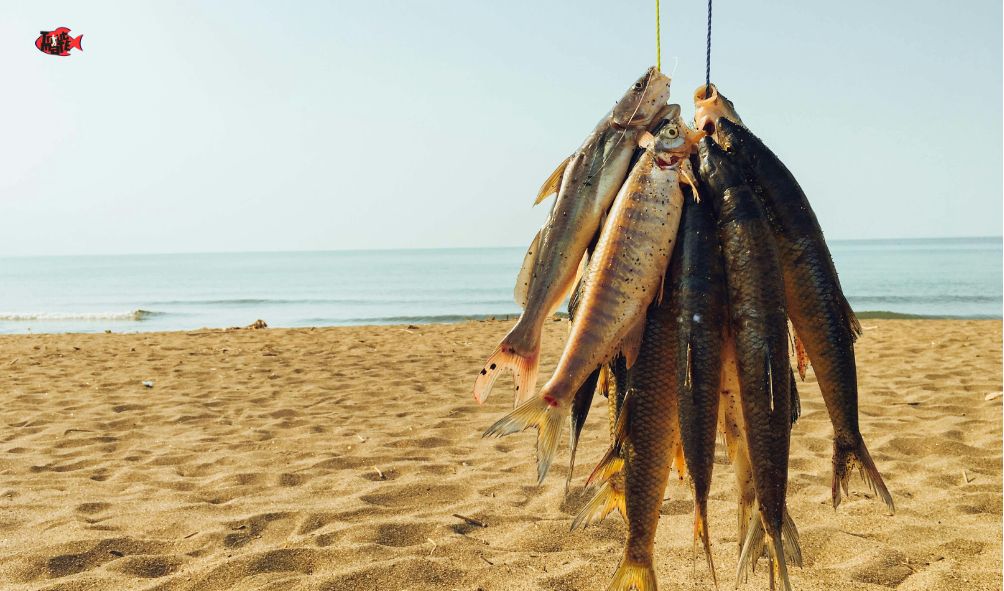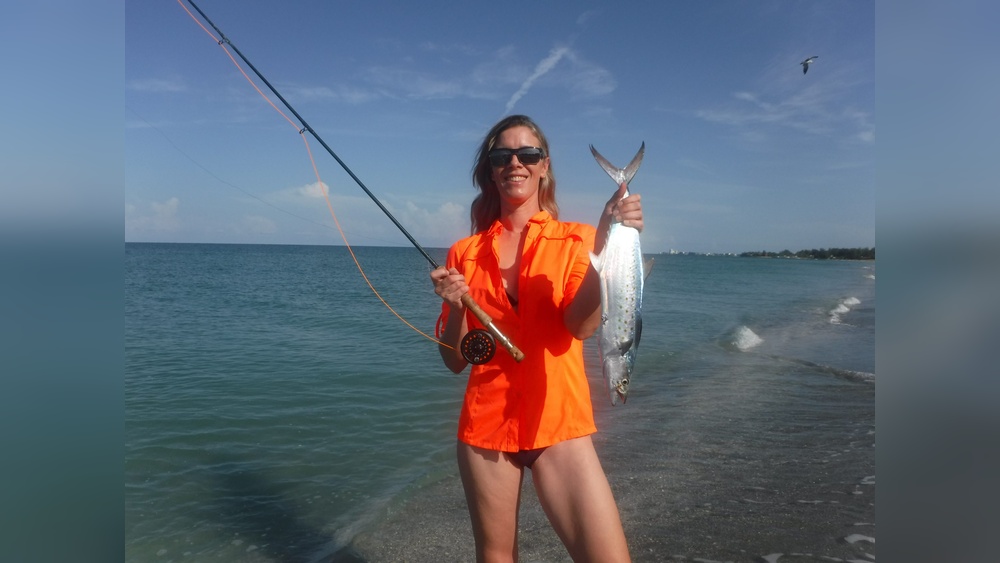
Yes, you can use worms for saltwater fishing. They are effective bait for catching various saltwater species.
Saltwater fishing enthusiasts often turn to worms as a reliable bait option. Worms like bloodworms and sandworms are particularly popular among anglers. These worms emit a natural scent and movement that attract saltwater fish such as striped bass, flounder, and sea trout.
Worms are easy to hook and handle, making them convenient for both novice and experienced fishermen. Their availability in bait shops and online stores adds to their appeal. Using worms can increase your chances of a successful fishing trip, as many saltwater fish find them irresistible. Always ensure to choose the right type of worm for the specific fish species you are targeting.
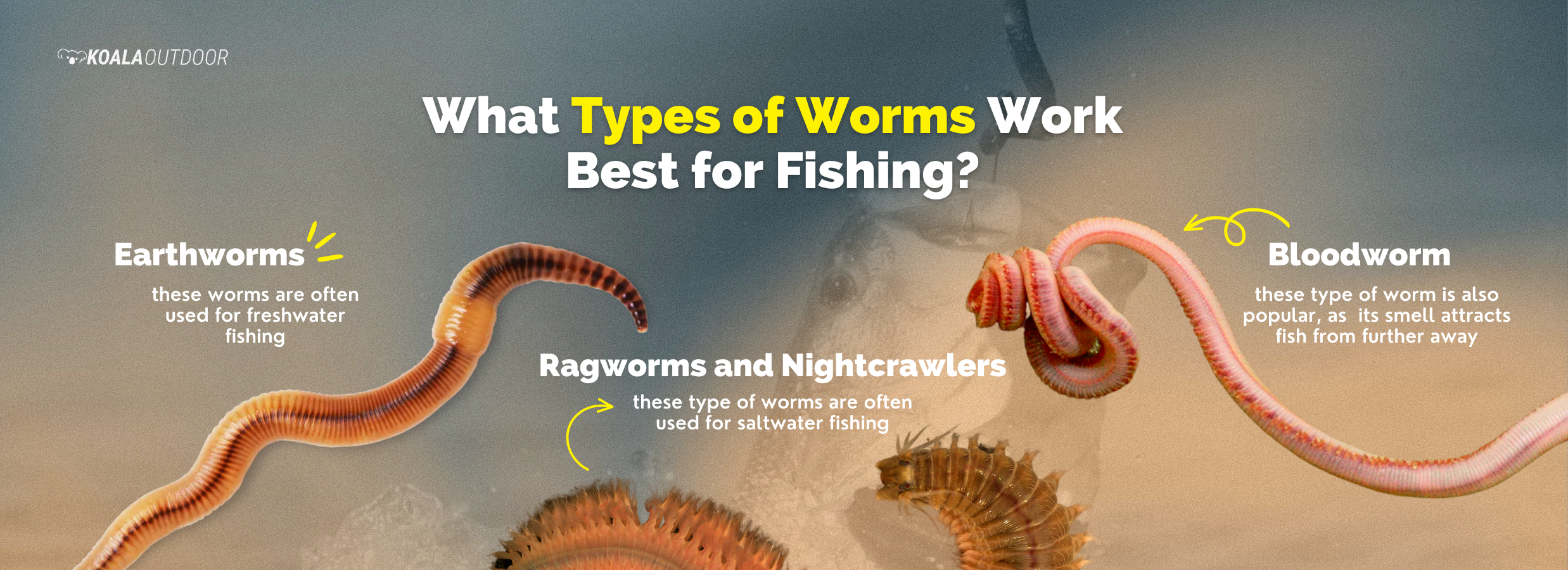
Credit: www.koalaoutdoor.com.au
Worms In Saltwater Fishing
Saltwater fishing enthusiasts often wonder if worms can be a good bait. The answer is yes! Some worms work well for catching various saltwater fish species. Let’s explore the common types and their suitability.
Common Types
Several types of worms are ideal for saltwater fishing. Each type attracts different fish species. Below are some common types:
- Bloodworms: These worms are very popular among saltwater anglers. They have a bright red color, which makes them highly visible in water.
- Sandworms: These worms are another favorite for saltwater fishing. They mimic the natural prey of many saltwater fish.
- Nightcrawlers: Though primarily used in freshwater, they can also be effective in saltwater environments.
Suitability
Suitability of worms depends on the target fish species and water conditions. Here’s a simple table to help:
| Worm Type | Suitable For | Best Conditions |
|---|---|---|
| Bloodworms | Striped Bass, Flounder | Clear, Shallow Waters |
| Sandworms | Bluefish, Sea Trout | Muddy, Coastal Waters |
| Nightcrawlers | Catfish, Bass | Brackish Waters |
Using the right worm can make your saltwater fishing trip successful. Always choose worms that match your target fish and water conditions.
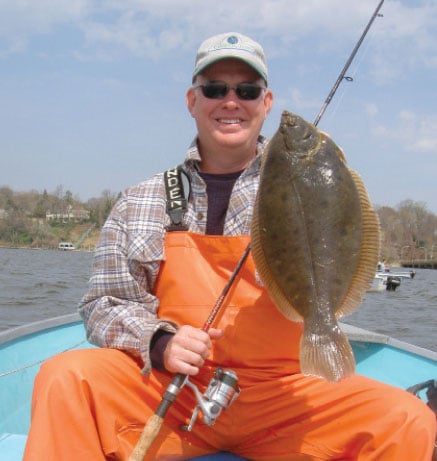
Credit: www.thefisherman.com
Benefits Of Using Worms
Fishing with worms is a great way to catch saltwater fish. Worms are natural and attractive to many fish species. They can help you catch specific types of fish. Let’s explore the benefits of using worms for saltwater fishing.
Natural Bait Advantages
Worms are natural bait. Fish are used to finding worms in the wild. This makes them more likely to bite. Worms have a scent that attracts fish. Their movement in the water is also enticing.
- Natural scent attracts fish.
- Movement mimics real prey.
- Readily available and easy to store.
Attracting Specific Fish
Different fish species are attracted to worms. Some fish prefer the taste of worms. Using worms can help you target specific fish.
| Fish Species | Attraction to Worms |
|---|---|
| Striped Bass | High |
| Flounder | Medium |
| Red Drum | High |
Using worms can increase your chances of catching these fish. Worms are versatile and can be used in different fishing techniques. This makes them a great choice for any angler.
Choosing The Right Worms
Worms can be a great bait for saltwater fishing. But not all worms are the same. Choosing the right ones can make your fishing trip successful. Let’s dive into the best species and whether to use live or artificial worms.
Best Species
Some worms work better in saltwater. Here are the top choices:
- Bloodworms: These are popular. Fish love their scent and taste.
- Sandworms: Great for many saltwater fish. Easy to find and use.
- Ragworms: They move a lot. This attracts fish quickly.
Bloodworms and sandworms are often the best choices. They attract many types of fish. Ragworms are also good but might be harder to find.
Live Vs. Artificial
Should you use live worms or artificial ones? Here are the pros and cons:
| Live Worms | Artificial Worms | |
|---|---|---|
| Pros |
|
|
| Cons |
|
|
Live worms often work better. They have a natural scent and movement. But artificial worms are easier to handle and store.
Preparing Worms For Fishing
Saltwater fishing with worms can be very effective. It involves careful preparation to ensure success. This section covers the key steps to prepare worms for your fishing adventure.
Proper Storage
Proper storage keeps worms fresh and lively.
- Use a container with a secure lid.
- Fill the container with moist soil or damp newspaper.
- Store the container in a cool, dark place.
- Check the moisture level regularly.
- Keep the container away from direct sunlight.
Ensure the storage temperature is between 50°F and 60°F. This keeps worms active and ready for fishing.
Hooking Techniques
Mastering hooking techniques can increase your catch rate.
- Choose the right hook size.
- Thread the worm onto the hook carefully.
- Insert the hook through the worm’s head.
- Wrap the worm around the hook.
- Ensure the worm covers the hook completely.
These steps help present the worm naturally in the water. This makes it more attractive to fish.
Expert Tips For Success
Using worms for saltwater fishing can be very effective. To increase your chances, follow these expert tips. We will cover the best locations, timing, and how tides affect your fishing experience.
Location Selection
Choosing the right location is key. Saltwater fish have specific habitats. Knowing where they are can help you catch more fish. Look for areas with:
- Rocks and reefs
- Seagrass beds
- Piers and docks
Fish love to hide in these places. They provide food and shelter. Use a map to find these spots. Locals can also give you tips on the best spots.
Timing And Tides
Timing your fishing trip is crucial. Fish are more active during certain times. Early morning and late afternoon are the best times. Fish are looking for food during these hours.
Tides also play a big role. Fish move with the tides. Check tide charts before you go. The best fishing happens during:
- Incoming tides
- High tides
These tides bring more fish closer to shore. You have a better chance of catching fish.
Alternative Bait Options
Exploring alternative bait options can enhance your saltwater fishing experience. While worms are a common choice, other baits might increase your chances of a successful catch. Here, we delve into some popular alternatives and compare their effectiveness.
Popular Alternatives
- Squid: A versatile bait, squid attracts a variety of saltwater fish.
- Shrimp: Effective and readily available, shrimp is a favorite among anglers.
- Crabs: Crabs can be irresistible to larger predatory fish.
- Clams and Mussels: These baits are great for bottom feeders.
- Cut Bait: Pieces of fish, like mackerel or mullet, can attract big game fish.
Comparing Effectiveness
| Bait Type | Effectiveness | Best For |
|---|---|---|
| Squid | High | General saltwater fishing |
| Shrimp | High | Variety of fish species |
| Crabs | Medium | Large predatory fish |
| Clams and Mussels | Medium | Bottom feeders |
| Cut Bait | High | Big game fish |
Each bait option has its own merits. Squid and shrimp are highly effective and versatile. Crabs and clams cater to specific fish types. Cut bait is perfect for targeting large fish. Choose the bait that best suits your fishing needs to maximize your success.
Environmental Considerations
Fishing with worms in saltwater presents several environmental concerns. It’s important to understand the impact of using worms on marine ecosystems. This section covers sustainable practices and the potential impact on ecosystems.
Sustainable Practices
Practising sustainable fishing helps protect marine life. Using worms responsibly ensures minimal harm to the environment. Here are some sustainable practices to follow:
- Use locally sourced worms: Reduce the risk of introducing non-native species.
- Avoid overharvesting: Collect only the number of worms needed.
- Opt for biodegradable containers: Reduce plastic waste in the oceans.
- Follow local regulations: Ensure compliance with fishing laws.
Impact On Ecosystems
Using worms for saltwater fishing affects marine ecosystems in various ways. Understanding these impacts helps minimize negative effects:
| Impact | Description |
|---|---|
| Disruption of food chains | Overharvesting worms can affect species that depend on them for food. |
| Introduction of non-native species | Using non-local worms can disrupt the balance of marine ecosystems. |
| Waste and Pollution | Improper disposal of bait containers can lead to ocean pollution. |
It’s crucial to consider these environmental aspects for responsible fishing. By adopting sustainable practices and understanding the ecosystem impacts, anglers can fish responsibly.

Credit: www.youtube.com
Common Mistakes To Avoid
Using worms for saltwater fishing can be very effective. Yet, many anglers make mistakes that can cost them their catch. Being aware of these common mistakes helps you avoid them. This section will highlight two primary areas: Handling Errors and Improper Storage.
Handling Errors
How you handle worms affects their effectiveness. Here are some common mistakes:
- Overhandling: Touching worms too much can stress them.
- Rough Handling: Squeezing or dropping worms can injure them.
- Improper Baiting: Hooking worms incorrectly can make them less lively.
Use a soft touch. Handle worms gently to keep them active. Always wash your hands before handling worms. This removes oils and chemicals that could harm them.
Improper Storage
Storing worms properly ensures they remain fresh and effective. Avoid these storage mistakes:
- Wrong Temperature: Keep worms cool but not frozen.
- Inadequate Moisture: Worms need a moist environment.
- Overcrowding: Too many worms in one container can cause stress.
Follow these tips for proper storage:
- Use a ventilated container.
- Keep bedding moist but not soaked.
- Store in a cool, dark place.
Proper storage keeps worms lively and ready for fishing.
Frequently Asked Questions
What Is The Best Bait For Saltwater Fishing?
Live shrimp, cut bait, and squid are top choices for saltwater fishing. These baits attract various fish species effectively.
Do Artificial Worms Work In Saltwater?
Yes, artificial worms work in saltwater. They attract various saltwater fish species, mimicking natural prey effectively. Proper presentation improves success.
Can I Use Worms As Fishing Bait?
Yes, you can use worms as fishing bait. They are effective for catching various fish species. Worms attract fish with their movement and scent. Many anglers prefer worms because they are easy to find and use.
Can You Feed Saltwater Fish Earthworms?
Feeding saltwater fish earthworms is not recommended. Earthworms lack the proper nutrients for saltwater fish. Use marine-specific foods instead.
Conclusion
Using worms for saltwater fishing can be effective. They attract a variety of fish species. It’s essential to choose the right type of worm. Experiment with different bait options to see what works best. Happy fishing and tight lines!

I’m the owner of TroutMate and a passionate fishing enthusiast. I share hands-on guides, gear reviews, and practical tips for freshwater, saltwater, and kayak fishing. My mission is to help anglers of all levels catch more fish, explore new locations, and enjoy every trip on the water.