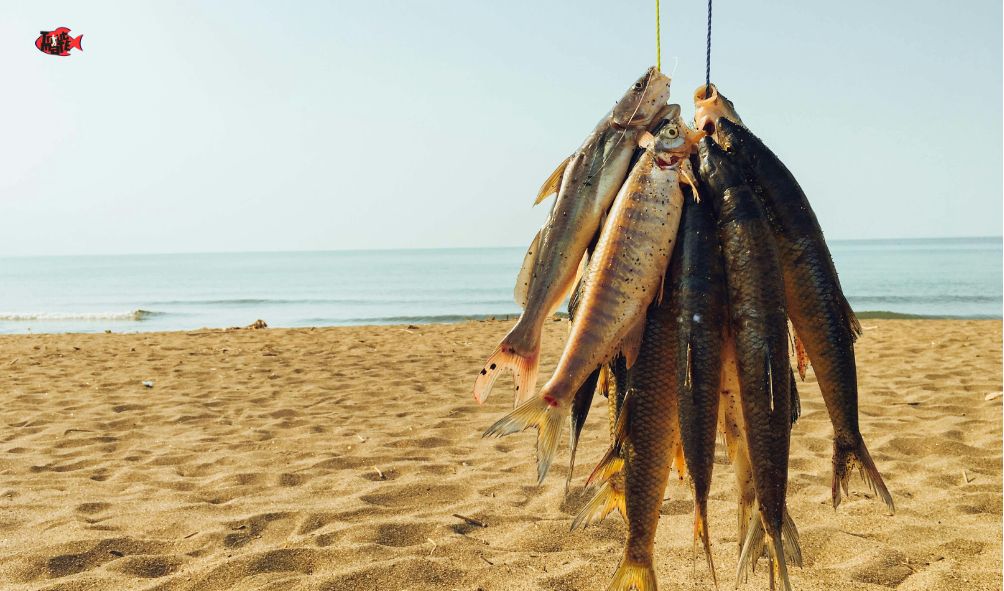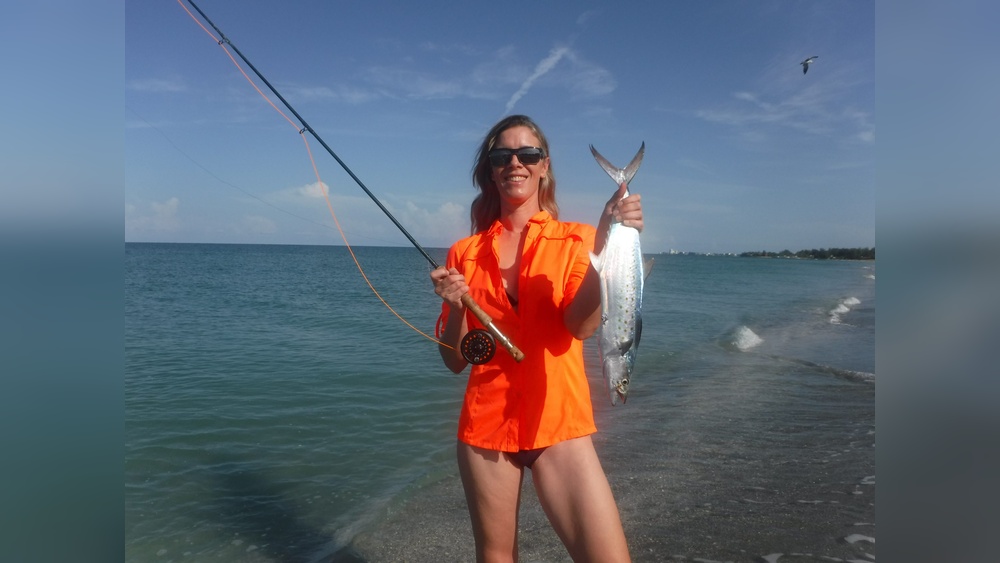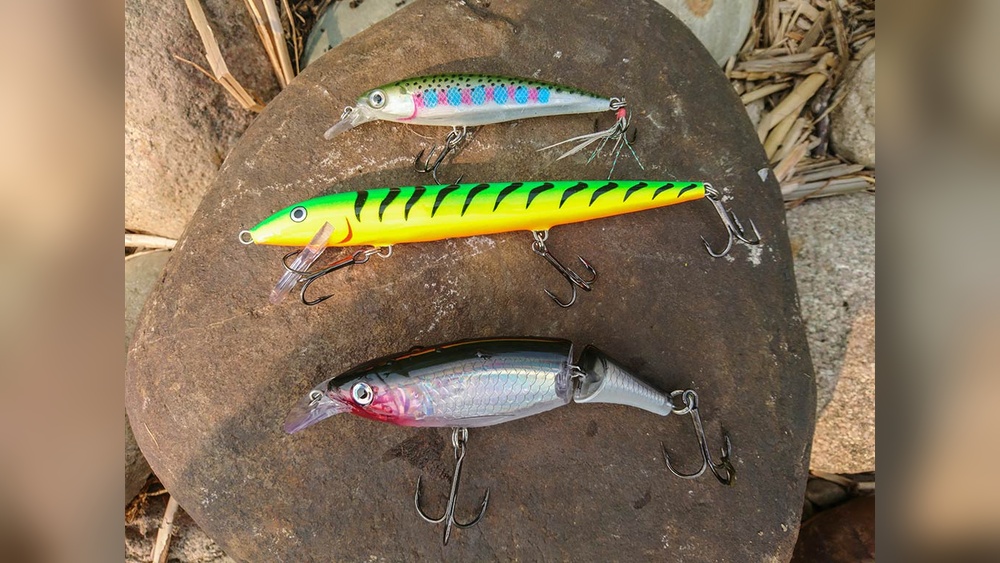
The best baits for saltwater shore fishing are live shrimp, cut bait, and squid. Artificial lures also work well.
Saltwater shore fishing offers an exciting and accessible way to catch various fish species. Choosing the right bait can significantly impact your success. Live shrimp are highly effective due to their natural scent and movement. Cut bait, such as pieces of fish, attracts larger predatory fish.
Squid is another excellent option, known for its durability on the hook and enticing scent. Artificial lures mimic the appearance and movement of small fish, making them attractive to a wide range of species. By understanding and utilizing these bait options, anglers can enhance their shore fishing experience and increase their chances of a fruitful catch.
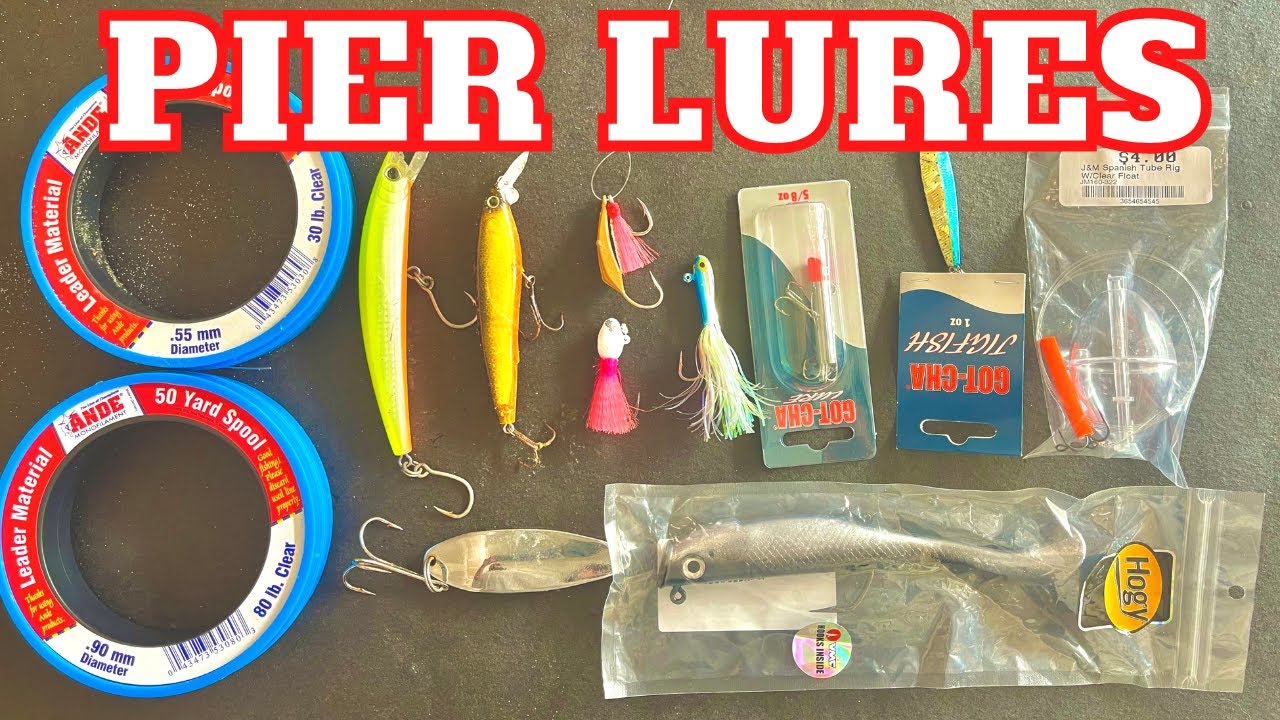
Credit: m.youtube.com
Choosing The Right Bait
Choosing the right bait for saltwater shore fishing can be challenging. The correct bait can be the difference between a successful day and going home empty-handed. Understanding the difference between natural and artificial bait and matching bait to the target species is key. Let’s dive into these aspects to ensure you have a productive fishing experience.
Natural Vs. Artificial
Natural bait often attracts more fish. It mimics the food they usually eat. Common natural baits include:
- Live shrimp: Great for a variety of saltwater fish.
- Cuts of squid: Good for bottom feeders like snapper and grouper.
- Crabs: Excellent for targeting species like redfish and black drum.
Artificial bait, on the other hand, offers convenience and longevity. These baits are designed to imitate the movement and appearance of natural prey. Popular artificial baits include:
- Soft plastic lures: Versatile and effective for many species.
- Metal spoons: Ideal for fast-moving fish like mackerel.
- Topwater plugs: Great for attracting fish that hunt near the surface.
Matching Bait To Target Species
Matching your bait to the target species maximizes your chances of success. Different fish prefer different types of food. Here’s a quick guide:
| Target Species | Preferred Bait |
|---|---|
| Redfish | Crabs, Shrimp, Cut bait |
| Speckled Trout | Live shrimp, Soft plastics |
| Flounder | Live minnows, Soft plastic jigs |
| Striped Bass | Live eels, Cut bait |
Always consider the local fish diet and seasonal availability of bait. This ensures you use what the fish are currently feeding on.
Popular Natural Baits
Using natural baits can make your saltwater shore fishing more successful. Fish often find these baits irresistible. Here are some popular natural baits you should consider.
Live Shrimp
Live shrimp are among the most effective natural baits. Many saltwater species, like redfish and speckled trout, find shrimp irresistible. Hook the shrimp through its tail or horn for the best results.
Live shrimp can be used with various rigs, such as:
- Carolina rig
- Popping cork
- Free-line rig
Cut Bait
Cut bait is another excellent choice for shore fishing. It involves using pieces of fish to attract larger predators. Common fish used for cut bait include:
- Mullet
- Menhaden
- Squid
Cut bait works well for attracting sharks, bluefish, and striped bass. Ensure the pieces are fresh and oily to maximize their scent in the water.
Crabs And Sand Fleas
Crabs and sand fleas are perfect for targeting bottom feeders. Fish like pompano and sheepshead love these baits. Use small hooks to secure them properly. You can find sand fleas by digging in the wet sand near the shore.
Crabs can be used whole or in parts. Cut larger crabs into pieces for better results. This method works well for attracting redfish and black drum.
Effective Artificial Baits
Artificial baits are essential for successful saltwater shore fishing. They mimic real prey and attract fish effectively. Understanding which artificial baits work best can boost your catch rate. Below, we explore some top choices.
Soft Plastics
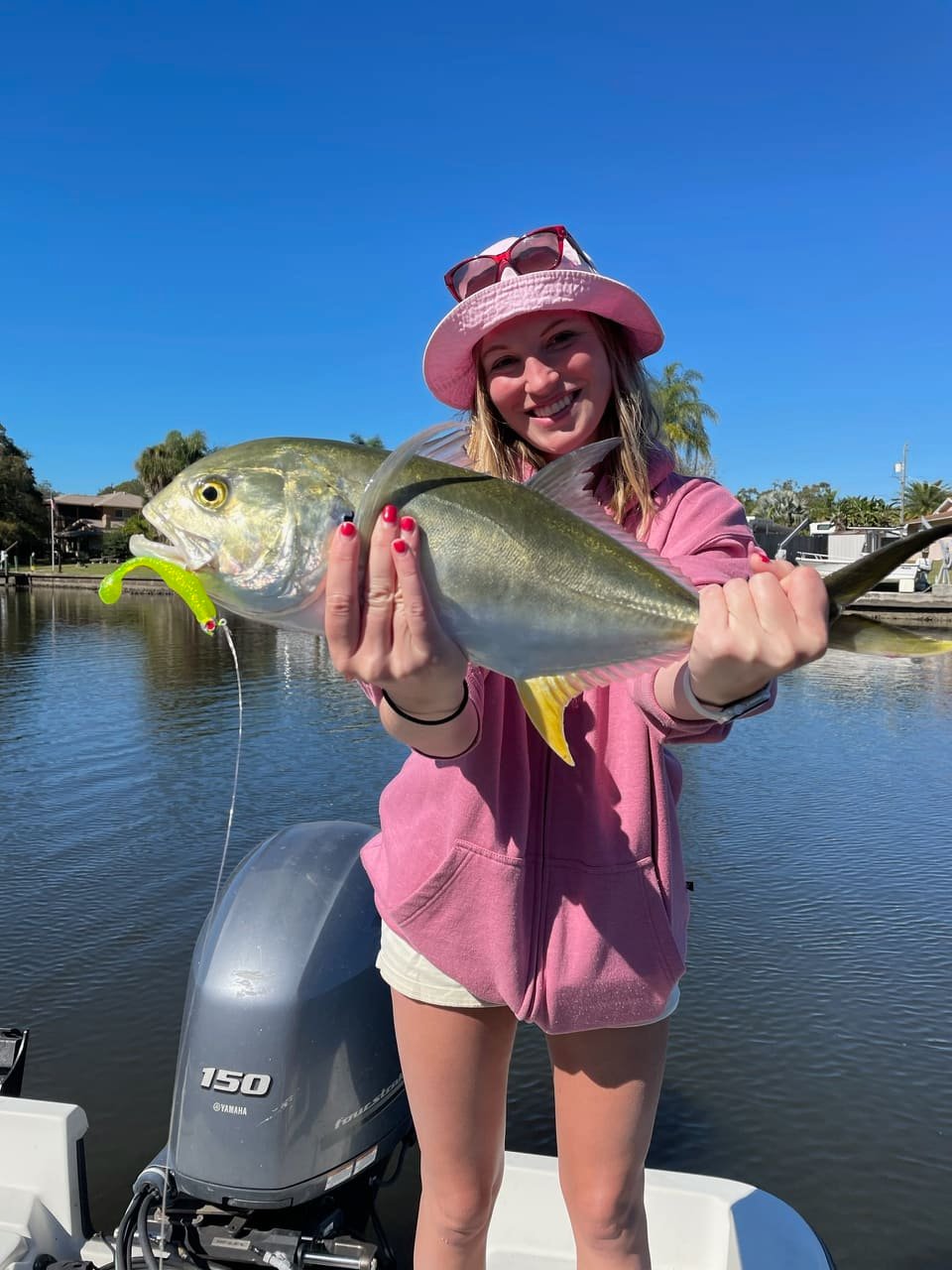
Soft plastics are versatile and effective. They come in various shapes and colors. They imitate small fish, crabs, and shrimps. Anglers favor them for their realistic movement in water.
- Paddle tail grubs – Excellent for mimicking small baitfish.
- Shrimp imitations – Great for targeting redfish and trout.
- Worms – Effective for a wide range of saltwater species.
Jigs And Lures
Jigs and lures offer precision and control. They are perfect for varying depths and conditions. Jigs are weighted, making them ideal for deeper waters. Lures come in multiple designs to attract specific fish.
| Type | Best For |
|---|---|
| Bucktail Jigs | Flounder, Striped Bass |
| Metal Jigs | Bluefish, Mackerel |
| Spoons | Variety of saltwater species |
Topwater Plugs
Topwater plugs create surface disturbances that attract fish. They are exciting to use and often result in spectacular strikes. Ideal for targeting predatory fish that hunt near the surface.
- Poppers – Create splashing sounds that lure fish.
- Walk-the-dog lures – Zigzag motion mimics injured prey.
- Prop baits – Spinning blades create additional disturbance.
Seasonal Bait Preferences
Fishing success often depends on choosing the right bait. Saltwater shore fishing varies with the seasons. Fish behavior and bait preferences change. Knowing the best bait for each season can increase your catch rate.
Summer Bait Choices
Summer brings warmer waters and more active fish. During summer, live bait works best. Fish are more aggressive and responsive to movement. Here are some top choices:
- Live Shrimp: Irresistible to many species like redfish and snook.
- Finger Mullet: Perfect for targeting larger fish such as tarpon.
- Squid: Great for bottom feeders, including flounder and sea bass.
- Crabs: Excellent for enticing larger predators like striped bass.
Summer is also a good time for artificial lures. These mimic the movement of live bait. Use lures like soft plastics, topwater plugs, and spoons. They can attract a variety of fish species.
Winter Bait Strategies
Winter fishing requires different tactics. Fish are less active in colder water. They tend to conserve energy. The best bait choices for winter include:
- Cut Bait: Ideal for attracting bottom feeders like catfish and drum.
- Clams: Effective for species such as blackfish and tautog.
- Squid Strips: Great for slow-moving fish like cod and pollock.
- Sandworms: Perfect for targeting winter flounder and striped bass.
During winter, fish often respond better to smelly bait. The scent helps them locate food in colder, murkier water. Ensure your bait is fresh and appealing.
Local Insights
Understanding what bait to use for saltwater shore fishing can dramatically improve your chances of a successful catch. Local insights are invaluable in this regard. Local anglers and tackle shops can offer specific advice tailored to your fishing location.
Consulting Local Anglers
Local anglers possess a wealth of knowledge about the best bait. They know the seasonal patterns and the preferred bait for different fish species. Here are some tips for consulting local anglers:
- Join local fishing clubs: These clubs often host events and meetings.
- Visit popular fishing spots: Engage in conversations with other anglers.
- Social media groups: Join local fishing communities online.
Engaging with local anglers can provide practical tips and firsthand experiences. This knowledge can give you an edge in your fishing endeavors.
Tackle Shop Recommendations
Tackle shops are another excellent resource for bait recommendations. The staff often have deep insights into local fishing conditions. Here’s how to make the most out of your visit to a tackle shop:
- Ask about recent catches: Find out what bait has been successful lately.
- Request specific bait: Ask for bait that targets your desired fish species.
- Seek seasonal advice: Different seasons may require different bait.
Many tackle shops also have bulletin boards. These often feature local fishing reports and tips. This additional information can be incredibly useful for planning your fishing trip.
Bait Presentation Tips
Mastering bait presentation is essential for successful saltwater shore fishing. Correctly presenting your bait can make a big difference in attracting fish. This section covers hooking live bait, rigging techniques, and casting methods. Follow these tips to increase your catch.
Hooking Live Bait
Properly hooking live bait ensures it moves naturally. This attracts more fish.
- Hook through the back for fish like mullet.
- Hook through the nose for baits like sardines.
- Avoid piercing vital organs to keep bait alive longer.
Experiment with different hooking spots to see what works best. Keeping your bait lively and natural is key.
Rigging Techniques
Effective rigging can improve your bait presentation. Here are some popular methods:
| Rig | Description |
|---|---|
| Carolina Rig | Great for bottom-feeding fish. Keeps bait near the seabed. |
| Fish Finder Rig | Allows bait to move freely. Attracts larger fish. |
| Drop Shot Rig | Good for mid-water column fishing. Keeps bait suspended. |
Choose the right rig based on the type of fish and water conditions. Proper rigging increases your chances of a successful catch.
Casting Methods
Proper casting methods help in presenting bait effectively. Follow these tips:
- Use a smooth, controlled motion to cast.
- Avoid splashing the bait into the water.
- Let the bait settle naturally after casting.
Practice your casting to improve accuracy and distance. A well-placed cast can lead to more bites.
Understanding Fish Behavior
Fishing success depends on knowing fish behavior. Fish habits change based on various factors. Understanding these habits helps you choose the right bait. Below are key factors influencing fish behavior.
Feeding Habits
Fish have specific feeding times. Most fish feed early morning or late evening. Some fish prefer feeding at night. Fish eat different foods based on their species. Common baits include shrimp, squid, and small fish. Use live bait for better results. Check local bait shops for the best options.
- Shrimp: Great for a variety of fish.
- Squid: Effective for larger fish.
- Small Fish: Attracts predatory fish.
Tidal Influences
Tides affect fish feeding patterns. Fish are more active during tidal changes. High tide and low tide bring in more food. Fishing during these times increases your chances. Tidal charts help plan your fishing trips. Many fish move closer to shore during high tide.
| Tide | Fish Behavior |
|---|---|
| High Tide | Fish move closer to shore |
| Low Tide | Fish seek deeper waters |
Water Conditions
Water clarity and temperature affect fish activity. Clear water makes fish more cautious. Murky water can make fish bolder. Warmer water speeds up fish metabolism. Fish feed more in warmer conditions. Cooler water slows down fish activity. Adjust your bait based on water conditions.
- Clear Water: Use natural-looking bait.
- Murky Water: Use brightly colored bait.
- Warm Water: Fish are more active.
- Cool Water: Fish are less active.
Credit: fishingsiestakey.com
Essential Gear For Bait Fishing
Fishing from the shore can be rewarding with the right gear. Having the essential gear for bait fishing ensures a successful and enjoyable experience. Below is a guide on the necessary equipment you need.
Rods And Reels
A good rod and reel combination is vital for bait fishing. Choose a rod that is 7 to 10 feet long for casting distance. A medium to heavy action rod is preferred for handling larger fish. Pair your rod with a durable spinning reel. Ensure the reel has a smooth drag system and enough line capacity.
- Length: 7-10 feet
- Action: Medium to Heavy
- Reel Type: Spinning Reel
Bait Buckets And Aerators
Keep your bait alive and fresh with a good bait bucket. A bucket with an aerator is ideal. The aerator provides oxygen to the bait, ensuring it stays lively. This increases your chances of attracting fish.
- Bait Bucket: Choose a durable and portable bucket
- Aerator: Essential for keeping bait alive
Terminal Tackle
Terminal tackle includes hooks, sinkers, swivels, and leaders. These are necessary for setting up your rig. Use corrosion-resistant hooks to handle saltwater conditions. Select appropriate sinkers based on the water conditions and depth. Swivels help prevent line twists, and leaders provide extra strength against sharp-toothed fish.
| Item | Purpose |
|---|---|
| Hooks: | Secure bait and catch fish |
| Sinkers: | Keep bait at desired depth |
| Swivels: | Prevent line twists |
| Leaders: | Provide extra strength |
Frequently Asked Questions
What Is The Best Bait For Saltwater Shore?
The best bait for saltwater shore fishing includes live shrimp, squid, and cut bait like mullet or menhaden. These attract a variety of fish species.
How To Catch Saltwater Fish From Shore?
Choose the right gear and bait. Fish during high tide for better chances. Cast near structures like rocks or piers. Be patient and observe local fishing regulations.
What Bait Do You Use For Saltwater Fish?
Use shrimp, squid, or cut bait for saltwater fish. Live bait like minnows or mullet also works well.
What Is The Best Lure For Saltwater Fishing?
The best lure for saltwater fishing is a jig. Jigs are versatile and effective for various fish species. Another top choice is a soft plastic bait. These mimic natural prey and attract many saltwater fish. Both options increase your chances of a successful catch.
Conclusion
Choosing the right bait for saltwater shore fishing can greatly improve your success. Experiment with different options like shrimp, squid, and cut bait to see what works best. Remember, local fish preferences can vary. Always stay patient and enjoy the process.
Happy fishing!

I’m the owner of TroutMate and a passionate fishing enthusiast. I share hands-on guides, gear reviews, and practical tips for freshwater, saltwater, and kayak fishing. My mission is to help anglers of all levels catch more fish, explore new locations, and enjoy every trip on the water.