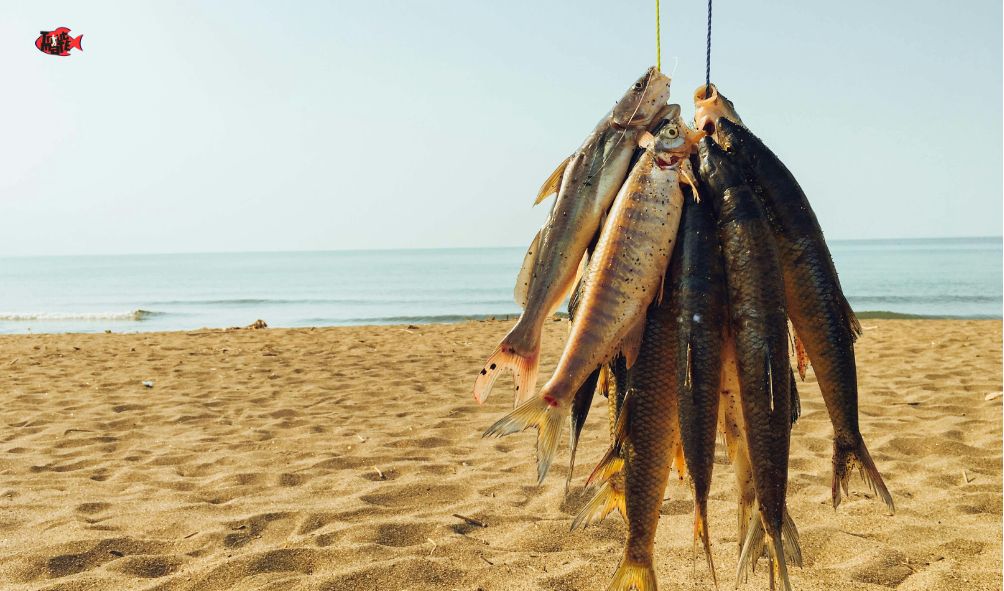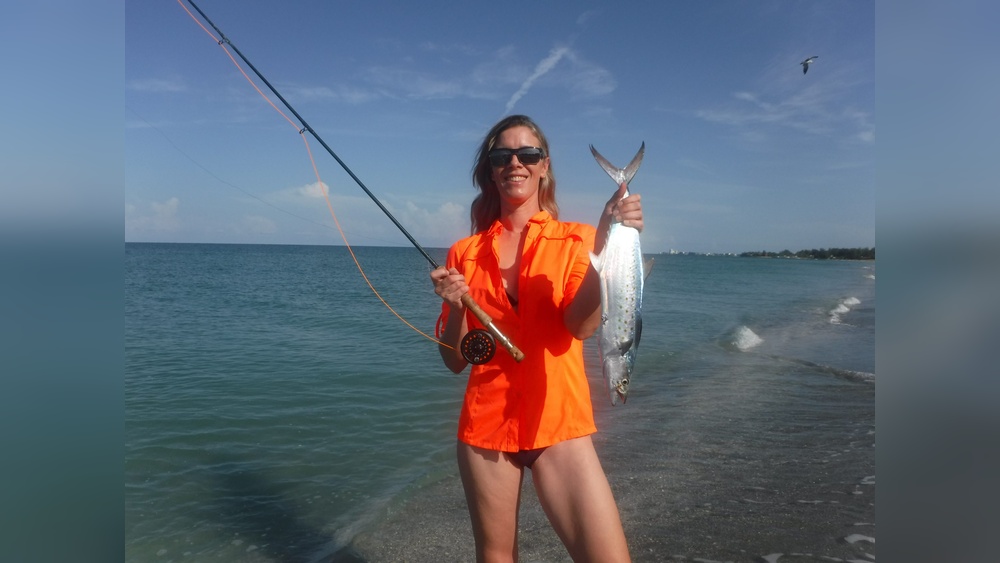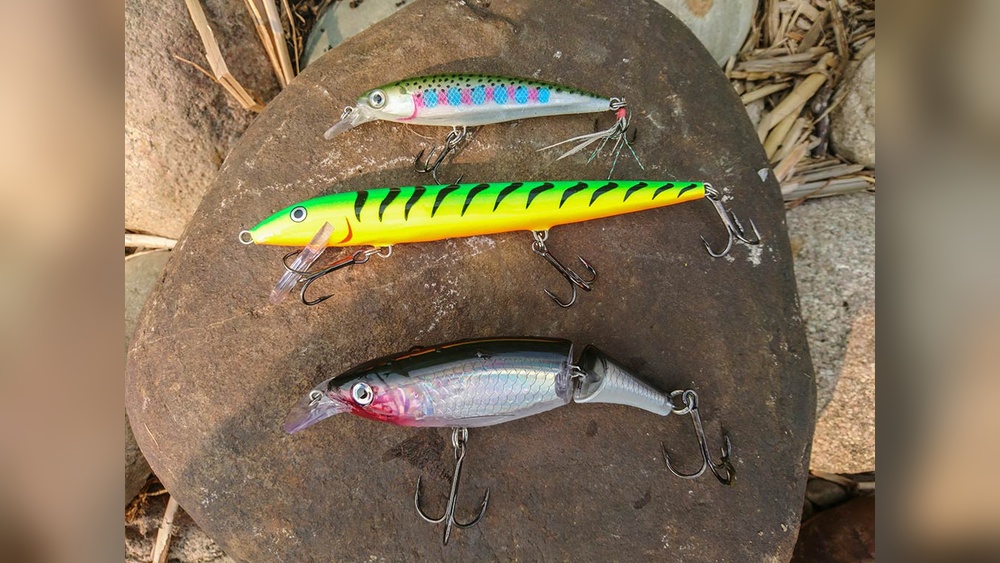
For saltwater fishing, use lures like spoons, jigs, and soft plastics. These lures effectively attract various saltwater species.
Saltwater fishing requires the right lures to attract and catch fish. Spoons mimic the movement of baitfish and are great for fast retrieves. Jigs are versatile and can be used at different depths. Soft plastics resemble worms or small fish, making them irresistible to many saltwater species.
Choosing the right lure depends on the target species and fishing conditions. Experiment with different types to find what works best in your fishing location. Using the appropriate lures increases your chances of a successful saltwater fishing experience. Whether you’re a beginner or a seasoned angler, having a variety of lures in your tackle box is essential.
Best Lures For Saltwater Fishing
Choosing the right lure is crucial for saltwater fishing success. Various lures attract different fish species. Below are some of the best lures for saltwater fishing.
Top Choices
Understanding the top choices helps improve your fishing experience. Here are some popular options:
- Spoons – Reflective and mimic injured baitfish
- Jigs – Versatile and effective in deep waters
- Soft Plastics – Imitate live bait and offer realistic movement
- Poppers – Surface lures that create splashes to attract fish
- Crankbaits – Dive to various depths and mimic swimming fish
Why They Work
Each lure type works well for specific reasons:
| Lure Type | Reason |
|---|---|
| Spoons | Their flash and wobble attract predator fish. |
| Jigs | Effective in deep waters and strong currents. |
| Soft Plastics | Look like real bait, fooling fish easily. |
| Poppers | Create noise and splash, drawing fish to the surface. |
| Crankbaits | Can dive deep and mimic natural fish movements. |
Using these lures can increase your chances of a successful catch. Choose the right one based on your fishing environment and target species.
Soft Plastics
Soft plastics are versatile and effective for saltwater fishing. They mimic the movement of live bait, attracting a wide variety of fish. Anglers love soft plastics for their flexibility and realistic appearance.
Types Of Soft Plastics
Different types of soft plastics can be used based on the target species and fishing conditions. Here are some popular ones:
- Grub Worms: Ideal for bottom feeders like flounder.
- Shad: Mimics small baitfish, perfect for snook and redfish.
- Paddle Tails: Excellent for creating vibrations in the water.
- Jerk Baits: Great for topwater action, attracting aggressive fish.
- Crawfish: Effective for species that feed on crustaceans.
Fishing Techniques
Using soft plastics requires specific techniques to maximize success. Here are some methods:
- Texas Rig: Perfect for fishing in heavy cover. Keeps the bait weedless.
- Carolina Rig: Allows the bait to move freely, ideal for deeper waters.
- Drop Shot: Keeps the bait suspended above the bottom. Great for finicky fish.
- Jig Head: Adds weight to the bait. Effective for vertical jigging.
- Weightless Rig: Use for a slow, natural fall. Works well in shallow waters.
Soft plastics are a must-have in every angler’s tackle box. They are effective, versatile, and easy to use. Try different types and techniques to see what works best.
Hard Baits
Hard baits are essential for any saltwater fishing enthusiast. These lures mimic real fish, making them irresistible to predatory species. Hard baits are durable, versatile, and come in various styles to suit different fishing conditions.
Popular Hard Baits
Several types of hard baits are popular among anglers:
- Crankbaits: These lures have a diving lip and swim in a wobbling motion.
- Jerkbaits: These lures mimic injured baitfish with a darting action.
- Topwater Lures: These float on the surface and create a splash to attract fish.
- Swimbaits: These lures look and move like real fish, ideal for larger predators.
Usage Tips
To maximize your success with hard baits, consider these tips:
- Match the Hatch: Choose a lure that resembles the local baitfish.
- Vary Retrieval Speed: Experiment with different speeds to find what triggers bites.
- Use the Right Gear: A medium to heavy rod works best with hard baits.
- Check the Water Depth: Use crankbaits for deep water and topwater lures for shallow areas.
- Pay Attention to Weather: Overcast days often lead to more aggressive strikes.
Using the right hard bait can make your saltwater fishing trip a success. Remember to adapt your approach based on the conditions and the fish you target.
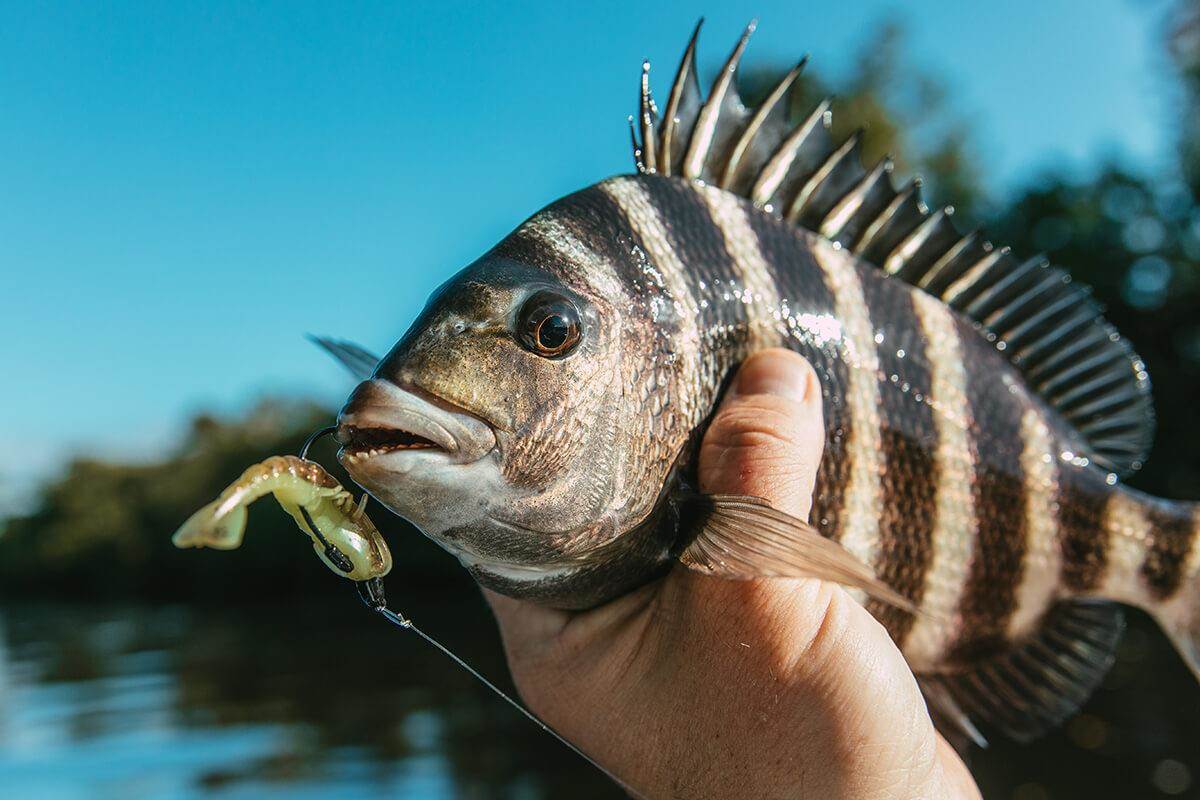
Credit: www.floridasportsman.com
Jigs And Spoons
Fishing in saltwater can be exciting. Two effective lures are jigs and spoons. Each has unique benefits and uses. Jigs mimic live bait, while spoons flash to attract fish.
When To Use Jigs
Jigs are versatile and work in many situations. They are perfect for deep water. Use them to target species like snapper, grouper, and flounder. Jigs can be effective in both calm and rough waters.
Choose the right weight for your jig. Heavy jigs sink fast and reach deep fish. Light jigs stay near the surface. Use bright colors in clear waters. Dark colors work well in murky waters.
- Deep water: Heavy jigs
- Shallow water: Light jigs
- Clear water: Bright colors
- Murky water: Dark colors
Effective Spoon Techniques
Spoons are great for their flashing action. They work well in open water. Fish like mackerel, bluefish, and tarpon love them. Cast the spoon far and let it sink. Reel it in with a steady pace.
Vary your speed to attract different fish. Fast retrieves excite aggressive fish. Slow retrieves can lure cautious fish. Try using flutter spoons for a different action. They mimic injured baitfish.
- Cast far and let it sink
- Reel in with a steady pace
- Vary the speed for different fish
- Use the flutter spoons for more action
Topwater Lures
Topwater lures are a favorite among saltwater anglers. They create an exciting surface action that attracts predatory fish. These lures mimic the movements of distressed prey on the water’s surface. This triggers explosive strikes from fish.
Best Scenarios
Topwater lures work best in specific situations. Here are a few ideal scenarios:
- Early Morning or Late Evening: Fish are more active during these times.
- Calm Waters: Smooth surfaces make it easier for fish to spot the lure.
- Shallow Waters: Fish in shallow waters are more likely to strike.
- Near Structures: Fish often hide near piers, rocks, and reefs.
Action And Retrieval
Understanding the action and retrieval of topwater lures is crucial. Here’s a breakdown:
| Type of Topwater Lure | Action | Retrieval Technique |
|---|---|---|
| Popper | Makes splashing noises | Short, sharp jerks of the rod |
| Walk-the-Dog | Swims side-to-side | Steady, rhythmic rod twitches |
| Prop Bait | Creates commotion with spinning blades | Steady or varied retrieves |
Experiment with different retrieval speeds. Some fish prefer a fast-moving target. Others might strike at a slower, more deliberate movement.
Live Bait Options
Live bait is a favorite for many saltwater anglers. It attracts a wide range of fish. Knowing which bait to use can make your fishing trip successful.
Types Of Live Bait
Several types of live bait work well in saltwater. Each type attracts different fish species.
| Bait Type | Target Fish |
|---|---|
| Shrimp | Redfish, Trout, Snook |
| Crabs | Tarpon, Bonefish, Permit |
| Live Mullet | Striped Bass, Bluefish, Tarpon |
| Sardines | Kingfish, Snapper, Grouper |
How To Rig Live Bait
Proper rigging of live bait is crucial. It ensures the bait moves naturally.
- Hook Placement: Insert the hook through the bait’s nose. This keeps it alive longer.
- Use Circle Hooks: They reduce the chance of gut hooking fish.
- Keep it Fresh: Replace dead bait immediately.
- Use a Float: Prevents bait from sinking too deep.
These steps help keep your bait lively. Lively bait attracts more fish.
Matching Lures To Target Species
Using the right lure is crucial for saltwater fishing success. Different species react to different lures. Matching lures to target species increases your catch rate. Factors like lure size, color, and action play a big role.
Species-specific Lures
Different fish species require different lures. Here are some top picks:
| Fish Species | Recommended Lures |
|---|---|
| Redfish | Gold spoons, soft plastic shrimp |
| Striped Bass | Topwater plugs, bucktail jigs |
| Snook | Plastic jerkbaits, live bait |
| Tarpon | Swimbaits, live crabs |
Gold spoons attract Redfish because of their shiny flash. Topwater plugs are great for Striped Bass. They mimic struggling baitfish on the surface. Snook often go for plastic jerkbaits that look like injured bait.
Seasonal Considerations
The season affects lure choice. Fish behavior changes with the weather. In colder months, fish are less active. Use slow-moving lures.
During warmer months, fish are more aggressive. They go after faster lures. Also, consider the water temperature and clarity. Clear water requires natural-colored lures. Murky water needs brighter colors.
- Winter: Slow jigs, deep-diving plugs
- Spring: Soft plastics, spinnerbaits
- Summer: Topwater lures, fast-moving spoons
- Fall: Crankbaits, swimbaits
Using the right lure for the season can make a huge difference. Slow jigs work well in winter. In summer, topwater lures are more effective.
Environmental Factors
Choosing the right lure for saltwater fishing depends on various environmental factors. These factors can significantly impact your fishing success. Understanding these elements helps in making informed choices, ensuring a productive fishing trip.
Water Clarity
Water clarity is crucial for selecting the appropriate lure. Clear water allows fish to see more clearly. Use natural-colored lures that mimic the fish’s natural prey. Transparent or light-colored lures work best in clear waters. In murky water, fish rely on their other senses. Opt for brightly colored or noisy lures to attract fish. This makes them easier to spot and hear.
Tide And Current
The tide and current also play a major role in lure selection. Fish move with the tides, so understanding this can increase your chances. During high tide, fish may venture closer to shore. Use topwater lures or shallow diving lures. During low tide, fish are often found in deeper waters. Here, deep-diving or sinking lures are more effective.
Currents affect how a lure behaves in the water. Strong currents may require heavier lures to maintain control. In weaker currents, lighter lures are more suitable. Use these factors to determine the best lure for your fishing trip.
Expert Tips And Tricks
Saltwater fishing is an exciting activity that requires the right lures. Using the correct lures can mean the difference between a great catch and a wasted trip. Here are some expert tips and tricks to help you choose the best lures for saltwater fishing.
Pro Angler Insights
Pro anglers know the secrets to successful saltwater fishing. They often recommend using live baits like shrimp and squid. These live baits attract a variety of fish species. Another tip is to use soft plastic lures. These lures mimic the movement of small fish and can attract larger predators.
Using metal jigs is also effective. Metal jigs are versatile and work well in different water conditions. Finally, anglers suggest using surface poppers. Surface poppers create a lot of noise and movement, attracting fish from a distance.
Common Mistakes To Avoid
Many beginners make mistakes that reduce their chances of a good catch. One common mistake is using the wrong size lure. Always match the lure size to the fish you are targeting. Another mistake is ignoring the water conditions. Different lures work better in different water conditions.
Using old or damaged lures is also a big mistake. Always check your lures for wear and tear. Finally, many people overlook the importance of color. Choose lure colors that match the natural prey of the fish.
| Type of Lure | Best For |
|---|---|
| Live Baits (Shrimp, Squid) | Attracting a variety of fish species |
| Soft Plastic Lures | Mimicking small fish movements |
| Metal Jigs | Versatility in different water conditions |
| Surface Poppers | Creating noise and movement |
Follow these expert tips and avoid common mistakes. You will improve your saltwater fishing skills and enjoy more successful trips.
Gear And Accessories
Saltwater fishing is an exciting adventure. Having the right gear and accessories ensures success. From essential tools to maintenance tips, every detail matters.
Essential Tools
Every saltwater angler needs certain tools. These tools make fishing easier and more fun.
- Fishing Rod and Reel: A sturdy rod and reel are crucial. Choose one designed for saltwater use.
- Tackle Box: Keep your hooks, lines, and lures organized.
- Fishing Line: Use a strong, durable line. Monofilament or braided lines work well.
- Hooks: Use corrosion-resistant hooks. They last longer in saltwater.
- Landing Net: A good net helps you land your catch safely.
Maintenance Tips
Maintaining your gear is vital. Proper care extends the life of your tools.
- Rinse with Fresh Water: Always rinse your gear with fresh water. Saltwater can cause corrosion.
- Dry Thoroughly: Make sure your gear is completely dry. Moisture leads to rust.
- Inspect Regularly: Check for any damage or wear. Replace worn-out parts immediately.
- Store Properly: Keep your gear in a cool, dry place. Avoid direct sunlight.
- Lubricate Moving Parts: Use a light oil to lubricate moving parts. This keeps them functioning smoothly.
| Tool | Maintenance Tip |
|---|---|
| Fishing Rod | Rinse and dry after each use. |
| Reel | Lubricate and inspect regularly. |
| Hooks | Check for rust and replace if needed. |
| Landing Net | Rinse and dry to prevent mold. |
Frequently Asked Questions
What Lures Should I Use For Saltwater Fishing?
Use jigs, spoons, and soft plastics for saltwater fishing. Topwater plugs and crankbaits also work well. Select lures based on target species and water conditions.
What Is The Most Common Bait For Saltwater Fish?
The most common bait for saltwater fish includes shrimp, squid, and cut bait fish. These attract a variety of species.
What Is The Best Lure For Sea Fishing?
The best lure for sea fishing is often a jig or soft plastic bait. These mimic small fish and attract predators.
What Color Lure For Saltwater Fishing?
Bright colors like chartreuse, yellow, and white work best for saltwater fishing. Use darker colors in murky water.
Conclusion
Choosing the right lures for saltwater fishing can greatly enhance your success. Experiment with different types to find what works best. Remember to consider water conditions and target species. With the right lures, you’ll improve your chances of a great catch.
Happy fishing, and may your next trip be rewarding!

I’m the owner of TroutMate and a passionate fishing enthusiast. I share hands-on guides, gear reviews, and practical tips for freshwater, saltwater, and kayak fishing. My mission is to help anglers of all levels catch more fish, explore new locations, and enjoy every trip on the water.