

Choose the right lure for bass fishing by considering water conditions and bass behavior. Match lure color and size to local prey.
Bass fishing enthusiasts know the importance of choosing the right lure. The correct lure can significantly increase your chances of a successful catch. Factors like water clarity, temperature, and the type of prey available in the area play a crucial role.
Brightly colored lures work well in murky waters, while natural colors are better for clear waters. The size of the lure should mimic the size of local prey, attracting bass more effectively. Different lures, such as crankbaits, spinnerbaits, and soft plastics, can suit various fishing conditions. Understanding these elements will help you select the most effective lure, making your bass fishing experience more enjoyable and fruitful.
Types Of Bass Lures
Choosing the right lure is crucial for successful bass fishing. Different lures work best in various conditions. Understanding these lures can help you catch more bass. Below are some popular types of bass lures you should consider.
Topwater Lures
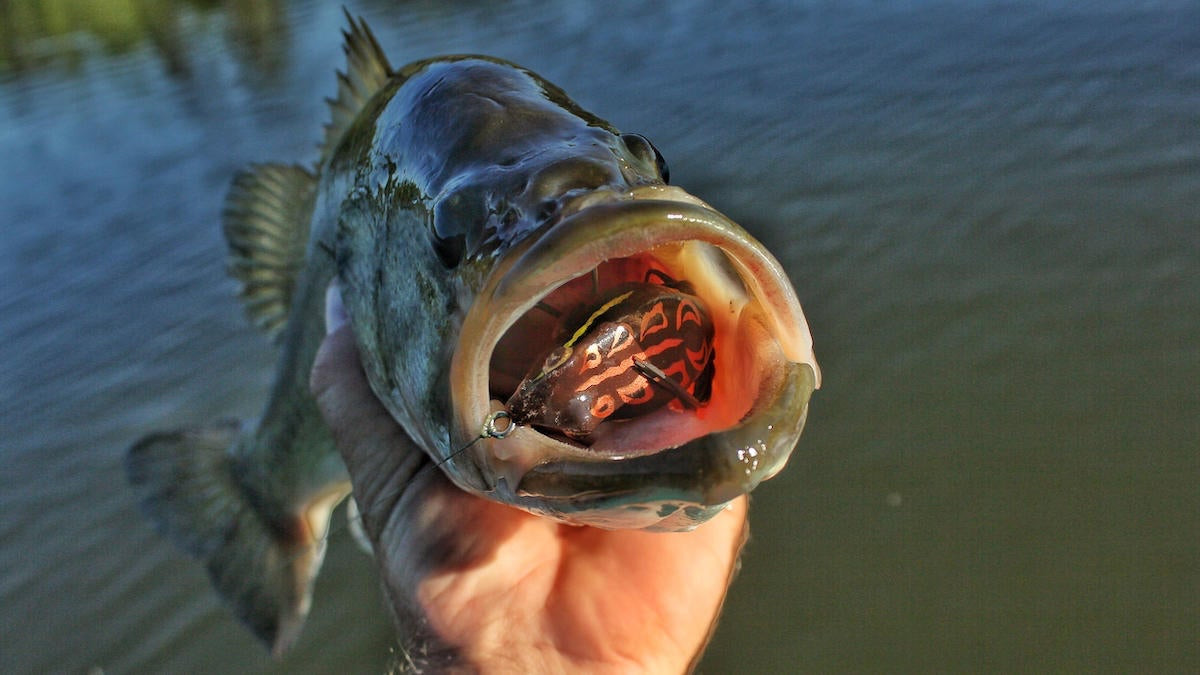
Topwater lures create excitement on the water’s surface. They mimic struggling baitfish or insects. These lures work well in the early morning or late evening. Common types include poppers, frogs, and buzzbaits.
- Poppers: Make a popping sound that attracts bass.
- Frogs: Imitate real frogs, great for fishing in weeds.
- Buzzbaits: Produce a buzzing noise, perfect for murky water.
Crankbaits
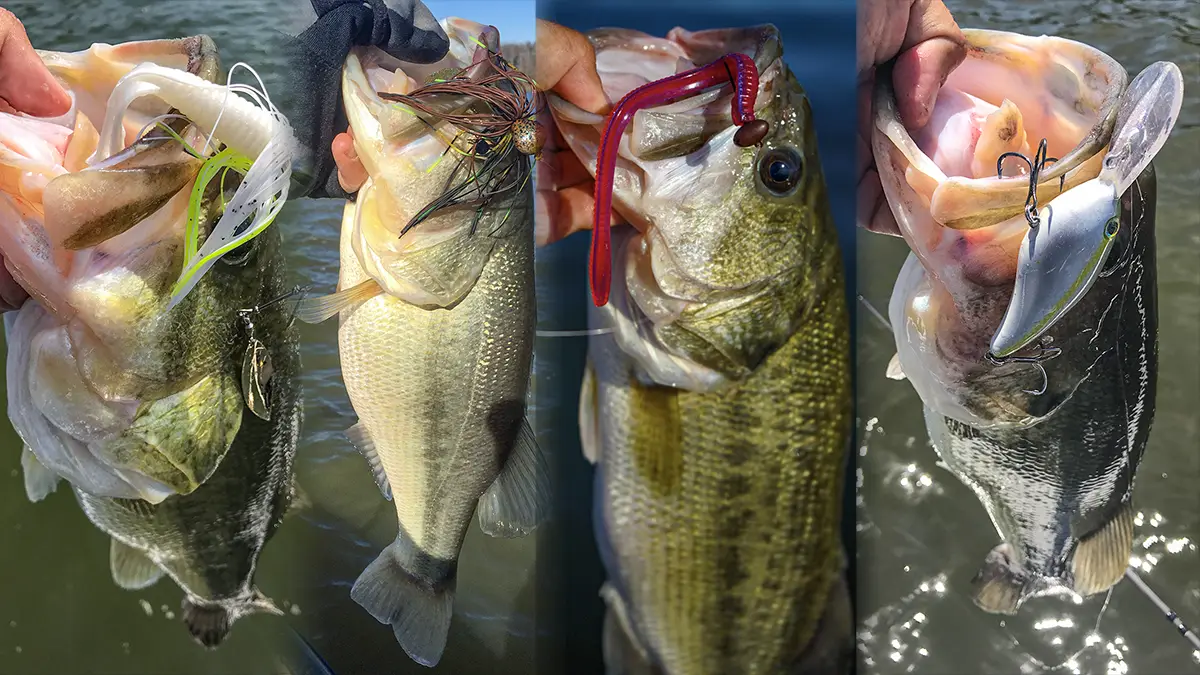
Crankbaits are excellent for covering large areas quickly. They mimic baitfish and can dive to various depths. These lures are ideal for both clear and murky waters.
| Type | Best Use |
|---|---|
| Shallow-diving | Perfect for water less than 5 feet deep. |
| Medium-diving | Great for depths of 5 to 10 feet. |
| Deep-diving | Ideal for depths over 10 feet. |
Soft Plastics
Soft plastics are versatile and effective. They come in various shapes and sizes, mimicking worms, crawfish, or baitfish. These lures can be rigged in multiple ways to suit different fishing conditions.
- Worms: Ideal for slow, subtle presentations.
- Crawfish: Excellent for fishing near rocks and logs.
- Swimbaits: Perfect for mimicking small fish.
Spinnerbaits
Spinnerbaits are great for attracting bass with their flash and vibration. They work well in various water conditions and can be used year-round. These lures are especially effective in murky water.
- Willow Blades: Produce a lot of flash, ideal for clear water.
- Colorado Blades: Create more vibration, perfect for murky water.
- Indiana Blades: A balance of flash and vibration, good for all conditions.
Credit: www.wired2fish.com
Understanding Bass Behavior
Understanding bass behavior is key to successful bass fishing. Bass are smart and adaptable. They change their habits based on various factors. Knowing their behavior helps in choosing the right lure.
Feeding Patterns
Bass have specific feeding patterns. They are most active during dawn and dusk. These times are known as the “golden hours.” During these periods, they come closer to the surface to feed.
During the day, bass prefer deeper waters. They wait for prey to pass by. Bass eat a variety of food, including smaller fish, insects, and crustaceans. Choosing lures that mimic these prey items can be effective.
Seasonal Changes
Bass behavior changes with the seasons. In spring, they move to shallow waters to spawn. This is a great time to use lures that mimic small fish or insects.
In summer, bass often stay in deeper, cooler waters. Use deeper diving lures or jigs. In fall, they feed heavily to prepare for winter. Lures that mimic baitfish are effective in fall.
In winter, bass are less active. They stay in deeper waters and feed less. Slow-moving lures work best during winter months.
Habitat Preferences
Bass prefer certain habitats. They are often found near structures like rocks, logs, and vegetation. These structures provide cover and attract prey.
Bass also like areas with a good mix of shallow and deep waters. They use shallow areas for feeding and deep waters for safety. Understanding these habitat preferences helps in choosing the right lure.
Matching Lures To Conditions
Choosing the right lure for bass fishing is crucial. Different conditions require different lures. Matching lures to conditions can boost your success significantly.
Water Clarity
Water clarity affects lure visibility. In clear water, bass see further. Use natural colors like green, brown, or silver. Bright lures can scare fish away.
In murky water, visibility is low. Bass rely more on sound and vibration. Use loud, bright lures like chartreuse or orange. These attract bass by creating noise and movement.
Temperature
Water temperature changes bass behavior. In cold water, bass are less active. Slow-moving lures like jigs or spinnerbaits work best. They mimic easy prey.
In warm water, bass are more aggressive. Fast-moving lures like crankbaits or topwater lures attract them. These imitate fleeing prey, triggering a chase response.
Weather Impact
Weather also influences bass activity. On sunny days, bass stay near cover. Use soft plastics or jigs to reach them.
On cloudy days, bass roam open waters. Use crankbaits or spinnerbaits to cover more area and attract attention.
Rain can increase bass activity. Use topwater lures or buzzbaits during light rain. These lures create surface commotion, drawing bass out.
Credit: www.wired2fish.com
Selecting Lure Colors
Choosing the right lure color can make or break your bass fishing trip. Bass are visual predators, and the color of your lure can attract or repel them. By understanding the factors influencing lure color selection, you increase your chances of a successful catch.
Natural Vs. Bright
Natural colors mimic the hues found in the bass’s environment. These colors include greens, browns, and blacks. Use natural colors in clear water and bright light. They look like real prey, making bass more likely to strike.
Bright colors stand out and grab attention. These include chartreuse, neon pink, and bright white. Bright colors work best in murky water or low-light conditions. They help bass spot the lure from a distance.
Water Color Influence
Water color can greatly affect lure visibility. Clear water means bass can see further, so natural colors work well. In stained or muddy water, bass rely more on sound and vibration. Here, bright colors are more effective. Use the table below to choose the right color based on water clarity.
| Water Clarity | Best Lure Color |
|---|---|
| Clear | Natural (greens, browns) |
| Stained | Bright (chartreuse, neon) |
| Muddy | Very Bright (white, bright pink) |
Light Conditions
Light conditions also play a role in lure color choice. On bright, sunny days, natural colors work best. They blend with the environment and look like real prey. On cloudy days or during dawn and dusk, bright colors are more effective. They stand out in low-light conditions, making them easier for bass to see.
Remember to adjust your lure color based on the current light conditions. This simple change can significantly improve your fishing success.
Lure Size And Shape
Choosing the right lure size and shape is crucial for successful bass fishing. Different sizes and shapes can mimic various types of prey, attract different sizes of bass, and work at various depths. Understanding these factors will enhance your chances of a good catch.
Imitating Prey
Bass are opportunistic feeders. They often target prey that looks familiar. Small, slender lures can imitate minnows or shad, which are common bass prey. Larger, bulkier lures can resemble larger fish or frogs.
- Small, slender lures: Best for imitating minnows or shad.
- Large, bulky lures: Ideal for mimicking bigger fish or frogs.
Adjusting For Bass Size
The size of the bass you’re targeting affects lure choice. Smaller bass may prefer smaller lures. Larger bass can handle bigger lures. Adjusting lure size can increase your chances of catching your desired bass.
| Bass Size | Recommended Lure Size |
|---|---|
| Small Bass | 2-4 inches |
| Medium Bass | 4-6 inches |
| Large Bass | 6-8 inches |
Depth Considerations
Lures need to reach the depth where bass are feeding. Shallow-diving lures work well in waters less than 5 feet. Medium-diving lures are best for depths between 5-12 feet. Deep-diving lures reach depths over 12 feet.
- Shallow-diving lures: Ideal for waters less than 5 feet.
- Medium-diving lures: Suitable for 5-12 feet depths.
- Deep-diving lures: Best for depths over 12 feet.
Understanding lure size, shape, and depth can make your bass fishing more effective. Choose wisely, and you’ll increase your success rate.
Techniques For Different Lures
Choosing the right lure is crucial for successful bass fishing. Different lures work best with specific techniques. Understanding these techniques can help improve your fishing skills. Let’s explore the best methods for various lures.
Retrieving Methods
Retrieving methods vary depending on the lure. Each method is designed to mimic prey movement, attracting bass.
| Lure Type | Retrieving Method |
|---|---|
| Crankbaits | Steady retrieve with occasional pauses |
| Spinnerbaits | Slow roll near cover |
| Topwater Lures | Quick jerks to mimic struggling prey |
Cast And Retrieve
Cast and retrieve is a common technique for various lures. This method involves casting the lure and retrieving it steadily.
- Soft Plastics: Use a slow, steady retrieve.
- Jerkbaits: Retrieve with sharp, quick jerks.
- Swimbaits: A moderate, consistent retrieve works best.
Changing the speed and rhythm can attract more bites.
Jigging Techniques
Jigging techniques are effective for bottom-dwelling bass. This method involves lifting and dropping the lure to mimic prey.
- Vertical Jigging: Drop the lure and lift it vertically in short bursts.
- Swimming Jig: Cast and let the jig swim back in a slow retrieve.
- Hopping Jig: Lift the rod tip to make the jig hop along the bottom.
Experimenting with different jigging actions can increase your chances of success.
Essential Gear And Accessories
Choosing the right lure for bass fishing is crucial. But, having the right gear and accessories makes a big difference too. This section will cover the essential gear and accessories for bass fishing. Let’s dive into the key components: rods and reels, lines and leaders, and tackle storage.
Rods And Reels
Your rod and reel are the backbone of your fishing setup. The right combination improves your chances of landing that big bass. Consider the following:
- Rod Type: Spinning rods are great for beginners. Casting rods offer better control and power.
- Rod Length: A 6-7 foot rod is versatile. It works well for various techniques.
- Reel Type: Spinning reels are easier to use. Baitcasting reels give better accuracy.
- Gear Ratio: A higher gear ratio retrieves the line faster. This helps when using fast-moving lures.
Lines And Leaders
Choosing the right line and leader impacts your success. Different lines work for different conditions:
- Monofilament Line: Good for beginners. It is easy to handle and affordable.
- Fluorocarbon Line: Less visible underwater. Ideal for clear water.
- Braided Line: Very strong and durable. Best for heavy cover or thick vegetation.
- Leaders: Use fluorocarbon leaders for better invisibility. This increases your chances of a bite.
Tackle Storage
Organizing your tackle properly is essential. It keeps your gear accessible and in good condition:
- Tackle Boxes: Choose a box with multiple compartments. This helps separate different lures and accessories.
- Tackle Bags: Soft-sided bags are portable. They often come with adjustable dividers.
- Waterproof Containers: Protect your gear from water damage. Useful for keeping electronics safe too.
- Labeling: Label compartments for quick access. Saves time when you are out on the water.
Expert Tips And Tricks
Choosing the right lure for bass fishing can be challenging. Expert tips can make a huge difference. Whether you’re new or experienced, understanding these tips will help you catch more bass.
Pro Angler Advice
Professional anglers have mastered lure selection. Here are some of their top tips:
- Match the Hatch: Use lures that mimic local prey.
- Water Clarity: Clear water needs natural colors, murky needs bright colors.
- Weather Conditions: Cloudy days call for darker lures, sunny for brighter ones.
Common Mistakes
Avoid these common mistakes to improve your fishing success:
- Wrong Size: Don’t use oversized lures for small bass.
- Ignoring Water Temperature: Cold water requires slower lure movements.
- Overcomplicating: Stick to simple, proven lures instead of too many options.
Advanced Strategies
Advanced anglers use these strategies to catch more bass:
- Experiment with Depth: Use different lures to target various depths.
- Retrieve Techniques: Vary your retrieve speed and style to attract more bass.
- Seasonal Patterns: Know which lures work best in each season.

Credit: www.wikihow.com
Choosing the right lure for bass fishing can make a big difference. Consider water conditions, bass behavior, and lure type. Experiment with different options to find what works best. With these tips, you’ll increase your chances of a successful catch.
Happy fishing and tight lines!
FAQs:
How To Choose What Lure To Use For Bass?
Consider water clarity, weather, and bass behavior. Use bright lures in clear water, dark in murky water. Opt for topwater lures in warm weather and deeper lures in cold. Experiment with different types until you find what works best.
What Is The Best Lure To Catch Bass?
The best lure to catch bass is a soft plastic worm. It mimics natural prey and attracts bass effectively. Spinnerbaits and crankbaits are also popular choices. Use these lures to increase your chances of a successful catch.
How Do I Know What Fishing Lure To Use?
Consider water type, target fish, and weather. Use bright colors in murky water, natural colors in clear water. Match lure size to fish size. Experiment with different types and observe results.
When To Use Certain Lures In Bass Fishing?
Use topwater lures during early morning or late evening. Opt for crankbaits in deep waters. Choose spinnerbaits in murky water. Use soft plastics in clear water for a natural presentation.

I’m the owner of TroutMate and a passionate fishing enthusiast. I share hands-on guides, gear reviews, and practical tips for freshwater, saltwater, and kayak fishing. My mission is to help anglers of all levels catch more fish, explore new locations, and enjoy every trip on the water.

