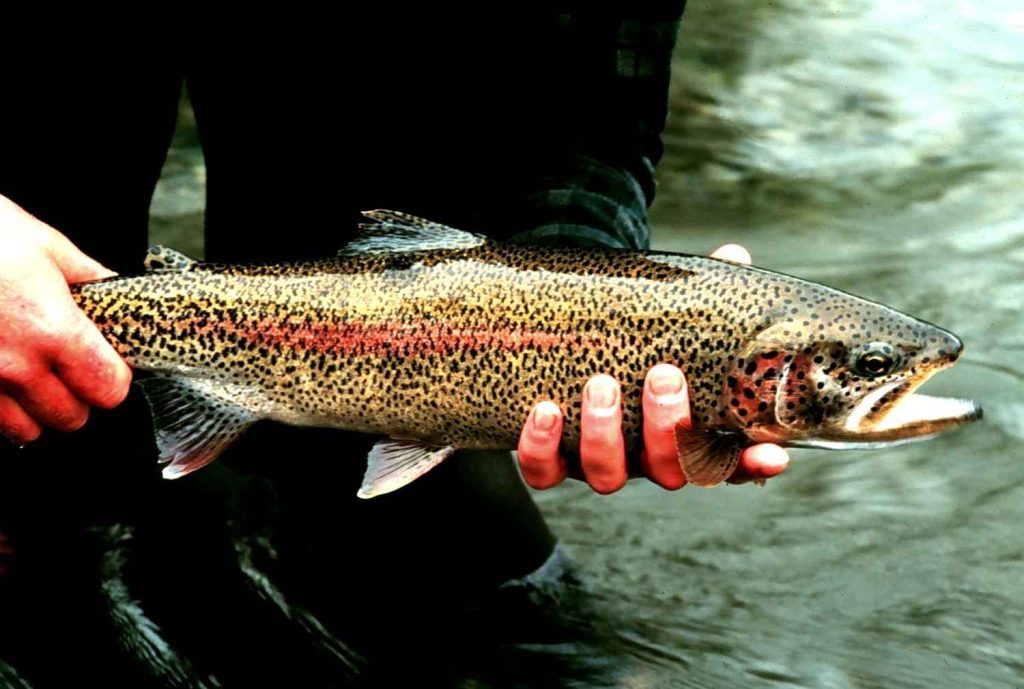
Trout are hard to catch because they are extremely wary and have excellent vision. They also often inhabit challenging environments.
Trout fishing can be challenging, even for experienced anglers. These fish are known for their keen senses and elusive nature. Their excellent vision allows them to detect even the slightest movements, making them difficult to approach. Trout often reside in clear, fast-moving waters where they can easily spot threats.
Understanding their behavior and habitat can significantly improve your chances of success. Choosing the right bait and using stealthy techniques are crucial. Patience and persistence are key when attempting to catch these elusive fish. With the right approach, you can improve your trout fishing skills and enjoy the thrill of the catch.
Mystery Of Trout Behavior
Trout are among the most challenging fish to catch. Their behavior remains a mystery to many anglers. Understanding their elusive nature and feeding patterns can improve your chances of success.
Elusive Nature
Trout are known for their elusive nature. They often hide in hard-to-reach places. This makes them difficult to spot and catch.
- Trout prefer areas with plenty of cover like rocks and logs.
- They are very sensitive to movement and noise.
- Trout can quickly dart away if they feel threatened.
These factors contribute to their elusive behavior. Anglers need to be patient and stealthy.
Feeding Patterns
Trout have unique feeding patterns that vary by season and time of day. They are often more active during certain periods, making timing crucial.
| Season | Feeding Behavior |
|---|---|
| Spring | Feed actively in the morning and evening. |
| Summer | Feed early morning and late evening to avoid heat. |
| Fall | Feed all day, preparing for winter. |
| Winter | Feed less, slower metabolism. |
Understanding these patterns can help you plan your fishing trips. Using the right bait and technique is essential.
Trout are selective eaters. They often favor specific insects and small fish. Matching the hatch can be a game-changer for anglers.
- Observe the water for insect activity.
- Select bait that mimics local prey.
- Adjust your technique based on trout behavior.
By learning their feeding patterns, you increase your chances of a successful catch.

Credit: spencerdurrant.com
Habitat Challenges
Catching trout can be difficult. Their habitat poses many challenges. These fish live in specific environments that are hard to navigate. Understanding their habitat helps you catch them more successfully.
Water Conditions
Trout thrive in clean, cold waters. They prefer temperatures between 50-60°F. Water quality must be excellent. Polluted waters drive them away. They also need high oxygen levels. Fast-moving streams provide this. Water clarity is another factor. Trout avoid murky waters. They see their prey in clear waters.
| Water Condition | Trout Preference |
|---|---|
| Temperature | 50-60°F |
| Oxygen Levels | High |
| Water Clarity | Clear |
| Pollution | Low to None |
Preferred Locations
Trout have specific locations they prefer. They love deep pools in rivers. These pools offer safety and food. Undercut banks are also favored. They provide shelter from predators. Riffles and runs are other hotspots. These areas have well-oxygenated water.
- Deep Pools
- Undercut Banks
- Riffles and Runs
- Shaded Areas
Trout often hide in shaded areas. Overhanging trees and rocks offer cover. This makes them harder to spot. Knowing these locations helps you find trout.
Seasonal Variations
Trout fishing can be incredibly challenging. One significant factor is the seasonal variations. Understanding how trout behavior changes with the seasons can enhance your fishing success. Below are some strategies for catching trout during different seasons.
Spring Strategies
Spring is a dynamic season for trout fishing. Trout become more active as water temperatures rise. Here are some effective strategies for spring:
- Use bright lures as the water is often murky from runoff.
- Fish during midday when the water is warmer.
- Focus on shallow areas where insects are hatching.
Spring is also the time for trout spawning. Avoid disturbing spawning beds, as this can harm the fish population.
Winter Techniques
Winter trout fishing requires different techniques due to colder water temperatures. Trout are less active and tend to stay in deeper water. Consider these techniques for winter:
- Use smaller baits and lures to mimic the limited food supply.
- Fish during midday when the water is slightly warmer.
- Focus on deep pools where trout are likely to be.
Patience is key in winter. Trout are less likely to chase fast-moving lures.
Understanding these seasonal variations can significantly improve your chances of catching trout. Adjust your strategies according to the season, and you’ll likely see better results.
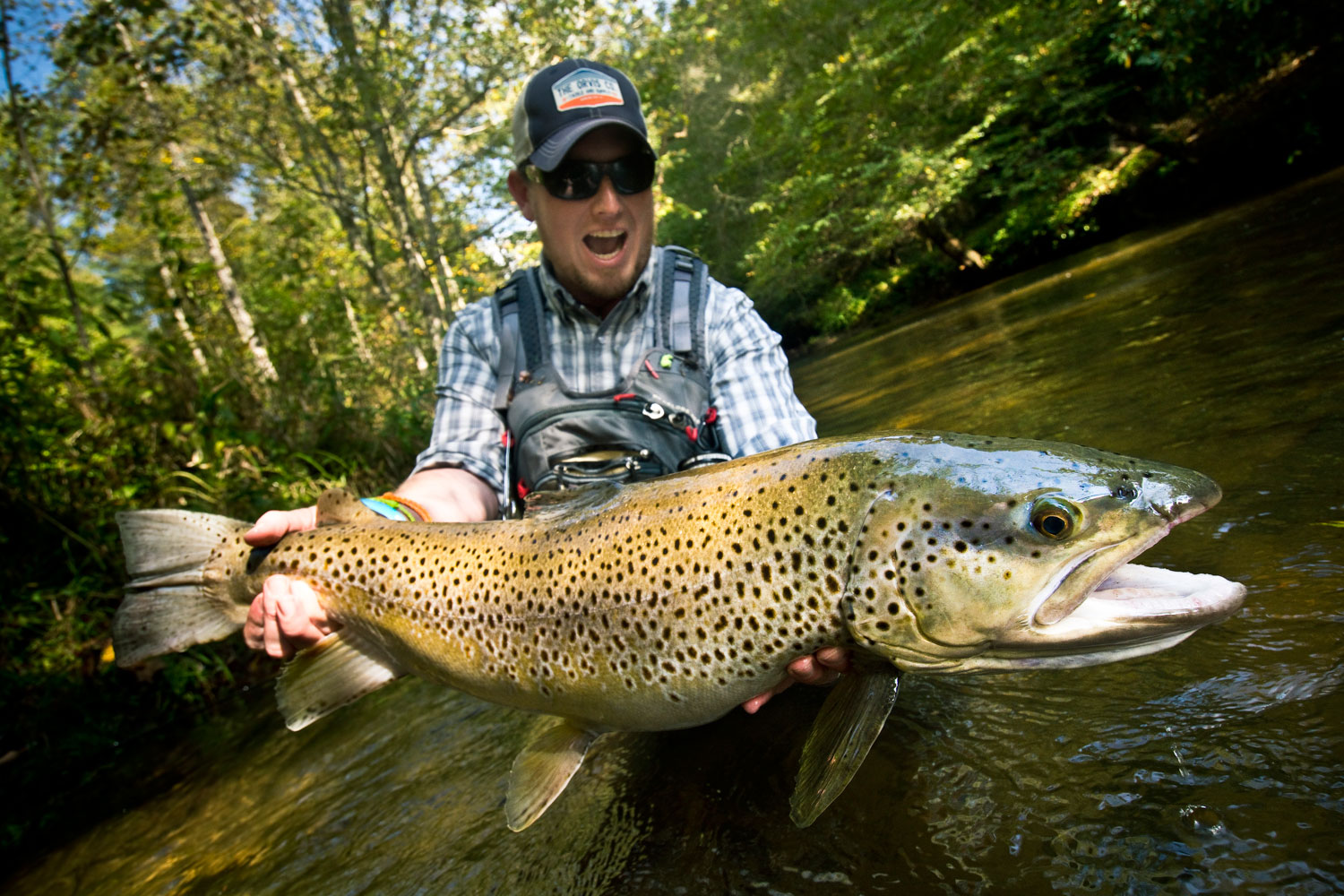
Credit: www.ginkandgasoline.com
Bait And Lure Selection
Choosing the right bait and lure is crucial for catching trout. Trout are smart and picky eaters. They can easily detect fake or inappropriate bait. This section will help you understand which bait or lure works best.
Natural Baits
Natural baits can be very effective in attracting trout. Here are some popular natural baits:
- Worms: Trout love worms. They are easy to find and use.
- Insects: Grasshoppers, crickets, and beetles can be irresistible to trout.
- Minnows: Small fish are a natural part of a trout’s diet.
Natural baits mimic the trout’s natural food. This makes them more likely to bite.
Artificial Lures
Artificial lures are designed to imitate the movement of natural prey. They come in various shapes, sizes, and colors. Here are some common types of artificial lures:
| Lure Type | Description |
|---|---|
| Spoons | Spoons wobble and flash, attracting trout from a distance. |
| Spinners | Spinners have a blade that spins, creating vibrations and reflections. |
| Crankbaits | Crankbaits mimic small fish, making them a favorite for trout. |
Using artificial lures can be more challenging. Trout can detect unnatural movements or colors. Experiment with different lures to find what works best.
Fishing Techniques
Trout can be elusive, making them a challenge for anglers. Different fishing techniques can improve your success rate. Below, we explore two popular methods: fly fishing and spin fishing.
Fly Fishing
Fly fishing is a method that uses a light-weight lure called a fly. The fly mimics insects that trout eat. This technique requires a special fly rod and reel.
Fly fishing demands patience and skill. Anglers need to master the art of casting. Proper casting helps the fly land softly on the water. This reduces the chance of spooking the trout.
Trout are wary and can see the fishing line. Using a thin, transparent line called a leader is crucial. Fly fishing involves reading the water and understanding trout behavior. Trout often hide in deep pools or near underwater structures.
Spin Fishing
Spin fishing uses a spinning reel and rod. It’s easier for beginners compared to fly fishing. The lures used in spin fishing can vary. They include spinners, spoons, and soft plastic baits.
Each lure type has a specific action that attracts trout. For example:
- Spinners: Create vibrations in the water.
- Spoons: Flash and wobble to mimic injured fish.
- Soft Plastic Baits: Imitate worms or small fish.
Spin fishing also requires understanding the trout’s habitat. Casting near rocks, logs, or vegetation increases the chances of a catch. Anglers need to retrieve the lure at the right speed. Too fast or too slow can make the lure unappealing.
Both fly fishing and spin fishing require practice and knowledge. Mastering these techniques can significantly increase your chances of catching trout.
Reading The Water
Understanding how to read the water is crucial for catching trout. Trout are elusive and require keen observation skills. This section explores key techniques for reading the water.
Spotting Trout
Spotting trout involves keen eyes and patience. Look for subtle movements and shadows in the water. Trout often stay in areas with cover and food.
Here are some tips for spotting trout:
- Focus on areas with rocks and vegetation.
- Look for flashes of silver or brown.
- Watch for ripples and disturbances on the water surface.
Trout often blend with their surroundings. Staying still and observing the water carefully can help.
Interpreting Currents
Interpreting currents is another essential skill. Trout use currents to their advantage. They often stay in areas where currents bring food.
Consider these key points:
| Feature | Importance |
|---|---|
| Riffles | Oxygen-rich and food-abundant. |
| Pools | Resting spots with slower currents. |
| Eddies | Areas where food collects. |
By understanding these features, you can predict where trout might be. This knowledge helps in positioning yourself for a better catch.
Reading the water effectively increases your chances of catching elusive trout. Practice and patience are key.
Stealth And Patience
Trout fishing is a true test of stealth and patience. These clever fish can detect the slightest disturbance. Anglers must use careful movements and wait for the perfect moment. Below, we dive deeper into the tactics of stealth and patience.
Silent Approaches
Approaching a trout requires silence. Here are some key tips:
- Move slowly and avoid sudden movements.
- Wear clothing that blends with the environment.
- Keep your shadow off the water.
Trout have excellent vision. Bright colors and quick movements can scare them away. Staying low and out of sight increases your chances.
Waiting Game
Patience is vital in trout fishing. Successful anglers understand the importance of waiting. Here are some strategies:
- Cast your line and wait quietly.
- Observe the water for signs of trout activity.
- Be prepared to wait for long periods.
Trout can be picky eaters. They often inspect bait before biting. A patient angler can outsmart even the wariest trout.
Remember, trout fishing is about enjoying nature and the challenge. Embrace the need for stealth and patience to improve your chances of success.

Credit: troutbitten.com
Gear And Equipment
Catching trout can be very challenging. The right gear and equipment make a big difference. Using the best tools helps you get better results. Let’s explore the essential items.
Rod And Reel
A good rod and reel are crucial. Choose a lightweight rod for better control. A rod between 6 to 8 feet works well. Spinning reels are easy to use and versatile. Make sure your reel has a smooth drag system. This helps you manage the fish without breaking the line.
Fly rods are also popular for trout fishing. These rods are usually longer, around 9 feet. A good fly reel balances the rod and stores the line. Choose a reel with a reliable drag system for better performance.
Line And Tackle
The line you use matters a lot. A lightweight line is best for trout. Use a 4 to 6-pound test line for clear waters. Thicker lines can scare the fish.
Tackle includes hooks, lures, and bait. Use small hooks, around size 10 to 14. Smaller hooks are less visible to the fish. Artificial lures like spinners and spoons work well. Live bait like worms and minnows, is effective too.
| Gear | Recommendation |
|---|---|
| Rod | 6 to 8 feet lightweight rod |
| Reel | Spinning reel with smooth drag |
| Line | 4 to 6-pound test line |
| Hooks | Size 10 to 14 hooks |
| Lures | Spinners and spoons |
| Bait | Worms and minnows |
Catching trout can be challenging due to their keen senses and unpredictable behavior. With patience and the right techniques, success is possible. Understanding their habits and environment increases your chances. Remember, persistence is key. Happy fishing!
FAQs:
What Is The Trick To Catching Trout?
Use lightweight fishing gear. Fish during early morning or late evening. Employ live bait or lures resembling local prey. Focus on clear, cold waters. Be patient and quiet.
Why Are Trout Difficult To Catch?
Trout are difficult to catch because they are wary, sensitive to changes, and can detect unnatural bait. They also have excellent vision.
Are Wild Trout Harder To Catch?
Yes, wild trout are harder to catch. They are more cautious and easily spooked by anglers. Their natural habitat offers more hiding spots, making them elusive.
Why Can’t I Catch A Rainbow Trout?
Poor bait choice, wrong fishing location, or incorrect fishing techniques can make it hard to catch rainbow trout. Adjust your strategy.

I’m the owner of TroutMate and a passionate fishing enthusiast. I share hands-on guides, gear reviews, and practical tips for freshwater, saltwater, and kayak fishing. My mission is to help anglers of all levels catch more fish, explore new locations, and enjoy every trip on the water.