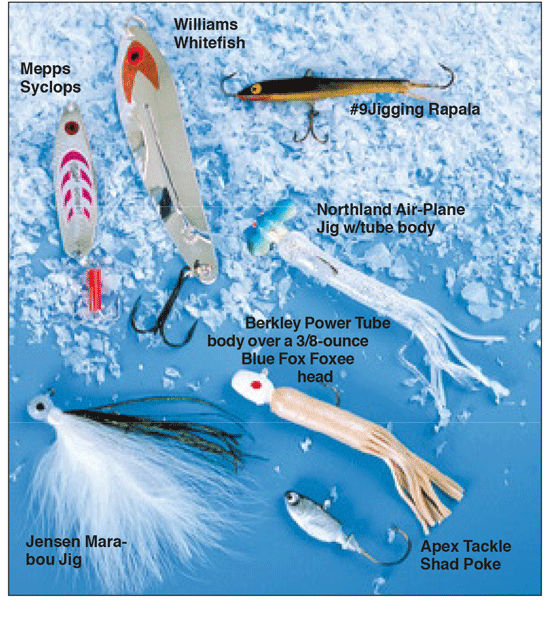
Use a quality sonar to locate lake trout and fish with white tube jigs or spoons. Focus on deep water near drop-offs.
Ice fishing for lake trout can be incredibly rewarding with the right techniques. This cold-weather activity requires a blend of patience, skill, and proper equipment. Lake trout are often found in deep waters, especially near underwater structures like drop-offs and ledges.
Using sonar technology helps in pinpointing their exact location under the ice. White tube jigs and spoons are highly effective lures for attracting lake trout. These fish are known for their aggressive bites, making them a thrilling catch for ice anglers. Dressing warmly and ensuring safety on the ice are also crucial aspects of a successful ice fishing trip.
Credit: www.in-fisherman.com
Preparing For Ice Fishing
Ice fishing for lake trout offers an exhilarating experience during winter. Proper preparation ensures a successful and safe outing. Below are essential tips and tricks to get ready for ice fishing. Follow this guide to make the most of your ice fishing adventure.
Gear Checklist
Having the right gear is crucial. Here’s a comprehensive gear checklist:
| Item | Description |
|---|---|
| Ice Auger | Used to drill holes in the ice. |
| Ice Fishing Rod | Short, sturdy rod designed for ice fishing. |
| Bait | Live bait or artificial lures. |
| Fish Finder | Helps locate fish under the ice. |
| Ice Shelter | Provides protection from wind and cold. |
| Warm Clothing | Thermal layers, gloves, and hats. |
| Ice Scoop | Clears ice from drilled holes. |
| Tackle Box | Holds hooks, lures, and other fishing gear. |
| Bucket | For sitting and storing caught fish. |
Safety Measures
Ensuring safety is paramount while ice fishing. Follow these safety measures:
- Check Ice Thickness: Ensure ice is at least 4 inches thick.
- Wear a Life Jacket: Provides buoyancy in case of ice breakage.
- Bring a Friend: Never go ice fishing alone.
- Carry Ice Picks: Useful for self-rescue if you fall through the ice.
- Have a First Aid Kit: Be prepared for minor injuries.
- Stay Hydrated: Bring water to avoid dehydration.
- Monitor Weather Conditions: Be aware of changing weather patterns.
Prepare thoroughly for a safe and enjoyable ice fishing trip. Following the right tips and tricks ensures a memorable experience.
Choosing The Right Location
Choosing the right location is crucial for a successful ice fishing trip. The correct spot ensures you catch more lake trout and have a memorable experience. Here are some tips to help you find the best locations for ice fishing lake trout.
Best Lakes
Not all lakes are ideal for ice fishing lake trout. Some lakes have higher trout populations, making them perfect for anglers.
| Lake Name | Location |
|---|---|
| Lake Superior | Michigan, USA |
| Great Slave Lake | Northwest Territories, Canada |
| Lake Simcoe | Ontario, Canada |
These lakes are famous for their large lake trout populations. They offer high chances of catching big fish. Research local lakes to find the best spots in your area.
Ideal Depths
Lake trout prefer specific water depths. Knowing the ideal depths increases your chances of a good catch.
- Early Season: 10 to 30 feet
- Mid-Season: 30 to 60 feet
- Late Season: 60 to 100 feet
Early in the season, lake trout stay near the surface. As the ice thickens, they move deeper. Use a sonar device to locate the correct depth. Adjust your fishing depth based on the season and water temperature.
Choosing the right location involves understanding the best lakes and ideal depths. This knowledge helps improve your ice fishing success. Happy fishing!
Understanding Lake Trout Behavior
Understanding lake trout behavior is key to successful ice fishing. Lake trout are fascinating creatures. They have specific patterns and habits. Knowing these can help you catch more fish.
Seasonal Patterns
Lake trout behavior changes with the seasons. During winter, they move to deeper waters. They prefer cold, oxygen-rich environments.
In early winter, lake trout are more active. They can be found near the surface. As winter progresses, they move deeper. They stay near the bottom to find food and stay warm.
| Season | Behavior |
|---|---|
| Early Winter | Active, near the surface |
| Mid to Late Winter | Deeper waters, near the bottom |
Feeding Habits
Lake trout are opportunistic feeders. They eat smaller fish, insects, and crustaceans. They are more active during dawn and dusk.
- Small fish like ciscoes and smelt are favorites.
- They also eat insects and crustaceans.
- Dawn and dusk are prime feeding times.
Using the right bait is crucial. Live bait works best. Minnows and smelt are great choices. Jigs and spoons can also be effective.
Selecting The Best Baits
Choosing the right bait is key to catching lake trout. The right bait can make the difference between a slow day and a day full of catches. Here, we will explore the best baits for ice fishing lake trout.
Live Baits
Live baits are often a favorite for catching lake trout. They mimic the trout’s natural diet and can attract fish more effectively. Below are some popular live baits:
- Shiners: Small fish that lake trout love.
- Suckers: Larger bait for bigger trout.
- Nightcrawlers: Worms that trout find irresistible.
| Live Bait | Best Use |
|---|---|
| Shiners | Small to medium trout |
| Suckers | Large trout |
| Nightcrawlers | All sizes of trout |
Artificial Lures
Artificial lures can be just as effective as live bait. They come in various shapes and colors to mimic the fish’s prey. Here are some popular artificial lures:
- Spoons: These lures flash and wobble, catching the trout’s eye.
- Jigs: Versatile and can be tipped with bait.
- Swimbaits: Mimic small fish and have a realistic swimming action.
| Artificial Lure | Best Use |
|---|---|
| Spoons | Attracting trout with flash |
| Jigs | Versatile, can be tipped with bait |
| Swimbaits | Realistic swimming action |
Using the right bait increases your chances of catching lake trout. Whether you choose live bait or artificial lures, make sure to experiment and find what works best for you.
Techniques For Drilling Holes
Drilling holes in the ice is crucial for a successful ice fishing trip. The right technique can save time and energy. Here, we cover the essentials of drilling holes with both manual and power augers.
Manual Augers
Manual augers are simple tools that require physical effort. They are lightweight and easy to carry. Follow these steps to use a manual auger effectively:
- Choose a sharp blade: A sharp blade cuts through ice faster.
- Position the auger: Place the auger at a 90-degree angle to the ice.
- Start drilling: Apply steady pressure and begin turning the handle clockwise.
- Maintain consistency: Keep turning until the auger breaks through the ice.
Manual augers are great for those who enjoy a bit of a workout. They are also quieter, which can be beneficial in areas where fish are easily spooked.
Power Augers
Power augers are efficient and require less physical effort. They come in gas, propane, or electric models. Here’s how to use a power auger:
- Check fuel levels: Ensure your gas or propane auger has enough fuel.
- Position the auger: Hold the auger at a 90-degree angle to the ice.
- Start the engine: Follow the manufacturer’s instructions to start the engine.
- Begin drilling: Apply gentle pressure and let the auger do the work.
- Maintain control: Keep a firm grip and guide the auger as it drills through the ice.
Power augers are ideal for drilling multiple holes quickly. They are perfect for larger lakes and colder climates where the ice is thicker.
Choosing between a manual and power auger depends on your needs. Manual augers are cost-effective and quiet. Power augers offer speed and ease. Both can help you drill effective holes for your ice fishing adventure.

Credit: m.youtube.com
Setting Up Your Fishing Line
Setting up your fishing line is crucial for a successful ice fishing trip. The right setup can make the difference between catching lake trout and going home empty-handed. Here are some tips and tricks to get your fishing line ready.
Line Strength
Line strength is vital when fishing for lake trout. These fish are strong fighters, and you need a line that can handle their power.
- Use a line with a strength of 8-12 lbs.
- Braided lines offer more strength and sensitivity.
- Fluorocarbon leaders reduce visibility underwater.
Hook Placement
Hook placement is essential to increase your chances of catching lake trout. Proper placement ensures the fish bites and stays hooked.
- Attach the hook to the end of the line securely.
- Place the hook just above the bait for better lure action.
- Use a treble hook for larger baits.
Tip: Check your hooks regularly for sharpness. Dull hooks reduce catch rates.
Effective Jigging Techniques
Ice fishing for lake trout can be a thrilling experience. Effective jigging techniques can make a big difference in your success. Here, we will explore some of the most effective jigging techniques. These include Vertical Jigging and Deadstick Jigging.
Vertical Jigging
Vertical jigging is a popular method for catching lake trout. It involves dropping your lure straight down and then moving it up and down. This technique mimics the movement of prey, attracting curious trout.
Here are some tips for effective vertical jigging:
- Use a heavy jig to reach deeper waters quickly.
- Vary your jigging speed to find what the trout prefer.
- Pause occasionally to let the jig flutter down naturally.
- Use a fish finder to locate schools of trout.
Deadstick Jigging
Deadstick jigging involves letting your lure sit still in the water. This technique is effective when trout are not actively chasing prey.
Follow these tips for successful deadstick jigging:
- Choose a light jig that can flutter naturally.
- Drop the jig to the desired depth and keep it still.
- Watch your line for any subtle movements.
- Combine deadstick jigging with active jigging for variety.
By mastering these techniques, you can increase your chances of catching lake trout. Happy fishing!
Credit: www.themeateater.com
Handling And Releasing Trout
Handling and releasing lake trout properly ensures their survival. Following the right techniques helps maintain a healthy fish population. Let’s explore some essential tips.
Proper Handling
To handle trout safely, use wet hands or gloves. This prevents damage to their protective slime layer. Avoid squeezing the fish tightly. Hold it gently but firmly.
- Use a fish-friendly net with rubber mesh.
- Support the fish’s belly while lifting.
- Avoid touching the gills and eyes.
Quickly remove the hook using needle-nose pliers. If the hook is deeply embedded, consider cutting the line. This reduces stress on the fish.
Catch And Release Tips
Minimize the time the trout spends out of the water. Have your tools ready before you start. Avoid taking photos if it takes too long.
- Hold the trout in water while preparing to release.
- Gently move it back and forth to help it breathe.
- Release the fish once it shows signs of strength.
Monitor the fish as it swims away. Ensure it doesn’t float or struggle. A strong swim indicates a successful release.
| Handling Tips | Release Tips |
|---|---|
| Wet hands or gloves | Minimize air exposure |
| Use a rubber mesh net | Hold in water to breathe |
| Avoid squeezing tightly | Release when strong |
Staying Comfortable On The Ice
Ice fishing for lake trout is an exciting adventure. Staying comfortable on the ice is crucial. Cold conditions can make or break your experience. Here are some tips to keep warm and cozy.
Warm Clothing
Wearing the right clothing is vital. Dress in layers to trap heat. Start with a moisture-wicking base layer. This keeps sweat away from your body. A thermal layer comes next for insulation. Finish with a waterproof and windproof outer layer. This protects you from wind and snow.
Don’t forget your extremities. Wear insulated gloves and waterproof boots. A warm hat is essential. It keeps heat from escaping your head. Hand warmers and foot warmers are great additions. They provide extra warmth in extreme cold.
Portable Shelters
A portable shelter is a game-changer. It provides a barrier against wind and cold. Many shelters are easy to set up and transport. Some popular types include pop-up tents and flip-over shelters.
Look for features like insulated walls and built-in floors. These add extra warmth. Ventilation is also important to prevent condensation. Make sure your shelter is anchored well. Strong winds can easily blow it away.
Inside your shelter, use a small heater. Heaters specifically designed for ice fishing are safe and effective. Always ensure proper ventilation when using a heater. Safety should always be your top priority.
Frequently Asked Questions
What Is The Best Bait For Lake Trout In The Ice?
Live bait like minnows or shiners works best for lake trout during ice fishing. Tube jigs and spoons also attract bites.
How To Ice Fish For Trout In A Lake?
Drill a hole in the ice. Use a small jig or live bait. Fish near structures or drop-offs. Keep movements minimal. Monitor your line closely.
What Is The Best Time Of Day To Ice Fish For Lake Trout?
The best time to ice fish for lake trout is early morning or late afternoon. These periods offer increased fish activity.
How To Fish For Lake Trout In The Winter?
Use a fish finder to locate lake trout. Drill holes in the ice. Use jigs and live bait. Adjust depth frequently. Stay patient.
Conclusion
Mastering ice fishing for lake trout requires practice and the right techniques. Follow these tips to increase your success. Remember, patience and preparation are key. Always stay safe on the ice and respect the environment. With dedication, you’ll enjoy a rewarding and exciting fishing experience.
Happy fishing!

I’m the owner of TroutMate and a passionate fishing enthusiast. I share hands-on guides, gear reviews, and practical tips for freshwater, saltwater, and kayak fishing. My mission is to help anglers of all levels catch more fish, explore new locations, and enjoy every trip on the water.