

To get started in bass fishing tournaments, research local events and join a bass fishing club. Invest in quality gear and practice regularly.
Bass fishing tournaments offer excitement and challenge for anglers of all skill levels. Begin by researching local and regional tournaments to find suitable events. Joining a bass fishing club can provide valuable networking opportunities and tips from experienced anglers. Invest in essential gear, including a reliable fishing rod, reel, and tackle.
Practice regularly to hone your skills and understand bass behavior. Understanding the rules and regulations of each tournament is crucial for success. Participate in smaller tournaments first to gain experience before tackling larger competitions. This methodical approach ensures a rewarding and enjoyable bass fishing tournament experience.
Choosing The Right Gear
Choosing the right gear is crucial for success in bass fishing tournaments. The right equipment can make a significant difference in your performance. Let’s explore the essentials you’ll need to get started.
Rod And Reel Selection
Your rod and reel are the backbone of your gear. Select a rod that suits your fishing style. A medium-heavy rod is versatile for various techniques.
| Type | Best For |
|---|---|
| Spinning Rod | Light lures and finesse techniques |
| Baitcasting Rod | Heavy lures and power techniques |
Pair your rod with a high-quality reel. A baitcasting reel offers more control and power. For beginners, a spinning reel is easier to handle.
Essential Tackle
Having the right tackle is essential for successful bass fishing. Focus on a few key items:
- Hooks: Choose a variety of sizes for different baits.
- Weights: Use them to sink your bait to the desired depth.
- Swivels: Prevent line twists and make changing baits easier.
Consider a mix of hard and soft baits. Crankbaits, jigs, and soft plastic worms are must-haves. Keep your tackle organized for quick access during the tournament.
Understanding Tournament Rules
Entering a bass fishing tournament can be exciting and rewarding. Before you start, you need to understand the rules. Knowing the rules helps you avoid penalties. It also ensures a fair game for everyone.
Entry Requirements
Each tournament has specific entry requirements. These can vary from one event to another. Common requirements include:
- Age Limit: Some tournaments have minimum age limits.
- Licenses: You need a valid fishing license.
- Registration Fees: Most tournaments require a fee to enter.
- Equipment: Specific gear might be mandated.
Check each tournament’s website for exact details. Missing out on any requirement can disqualify you.
Scoring System
The scoring system in bass fishing tournaments is crucial to understand. Points are usually awarded based on the weight of the fish caught. Here is a basic outline:
| Criteria | Points |
|---|---|
| Total Weight | Most points are given for heaviest total catch. |
| Biggest Fish | Extra points for the largest single fish. |
| Number of Fish | Some tournaments may count the number of fish. |
Each tournament may have its unique scoring system. Always read the rulebook carefully before participating.
Finding Local Tournaments
Starting in bass fishing tournaments can be exciting. Finding local tournaments is the first step. This guide will help you find tournaments near you.
Online Resources
Online resources are great for finding local tournaments. Websites like Bassmaster and Fishing League Worldwide list many events.
Check social media platforms too. Facebook and Instagram have many fishing groups. Join these groups and stay updated on local events.
Another good resource is fishing forums. Websites like Ultimate Bass provide tournament information. Engage with the community and ask for recommendations.
| Website | Description |
|---|---|
| Bassmaster | Lists major and local bass fishing tournaments. |
| Fishing League Worldwide | Provides a schedule of upcoming fishing tournaments. |
| Ultimate Bass | Community forum with tournament listings and tips. |
Local Fishing Clubs
Local fishing clubs are excellent for finding tournaments. Clubs often host or sponsor local events. Joining a club can provide valuable information.
Visit your local bait and tackle shop. They usually have information about clubs and upcoming events. You can also ask for club recommendations from shop staff.
- Network: Connect with club members for tips and advice.
- Participation: Attend club meetings and events.
- Volunteering: Offer to help in tournaments. Gain insider knowledge.
Local clubs often post events on community boards. Check bulletin boards in community centers and parks.
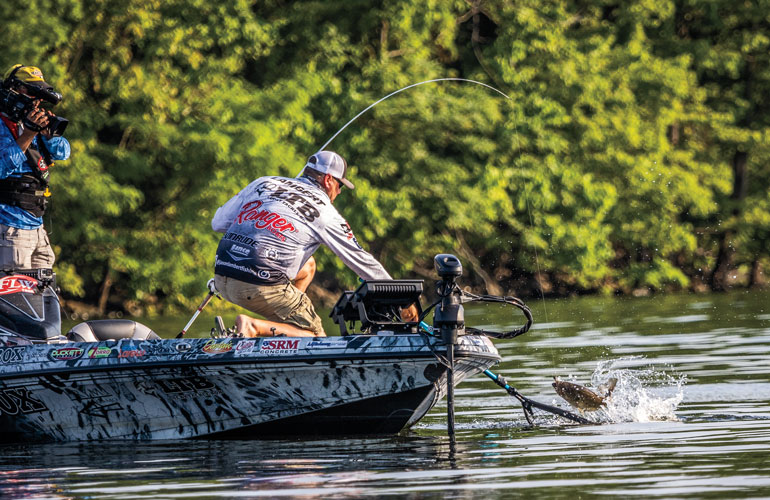
Credit: www.in-fisherman.com
Pre-tournament Preparation
Preparing for a bass fishing tournament requires attention to detail and dedication. Pre-tournament preparation can set you apart from other competitors. This section will guide you through essential steps to ensure you’re ready to compete.
Pre-fishing Practice
Pre-fishing practice allows you to understand the water body better. Spend a few days on the water before the tournament. Scout potential fishing spots and identify where the fish are biting. Use different lures and techniques to see what works best.
Keep a journal of your findings. Note the time of day, weather conditions, and lure used. This will help you formulate a solid game plan for the tournament day.
Gear Maintenance
Gear maintenance is crucial for a successful tournament. Ensure all your equipment is in top condition. This includes your rods, reels, and tackle.
Check your fishing line for any wear and tear. Replace it if necessary. Clean and lubricate your reels to ensure smooth operation. Organize your tackle box so you can quickly find what you need.
Here’s a quick checklist for gear maintenance:
- Inspect and replace worn fishing lines
- Clean and lubricate reels
- Organize tackle box
- Check rod guides for damage
- Ensure all electronics are functioning
Proper gear maintenance can prevent unexpected problems on the water. It increases your chances of a successful tournament.
Developing A Strategy
Getting started in bass fishing tournaments requires a solid strategy. A well-thought-out plan can make a significant difference. This blog section will guide you on developing an effective strategy. It covers Reading the Water and Lure Selection.
Reading The Water
Understanding water conditions is crucial for successful bass fishing. This skill can set you apart from other anglers.
- Look for cover: Bass love hiding in structures like rocks and weeds.
- Pay attention to water clarity: Clear water may require different lures than murky water.
- Observe water temperature: Bass behavior changes with temperature shifts.
Use a fish finder for deeper insights. Reading the water helps you decide where to cast your line. It increases your chances of a catch.
Lure Selection
Choosing the right lure is essential. The right lure can attract more bass.
| Lure Type | Best Use |
|---|---|
| Crankbaits | Effective in deep waters |
| Spinnerbaits | Ideal for murky waters |
| Soft Plastics | Great for shallow waters |
Match the lure to the water conditions. This improves your chances of catching bass. Experiment with different lures to see what works best.
Developing a strategy involves both reading the water and lure selection. Master these skills to excel in bass fishing tournaments.
Day Of The Tournament
The day of the tournament is exciting and a bit nerve-wracking. With the right preparation, you can set yourself up for success. Two key factors to focus on are early arrival and managing stress.
Early Arrival
Arrive early to secure a good spot. This gives you time to set up your gear. You’ll also have a chance to review your strategy. Here are some benefits of early arrival:
- Less competition for prime spots
- Time to double-check your equipment
- A chance to relax and focus before the start
Early arrival helps you feel more in control. It also reduces last-minute stress.
Managing Stress
Stress can affect your performance. To manage stress, try these tips:
- Take deep breaths to calm your nerves
- Focus on your technique and skills
- Remember why you enjoy fishing
Staying calm helps you make better decisions. It also makes the experience more enjoyable. Consider a small table of stress management techniques:
| Technique | Benefit |
|---|---|
| Deep Breathing | Calms your mind |
| Positive Visualization | Boosts confidence |
| Light Exercise | Releases tension |
Managing stress ensures you enjoy the tournament. It also improves your chances of success.
Weigh-in Process
The weigh-in process is a crucial part of bass fishing tournaments. This step determines your success and ranks your performance. Understanding each aspect of the weigh-in ensures a smooth experience.
Handling The Catch
Properly handling your catch is essential to keep the fish alive and healthy. This helps in the final weighing and release back into the water.
- Use a live well on your boat to store fish.
- Maintain adequate oxygen levels in the live well.
- Handle fish with wet hands to protect their slime coating.
- Avoid excessive handling and keep the fish in water as much as possible.
Submitting Your Fish
Submitting your fish correctly is crucial during the weigh-in process. Follow these steps to ensure accurate weighing:
- Approach the weigh-in station with your catch.
- Present your fish in a weigh-in bag filled with water.
- Wait for the official to record the weight of each fish.
- Ensure the fish are released back into the water safely.
Remember, the weigh-in process is about more than just winning. It’s about respecting the sport and preserving the fish for future tournaments.
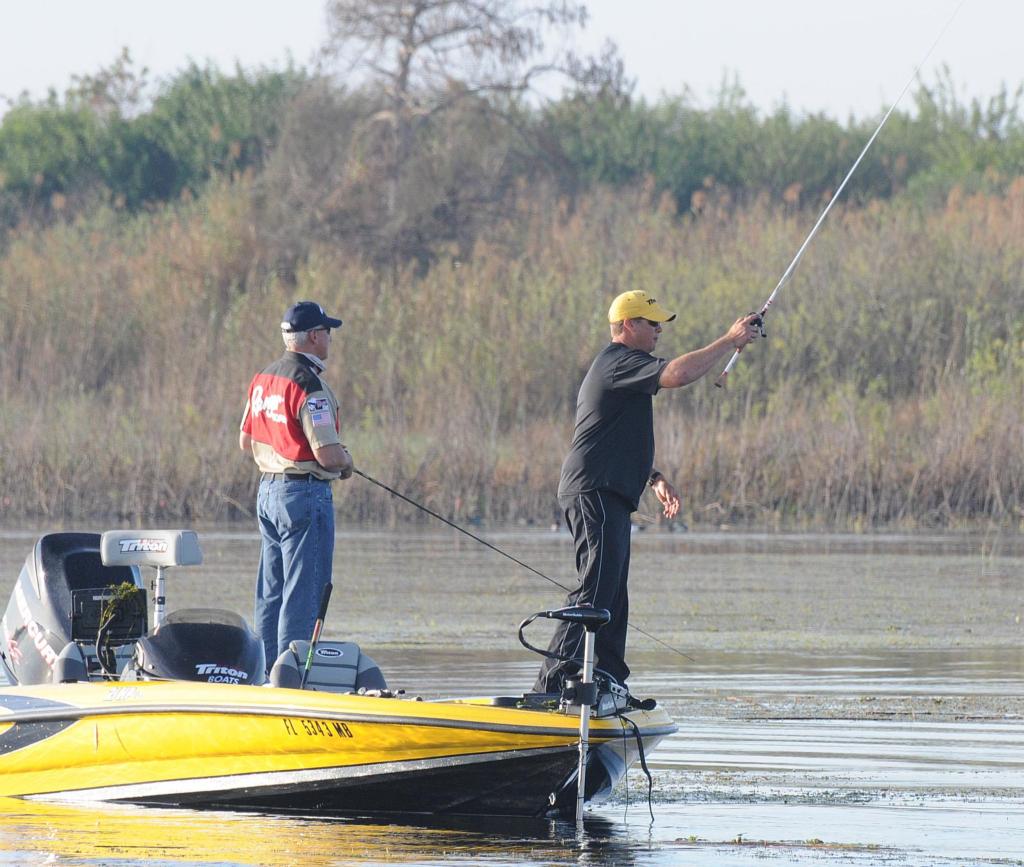
Credit: majorleaguefishing.com
Post-tournament Analysis
Analyzing your performance after a bass fishing tournament is crucial. It helps you understand what worked and what didn’t. This process will improve your skills for future tournaments. Let’s dive into some effective strategies for post-tournament analysis.
Reviewing Performance
Start by reviewing your performance. Look at your catch rate and the quality of the fish caught. Note the times and locations where you had the most success. Examine your bait and lure choices. Did they attract the right kind of fish?
Use a table to track your performance:
| Time | Location | Catch Rate | Fish Quality | Bait/Lure Used |
|---|---|---|---|---|
| Early Morning | North Shore | High | Good | Spinnerbait |
| Late Afternoon | South Cove | Low | Poor | Crankbait |
Evaluate your gear and equipment. Did your rod, reel, and line perform well? Make notes on any equipment that needs improvement.
Learning From Others
Observe other anglers. You can learn a lot from their techniques. Pay attention to their bait choices and fishing spots. Watch how they handle their catches. Ask for tips and advice. Most experienced anglers are willing to share their knowledge.
Join online forums and local fishing clubs. Engage with the community. Share your experiences and learn from others. Participate in discussions about strategies and techniques. This can give you new insights and ideas.
Consider keeping a fishing journal. Document what you learn from others. Over time, this journal becomes a valuable resource.
Post-tournament analysis is essential for growth in bass fishing tournaments. By reviewing your performance and learning from others, you can continuously improve and increase your chances of success.
FAQs:
How To Get Into Local Fishing Tournaments?
Find local fishing tournaments through online searches or community boards. Register early to secure a spot. Ensure compliance with rules and regulations. Join local fishing clubs for networking and information. Stay updated on event schedules.
How Much Does It Cost To Enter A Pro Bass Tournament?
Entry fees for pro bass tournaments typically range from $1,000 to $5,000. Costs vary by event and organization.
How To Get Better At Bass Tournaments?
Practice regularly and study successful anglers’ techniques. Use quality gear and stay updated on local fish patterns. Join local clubs and participate in smaller tournaments. Focus on improving casting accuracy and lure selection. Maintain physical fitness and mental focus.
How Does A Bass Fishing Tournament Work?
Anglers compete to catch the heaviest total weight of bass. Fish are weighed and released. Highest weight wins.
Conclusion
Starting your journey in bass fishing tournaments can be thrilling. Equip yourself with the right gear and knowledge. Practice regularly to improve your skills. Join local clubs to network and learn from others. With dedication and persistence, you’ll soon find success in the competitive world of bass fishing.
Happy fishing!

I’m the owner of TroutMate and a passionate fishing enthusiast. I share hands-on guides, gear reviews, and practical tips for freshwater, saltwater, and kayak fishing. My mission is to help anglers of all levels catch more fish, explore new locations, and enjoy every trip on the water.

