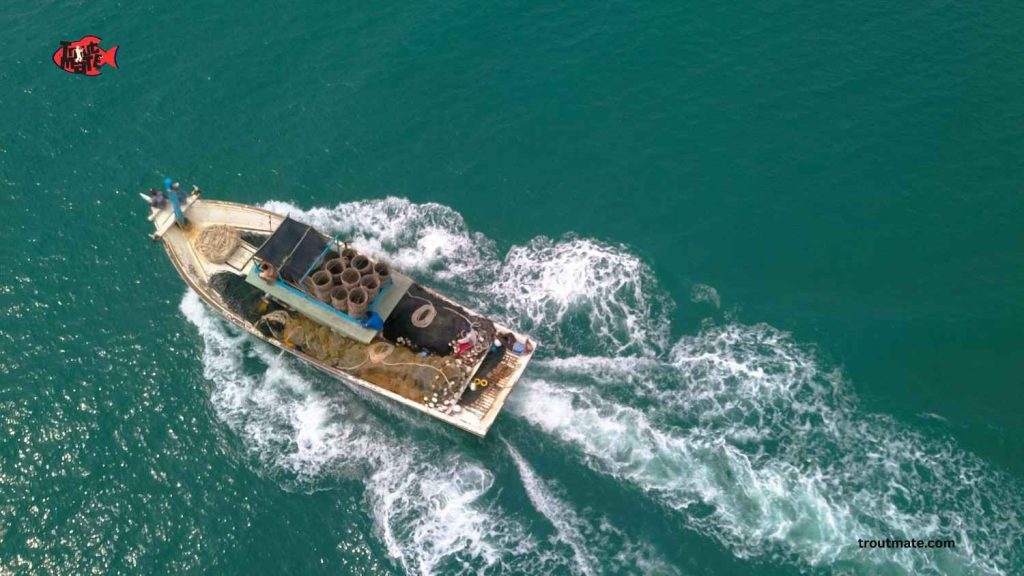
A saltwater fishing boat can cost anywhere from $30,000 to $500,000. Prices vary based on size, features, and brand.
Saltwater fishing boats offer a thrilling way to explore and fish in open waters. These boats are specifically designed to handle the challenging conditions of saltwater environments. Different sizes and features cater to various needs, from casual fishing trips to serious sport fishing adventures.
Popular brands often include specialized equipment like rod holders, bait wells, and advanced navigation systems. Investing in a saltwater fishing boat can enhance your fishing experience, providing comfort and efficiency. Whether you are a seasoned angler or a beginner, finding the right boat requires considering your specific needs and budget.
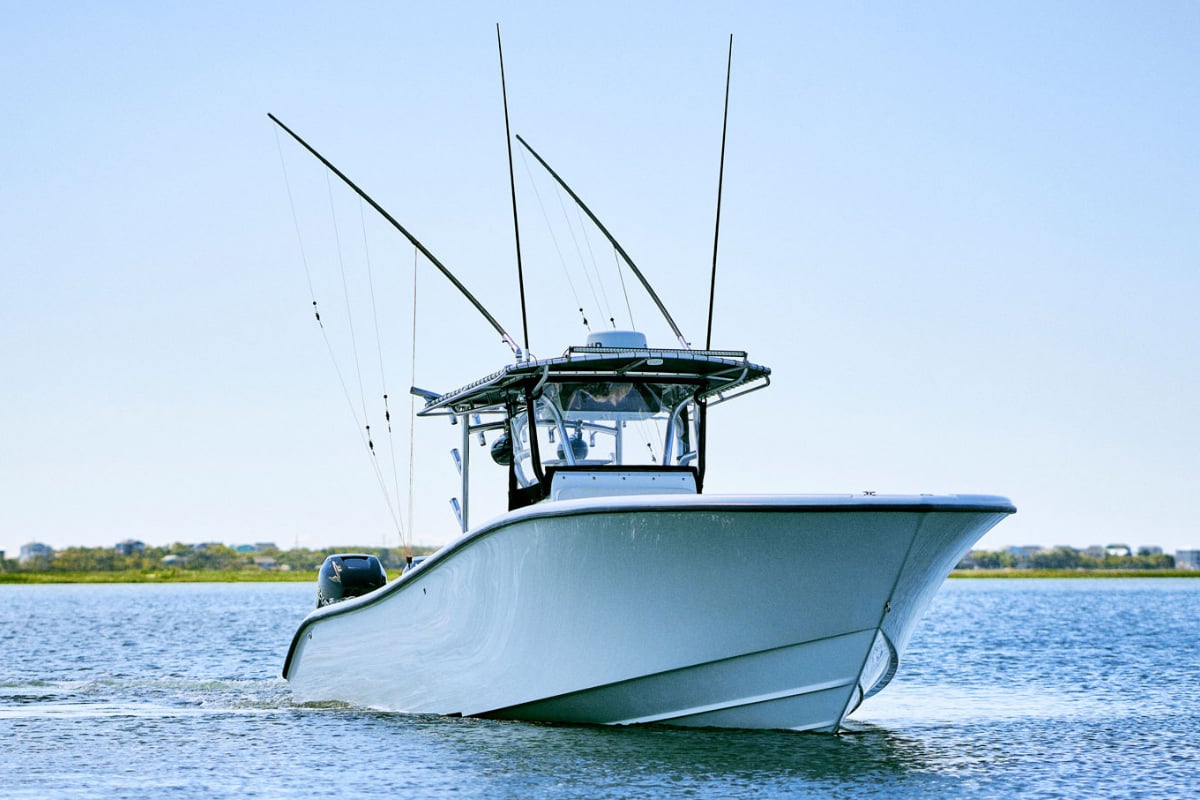
Credit: yachts360.com
Introduction To Saltwater Fishing Boats
Saltwater fishing boats are essential for sea anglers. They are designed to handle harsh conditions and provide a stable platform for fishing. Understanding their costs is crucial for planning your investment.
Types Of Saltwater Fishing Boats
Different types of saltwater fishing boats serve various needs. Here are some common types:
- Center Console: Ideal for open waters, offering 360-degree fishing access.
- Walkaround: Combines cabin comfort with accessible fishing areas.
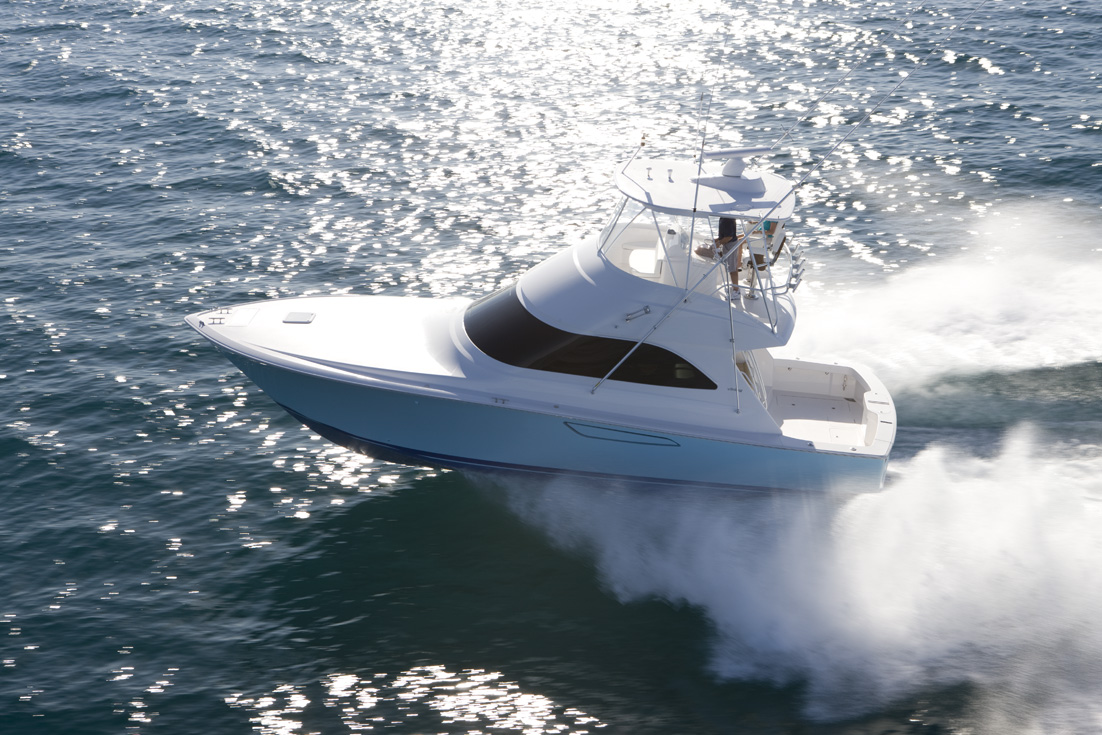
- Convertible: Features luxurious cabins, suitable for deep-sea fishing.
- Bay Boats: Perfect for shallow waters and inshore fishing.
- Flats Boats: Designed for extremely shallow waters, great for flats fishing.
Importance Of Choosing The Right Boat
Choosing the right boat is vital for a successful fishing experience. Consider these factors:
- Fishing Environment: Match your boat to the type of water.
- Storage and Space: Ensure enough room for gear and passengers.
- Durability: Look for boats built with high-quality materials.
- Budget: Balance your needs with your financial capacity.
| Boat Type | Average Cost Range |
|---|---|
| Center Console | $30,000 – $200,000 |
| Walkaround | $50,000 – $250,000 |
| Convertible | $100,000 – $500,000+ |
| Bay Boats | $20,000 – $80,000 |
| Flats Boats | $15,000 – $60,000 |
Credit: www.boats.com
Factors Influencing Cost
When purchasing a saltwater fishing boat, several factors influence the overall cost. Understanding these factors can help you make an informed decision and find the best deal.
Size And Length
The size and length of a saltwater fishing boat significantly impact its price. Larger boats offer more space and amenities, but they come with a higher price tag. Below is a table illustrating the cost variations based on size:
| Boat Size | Approximate Cost |
|---|---|
| Under 20 feet | $10,000 – $30,000 |
| 20 to 30 feet | $30,000 – $100,000 |
| Over 30 feet | $100,000+ |
Brand And Manufacturer
The brand and manufacturer of the boat also play a crucial role in determining the cost. Renowned brands often offer higher quality and better features, which can increase the price. Here are some popular brands and their price ranges:
- Boston Whaler: $40,000 – $150,000
- Grady-White: $50,000 – $200,000
- Sea Ray: $30,000 – $120,000
New Vs. Used
Choosing between a new or used saltwater fishing boat can also affect the cost. New boats come with the latest features and warranties but are more expensive. Used boats can be more affordable but may require more maintenance. Here are some key points to consider:
- New Boats: Higher initial cost, latest technology, manufacturer warranty.
- Used Boats: Lower initial cost, possible wear and tear, no warranty.
Weighing these factors can help you decide the best option for your needs and budget.
Material And Build Quality
The material and build quality of a saltwater fishing boat can significantly impact its cost. Choosing between fiberglass and aluminum and understanding the hull design are crucial. This guide helps you navigate these choices effectively.
Fibreglass vs. Aluminum
Fibreglass boats are generally more expensive but offer a smoother ride. They are known for their aesthetic appeal and durability. Aluminum boats, on the other hand, are lighter and often more affordable. They are easier to maintain and typically more fuel-efficient.
| Material | Advantages | Disadvantages |
|---|---|---|
| Fiberglass |
|
|
| Aluminum |
|
|
Hull Design And Durability
The hull design determines how the boat handles waves and water conditions. V-shaped hulls are excellent for rough waters, providing stability and a smoother ride. Flat-bottom hulls are more stable in calm waters and are ideal for fishing in shallow areas. The durability of the hull is essential, especially for saltwater conditions. Saltwater can be harsh on materials, so a well-built hull can extend the boat’s lifespan.
- V-shaped hull: Suitable for rough waters.
- Flat-bottom hull: Ideal for calm waters and shallow fishing.
- Durability: Extends boat lifespan, crucial in saltwater.
Credit: www.boattrader.com
Engine And Performance
Choosing the right engine is crucial for your saltwater fishing boat. The engine affects performance, fuel efficiency, and overall cost. Let’s dive into the different engine types and their impact on cost.
Outboard Vs. Inboard Engines
Outboard engines are common in smaller fishing boats. They are easy to maintain and replace. Outboard engines are mounted on the boat’s transom. They offer high speed and manoeuvrability.
Inboard engines are located inside the boat’s hull. They are often used in larger, heavier boats. Inboard engines provide better fuel efficiency and a smoother ride. Inboard engines are more complex and costlier to maintain.
Here is a comparison table for Outboard vs. Inboard Engines:
| Feature | Outboard Engine | Inboard Engine |
|---|---|---|
| Location | Outside | Inside |
| Maintenance | Easy | Complex |
| Cost | Lower | Higher |
| Speed | High | Moderate |
Fuel Efficiency And Range
Fuel efficiency is a key factor in operating costs. Outboard engines generally consume more fuel. They offer high speed but shorter range. Inboard engines are more fuel-efficient. They provide a longer range, ideal for extended trips.
Consider these points for fuel efficiency and range:
- Outboard engines are better for short, fast trips.
- Inboard engines suit longer, more relaxed journeys.
- Diesel inboard engines are more fuel-efficient than gasoline ones.
- Regular maintenance improves fuel efficiency for both types.
Understanding your fishing habits helps in choosing the right engine. Ensure you balance between cost, performance, and efficiency.
Features And Accessories
Saltwater fishing boats come with many features and accessories. These additions make your fishing trips easier and more enjoyable. Let’s explore some key features.
Fishing Gear And Storage
Fishing gear and storage are crucial for any fishing boat. Rod holders and live wells are essential. They keep your equipment organized. Storage spaces help keep your boat clutter-free.
- Rod Holders: Secure your fishing rods.
- Live Wells: Keep your bait and catch alive.
- Tackle Storage: Organize your tackle and gear.
Some boats offer under-seat storage. Others have built-in tackle boxes. Choose a boat with ample storage for all your gear.
Navigation And Electronics
Navigation and electronics are vital for safety. GPS systems and fish finders are common. They help you locate fish and navigate waters. Modern boats come with advanced electronics.
Here are some popular electronic features:
- GPS Systems: Provides accurate location data.
- Fish Finders: Helps you find fish underwater.
- VHF Radios: Essential for communication.
High-end boats may include radar systems. They offer better safety and navigation. Invest in good electronics for a successful fishing trip.
Maintenance And Upkeep Costs
Owning a saltwater fishing boat is a rewarding experience. But it comes with ongoing maintenance and upkeep costs. Maintaining your boat ensures its longevity and safety. Let’s dive into the key maintenance aspects.
Routine Maintenance
Regular care is essential to keep your boat in top condition. Routine maintenance includes:
- Cleaning the hull and deck
- Flushing the engine after each use
- Inspecting and replacing the anodes
- Checking the electrical system
- Servicing the engine as per the manufacturer’s guidelines
Neglecting these tasks can lead to costly repairs and decreased boat life. A good maintenance schedule helps avoid unexpected issues.
Repair And Replacement Costs
Repair and replacement costs can vary based on boat size and usage. Here are common repairs and their estimated costs:
| Repair Type | Estimated Cost |
|---|---|
| Engine Repair | $200 – $4,000 |
| Hull Repair | $500 – $10,000 |
| Electrical System Repair | $100 – $2,500 |
| Propeller Replacement | $150 – $600 |
Regular inspections help identify problems early. This can save you significant repair costs. Replace worn-out parts promptly to ensure safety and performance.
Buying Tips
Buying a saltwater fishing boat is an exciting journey. However, it requires careful planning and consideration to ensure a wise investment. This section will guide you through essential buying tips to make an informed decision.
Budget Planning
Start by setting a clear budget. Understand what you can afford, including additional costs beyond the sticker price.
- Initial Cost: The price of the boat can range from $30,000 to $150,000 or more.
- Maintenance Costs: Regular upkeep is necessary and can cost between $1,000 and $3,000 annually.
- Insurance: Expect to pay around $300 to $1,000 per year for insurance.
- Storage: If you don’t have space at home, marina fees can add $1,500 to $4,500 yearly.
- Fuel: Fuel costs can vary, but are typically about $50 to $100 per trip.
Having a detailed budget helps avoid unexpected financial surprises.
Inspection And Sea Trials
Always conduct a thorough inspection and sea trial before purchasing a boat.
- Exterior Check: Look for cracks, blisters, or other damage on the hull.
- Interior Examination: Check the condition of the seats, flooring, and storage areas.
- Engine Inspection: Ensure the engine starts smoothly and runs without unusual noises.
- Electronics: Verify that all electronic devices, such as GPS and fish finders, are functional.
After the inspection, take the boat for a sea trial.
- Performance: Test how the boat handles at different speeds.
- Comfort: Ensure the ride is comfortable and stable.
- Functionality: Check all systems, like steering and brakes, for proper operation.
Inspections and sea trials are crucial to avoid costly mistakes.
Financing And Insurance
Buying a saltwater fishing boat is a big investment. You need to consider financing and insurance. Understanding your loan options and insurance coverage helps you make smart decisions. Here’s what you need to know.
Loan Options
You have several loan options for buying a boat. Each option offers different benefits:
| Loan Type | Features |
|---|---|
| Personal Loans | Quick approval, no collateral, higher interest rates |
| Boat Loans | Longer terms, lower interest rates, collateral required |
| Home Equity Loans | Low interest rates, uses home as collateral |
Personal loans are easy to get but have high interest rates. Boat loans have better terms but require the boat as collateral. Home equity loans offer the lowest rates but put your home at risk.
Insurance Coverage
Insurance coverage for saltwater fishing boats is essential. Here’s what it typically includes:
- Liability Coverage
- Physical Damage Coverage
- Uninsured Boater Coverage
- Personal Effects Coverage
Liability coverage protects you if you’re at fault in an accident. Physical damage coverage pays for repairs or replacement if your boat is damaged. Uninsured boater coverage covers you if the other boater lacks insurance. Personal effects coverage protects your personal items on the boat. Choosing the right insurance policy ensures you are covered in any situation. Always read the policy details carefully and understand your coverage limits.
FAQs:
How Much Does The Average Ocean Boat Cost?
The average ocean boat costs between $50,000 and $500,000. Prices vary based on size, brand, and features.
How Much Should I Spend On A Fishing Boat?
Budget between $10,000 to $100,000 for a fishing boat. Costs vary based on size, features, and brand. Consider maintenance and storage costs too.
What Type Of Boat Is Best for Saltwater?
Center console boats, cabin cruisers, and sportfishing boats are best for saltwater. They offer durability and stability. Choose a boat with corrosion-resistant materials for longevity.
What Size Boat For Saltwater Fishing?
A 20-30 foot boat is ideal for saltwater fishing. It offers stability, space, and safety for offshore trips.
Final Verdict
Understanding the costs of saltwater fishing boats helps you make informed decisions. Prices vary based on size, brand, and features. Consider your budget and needs carefully. Investing in the right boat ensures a better fishing experience. Research thoroughly and choose wisely for years of enjoyment on the water.

I’m the owner of TroutMate and a passionate fishing enthusiast. I share hands-on guides, gear reviews, and practical tips for freshwater, saltwater, and kayak fishing. My mission is to help anglers of all levels catch more fish, explore new locations, and enjoy every trip on the water.